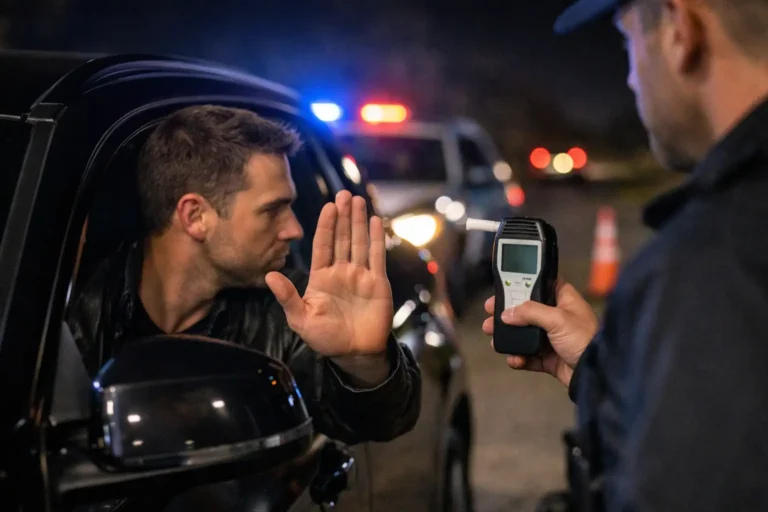

How to Fight a DUI Charge in SC
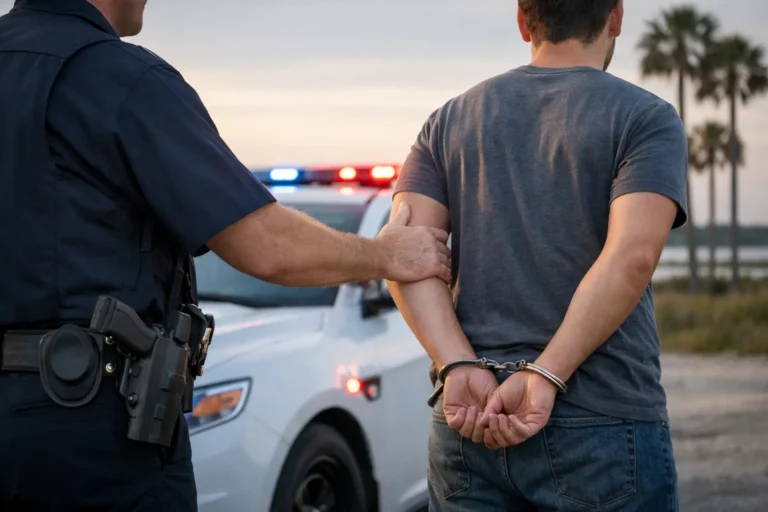
A DUI arrest can start wrecking your life before you ever step into court. Your license, your job, your insurance, and your reputation can all feel at risk at once. If you are trying to understand how to fight a DUI charge in SC, the first thing to know is this: the case is not over because you were arrested, and early action matters.
South Carolina DUI cases are often more defensible than people realize. But they are also time-sensitive. What you do in the first days after an arrest can affect your driver’s license, the evidence available to your lawyer, and the pressure the prosecution can bring later.
How to fight a DUI charge in SC starts with speed
A strong defense usually begins long before trial. It starts with getting control of the facts, preserving evidence, and making sure you do not accidentally hurt your own case.
That means taking the charge seriously from day one. Do not assume a first offense will automatically be reduced. Do not assume the officer got everything right. And do not assume the breath test result, if there is one, settles the case. DUI cases turn on details – the stop, the investigation, the video, the testing procedures, the officer’s training, and what can or cannot actually be proven beyond a reasonable doubt.
Just as important, South Carolina DUI charges often come with license consequences that move on a separate track from the criminal case. You may have to act quickly to protect your driving privileges. Waiting too long can cost you options.
What the state has to prove
To convict you of DUI in South Carolina, the prosecution has to prove more than suspicion. The state generally must show that you were driving a motor vehicle and were materially and appreciably impaired by alcohol, drugs, or a combination of substances.
That sounds simple until you look closely at the evidence. Many cases depend on an officer’s observations such as odor of alcohol, alleged bad driving, slurred speech, bloodshot eyes, or performance on field sobriety tests. Those things are not always as clear as the arrest report makes them sound. Fatigue, stress, allergies, medical conditions, anxiety, roadside lighting, and uneven pavement can all affect what an officer sees and how a person performs.
If there was a breath test, the state may also rely heavily on that number. But breath testing is not immune from challenge. Machine maintenance, operator compliance, observation periods, mouth alcohol issues, timing, and procedural mistakes can all matter.
The most common defense angles in a South Carolina DUI case
There is no one-size-fits-all DUI defense. The right strategy depends on the facts, the court, the officer, the testing, and your prior record if any. Still, a few issues come up again and again.
Was the traffic stop legal?
If the officer lacked a valid legal reason to stop your vehicle, that can affect whether key evidence should be suppressed. An officer needs reasonable suspicion for the stop. If the alleged lane violation, speeding claim, or equipment issue is weak or contradicted by video, that may become a central issue.
Did the officer have enough to arrest you?
Even if the stop itself was legal, the officer still needs sufficient grounds to escalate the encounter and make an arrest. Sometimes the report sounds stronger than the video. Sometimes the signs of impairment are far less convincing when reviewed closely.
Were field sobriety tests reliable?
Field sobriety tests are not simple pass-fail exams. They are coordination and divided-attention exercises administered under specific conditions. Poor instructions, physical limitations, bad footwear, roadside conditions, weather, nerves, age, and injuries can all affect the result. These tests often look far more subjective than jurors expect once they are explained properly.
Was the breath or blood evidence handled correctly?
In some cases, chemical test evidence is the main battleground. A lawyer may examine whether the machine was properly maintained, whether the required procedures were followed, whether the sample was obtained lawfully, and whether there are records that undermine the reliability of the result.
Is the video consistent with the report?
Dashcam and bodycam footage can make or break a DUI case. Officers sometimes describe strong impairment in writing, but the video shows a driver who is steady, responsive, and coherent. Video can also reveal whether instructions were confusing, whether the stop was justified, and whether the arrest was rushed.
What you should do immediately after a DUI arrest
If you want the best chance to fight the case, the first steps matter.
Start by saying as little as possible about the incident. Do not discuss your case on social media. Do not text friends about how much you drank. Do not try to explain the stop away in ways that can later be used against you.
Write down everything you remember while it is fresh. Note where you were, what you consumed, what time you drove, what the officer said, whether there were passengers, what tests were given, and whether cameras were present. Small facts that seem unimportant to you can become important later.
Then get a defense lawyer involved quickly. Early representation is not just about showing up in court. It is about preserving evidence before it disappears, evaluating license issues, reviewing video, identifying defenses, and building a strategy before the prosecution settles into its version of events.
How to fight a DUI charge in SC without making it worse
People often hurt their own cases by trying to handle the problem informally. They miss deadlines, plead too early, or treat the charge like a routine traffic ticket. A DUI is not a speeding ticket. It is a criminal charge with consequences that can follow you into employment decisions, professional licensing issues, insurance costs, and future background checks.
Trying to be cooperative does not mean giving up defenses. Being respectful in court is smart. Pleading guilty before the evidence is examined is not. There may be weaknesses in the state’s case that are not obvious until your lawyer gets the reports, video, maintenance records, and testing information.
There is also a practical side to defense strategy. In some cases, the best outcome is dismissal or acquittal. In others, the evidence may point toward negotiating for a reduced charge or minimizing penalties. Good defense work is not about making empty promises. It is about knowing where the pressure points are and using them effectively.
Your license matters as much as the court date
For many people in South Carolina, the immediate crisis is driving. If you cannot drive, getting to work, taking care of your children, and keeping daily life together becomes much harder.
That is why DUI defense is not only about the criminal file. It is also about understanding the administrative side of the case and acting quickly when a suspension is triggered. The deadlines can be short, and the right response depends on the specific facts of the arrest and whether a breath test was refused or obtained.
A serious defense lawyer will look at both tracks at once – the courtroom risk and the license risk – because your life does not pause while the case moves through the system.
Why local courtroom knowledge can change the strategy
DUI cases are defended in real courtrooms with real judges, prosecutors, and procedures. That matters. The same fact pattern may play differently depending on the jurisdiction, the officer involved, the quality of the video, and how a particular court handles evidentiary issues.
That is one reason local defense experience has value. A lawyer who regularly handles South Carolina criminal cases can often spot issues faster, anticipate prosecution arguments, and make better decisions about whether to challenge, negotiate, or set a case for trial. Former prosecutor insight can also help because it brings a clear understanding of how the state evaluates risk and where the weak points may be.
For clients in York County and surrounding communities, this is not abstract. It can affect how fast records are requested, what motions are worth filing, and how to protect both the case and the client’s day-to-day life while the charge is pending.
A DUI charge is serious, but it is not the end of the story
Being charged does not mean the state can prove the case. It means the state has made an accusation. The job of the defense is to test every part of that accusation, challenge weak evidence, protect your rights, and push for the best possible outcome based on the actual facts.
At Carolina Criminal Defense, that work starts early and stays focused. A good DUI defense should protect more than a case number. It should protect your license, your record, your work, your family stability, and your future.
If you are facing a DUI in South Carolina, do not let panic make your decisions for you. Slow the situation down, get a clear strategy, and make the state prove what it claims.