
Weapons Charge Lawyer in South Carolina
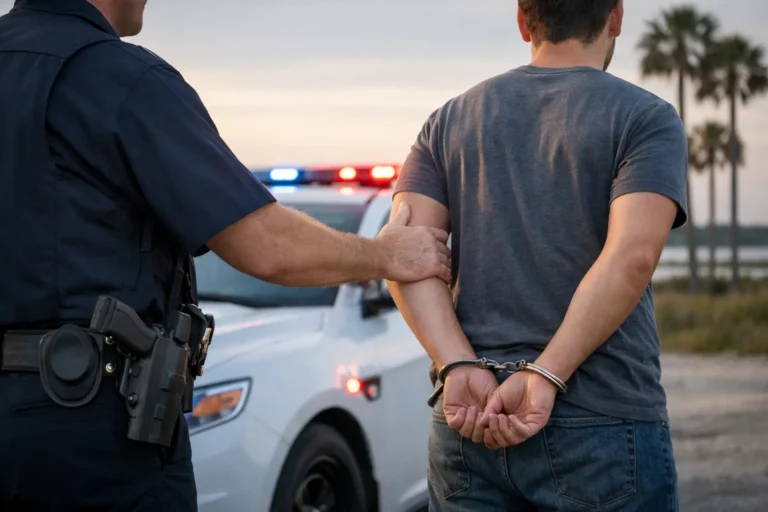
When a weapons arrest happens, the problem usually gets bigger before you have time to think. A traffic stop turns into a vehicle search. A heated argument leads to an accusation that a gun was displayed. A prior conviction suddenly matters in a way it never did before. If you are looking for a weapons charge lawyer in South Carolina, you are probably already dealing with bond questions, court dates, and real concern about your job, your record, and your rights.
Weapons cases move fast, but they are rarely simple. The charge may sound straightforward on paper, yet the facts behind it often are not. Where the weapon was found, who had access to it, whether law enforcement had a lawful reason to search, and whether another alleged offense is tied to the weapon can all change the defense strategy.
What Counts as a Weapons Charge in South Carolina?
South Carolina weapons cases can involve several different statutes, and the exact charge matters. Some cases involve allegations of unlawful carrying of a handgun. Others involve possession of a firearm during the commission of a violent crime, possession by a person legally barred from having a pistol, weapons on school property, pointing or presenting a firearm, or a weapons allegation connected to another criminal charge.
That distinction matters because the defense strategy depends on the statute, the location, the person’s history, the type of weapon, and how law enforcement found it. A case involving a gun found in a car during a disputed traffic stop is different from a case involving an allegation that a firearm was displayed during an argument.
South Carolina Permitless Carry Does Not Mean Every Weapons Charge Goes Away
South Carolina changed its gun laws in 2024, and many adults who may lawfully possess a handgun can now carry openly or concealed without a concealed weapons permit. But unlawful carrying of a handgun can still be charged in certain circumstances.
There are still restrictions on who may possess a firearm, where firearms may be carried, and how a firearm may be used or displayed. A person may still face charges if the firearm is connected to another alleged offense, carried in a prohibited place, possessed by someone legally disqualified, or discovered through facts that support a different weapons statute.
That is why the first question is not simply, “Can people carry guns in South Carolina?” The better question is: what exact statute are you charged under, and what facts does the State claim make your conduct unlawful?
Why weapons charges in South Carolina demand early attention
A weapons accusation is not just about possessing a firearm or another weapon. In many cases, the State is trying to prove context and intent. Prosecutors may argue that the weapon was unlawfully carried, used during another offense, possessed by a prohibited person, or handled in a way that created a public safety issue. That means the case can expand quickly.
For some people, the most immediate concern is jail exposure. For others, it is the impact on a concealed weapons permit, a professional license, family-court issues, immigration status, or future firearm rights. Those consequences do not wait until trial. They can start affecting your life as soon as you are charged.
That is one reason early legal action matters. A defense lawyer is not just preparing for a courtroom argument months later. The work often starts with reviewing bond conditions, identifying legal issues in the stop or search, preserving evidence, and making sure the client does not accidentally make the case worse.
What a weapons charge lawyer in South Carolina looks at first
A good defense strategy starts with the facts, not assumptions. Two weapons charges may carry the same label but require completely different responses.
How did law enforcement find the weapon?
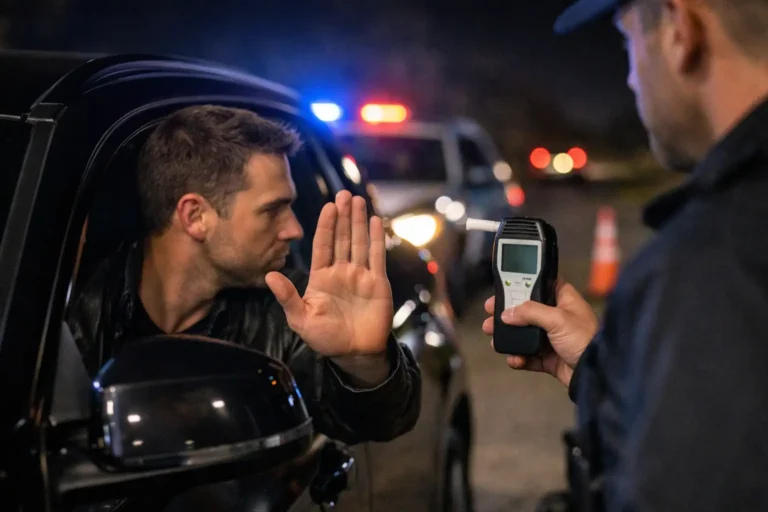
This is often the first serious question. If the weapon was recovered during a traffic stop, the details of that stop matter. Why was the vehicle pulled over? Was consent given to search? Was there probable cause? Did officers extend the stop beyond what the law allows?
If the weapon was found during a home search, the warrant and the scope of that search matter. If the charge came from a street encounter, the issue may be whether officers had legal grounds to detain and search at all. Search and seizure questions are not technical side issues. In some cases, they are the center of the defense.
Who actually possessed the weapon?
Possession is not always as obvious as the police report makes it sound. A firearm found in a shared car or a shared home does not automatically belong to one person just because that person was arrested. Constructive possession cases often turn on access, control, statements made at the scene, and whether the State can connect the weapon to a specific individual.
That is where early case review becomes important. Prosecutors may rely on circumstances that sound persuasive at first glance but look weaker once the timeline, witness accounts, and physical evidence are examined closely.
Is the weapons charge tied to another allegation?
Many weapons cases do not stand alone. They may be filed alongside drug charges, domestic violence allegations, assault accusations, or traffic-related offenses. When that happens, the weapons issue becomes part of a larger strategy.
Sometimes the strongest move is attacking the underlying search. Sometimes it is separating one allegation from another so the State cannot use one accusation to inflate the whole case. Sometimes the priority is limiting what statements or prior history can come into evidence. It depends on the facts, the court, and the risk profile of the client.
Common weapons charge situations
The phrase weapons charge covers a wide range of cases. In practice, people are often charged after a firearm is found during a stop, after an argument where a weapon is alleged to have been shown or used, or after police claim a person was legally barred from possessing a firearm.
South Carolina cases may involve unlawful carrying allegations, possession of a firearm during the commission of a violent crime, possession of a pistol by a person convicted of certain crimes of violence, weapons on school property, pointing or presenting a firearm, or firearms discovered during drug investigations. Each type of case brings different legal issues and different exposure.
That matters because a defense strategy that makes sense in one case can be the wrong one in another. A first-time defendant with a weapon found in a car during a disputed search is in a very different position from someone accused of possessing a firearm while already facing a separate felony allegation. Both need a serious response, but not the same response.
What happens after the arrest
For many clients, the first question is simple: what happens next? In most cases, that starts with bond conditions, the formal charge process, and court scheduling. Depending on the allegations, bond conditions may restrict firearm possession, travel, contact with certain people, or where you can go while the case is pending.
This period matters more than people realize. What you say to police, whether Miranda warnings were required, what you post online, whether you contact an alleged victim, and whether you strictly follow bond conditions can all affect the outcome. People sometimes harm their own cases by trying to explain everything away before they understand what evidence the State actually has.
A weapons charge lawyer South Carolina defendants hire early can step in before those mistakes pile up. That includes reviewing the charging documents, assessing exposure, communicating with the prosecution when appropriate, and preparing the case for negotiation or litigation rather than waiting passively for the next court date.
Why former-prosecutor perspective can matter
Weapons cases are often charged with a public-safety frame. Prosecutors know that judges take those allegations seriously, and they often build the case around themes of danger, escalation, or disregard for the law. A defense lawyer who understands that mindset can better anticipate how the State is likely to present the facts.
That does not mean every case is heading to trial, and it does not mean every case should be approached as if it is. Sometimes the right strategy is a focused legal challenge. Sometimes it is negotiation backed by strong mitigation and a clear explanation of the weaknesses in the evidence. Sometimes it is preparing thoroughly for a contested hearing because the search, statement, or possession theory does not hold up.
The value is in knowing the difference early.
Choosing a weapons charge lawyer in South Carolina
If you are speaking with a lawyer about a weapons case, pay attention to whether the conversation gets specific. You should hear clear questions about the stop, the search, where the weapon was found, who else was present, whether there are prior convictions at issue, and whether another charge is driving the case.
You also want practical guidance. What should you do before the next court date? What should you avoid? What records or evidence should be preserved? What are the immediate risks outside the courtroom? A good consultation should reduce confusion, not add to it.
In communities like Rock Hill, Fort Mill, York County, and surrounding courts, local process and courtroom expectations can shape how a case moves. That does not replace legal analysis, but it does matter. Procedure, timing, and credibility all play a role in criminal defense.
Carolina Criminal Defense approaches these cases the way they should be approached – with urgency, preparation, and a clear plan from the beginning. That matters when your case involves not just a charge, but the risk of losing control over your routine, your work, and your future.
The right time to act is now
People often wait to call a lawyer because they hope the charge will sort itself out, or because they assume there is nothing to do until the next hearing. In weapons cases, that delay can cost you. Evidence needs to be reviewed early. Statements need to be managed carefully. Strategy needs to start before the prosecution defines the case on its own terms.
If you are facing a weapons accusation, the goal is not panic. The goal is control. Get clear about the charge, protect your rights, and make sure your defense starts before the case picks up momentum.
This article provides general information about South Carolina weapons charges. It is not legal advice for your specific case. The right defense depends on the exact statute charged, the type of weapon, where it was found, how law enforcement searched or seized it, your criminal history, bond conditions, statements, and whether any other charges are involved.