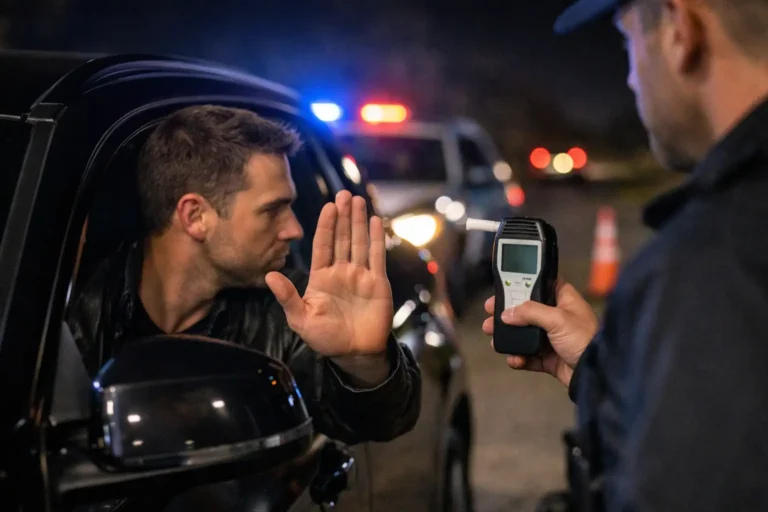

Drug Case Dismissed After a Traffic Stop?
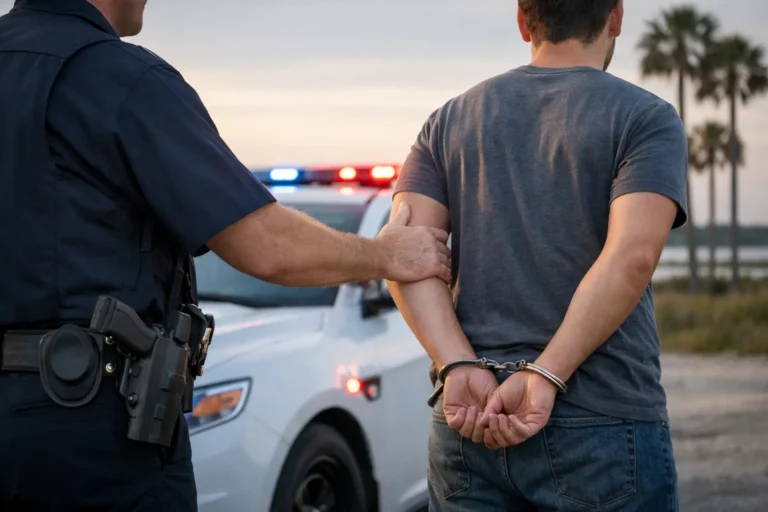
A lot can turn on the first few minutes of a traffic stop. An officer says you drifted, failed to signal, or had a tag issue. Then the stop stretches out, questions shift, a search happens, and now you are facing drug charges. If you are hoping for a drug case dismissed traffic stop result, the real question is not wishful thinking. It is whether the stop, detention, search, and seizure actually followed the law.
That is where criminal defense work starts. Not with promises, but with a close review of what happened, what the officer claims happened, and what the evidence can really support.
When a drug case dismissed traffic stop result is possible
A drug case can be dismissed after a traffic stop if the prosecution cannot use key evidence. In many cases, that means the defense successfully challenges the legality of the stop or the search. If the drugs were found through a constitutional violation, the court may suppress that evidence. Once that happens, the State may have little or nothing left to prove.
That does not mean every bad stop leads to dismissal. It depends on the facts, the officer’s stated reasons, the video, the timing, the reports, and whether the prosecution can argue some other lawful basis for what happened. A stop that feels unfair is not always illegal. On the other hand, a stop that sounds routine in a police report can fall apart when body cam and dash cam are reviewed carefully.
The strongest defense approach is usually detailed and early. Memories shift. Video can be missed. Officers write reports from their perspective. The sooner the stop is examined, the better.
The stop itself has to be lawful
Police generally need a valid legal reason to pull a driver over. That reason may be a traffic violation, an equipment problem, or reasonable suspicion that another offense is occurring. If the officer did not have a lawful basis at the beginning, everything that followed may be challenged.
Sometimes the issue is straightforward. The video may show the driver did not cross the line, did not speed, and did not commit the violation the officer describes. Sometimes it is more technical. The officer may have relied on a mistaken reading of the law, or used a vague justification that does not hold up under scrutiny.
A lawful stop can still become unlawful later. That matters in drug cases. Even if the officer had a proper reason to pull the car over, the officer cannot keep extending the stop without legal justification. A short traffic matter cannot be turned into a drug investigation just because the officer wants to keep fishing.
How traffic stops turn into drug investigations
This is where many cases are won or lost. An officer may start with a traffic warning but then ask a series of unrelated questions, request consent to search, call for a K-9, or order the driver and passengers out while trying to build suspicion. Some of that may be legal. Some of it may not.
The line is whether the officer had enough to prolong the stop beyond the time reasonably needed to handle the traffic issue. Nervousness alone usually is not enough. Neither is being on a roadway known for drug activity. Air fresheners, fast food wrappers, inconsistent travel plans, or a driver who looks anxious often appear in reports, but those details do not automatically create reasonable suspicion.
Courts look at the total picture. The State may argue that several small facts added up. The defense may show those same facts are ordinary, innocent, and too weak to justify a longer detention. That is why the sequence matters so much. What did the officer know, and when?
Consent searches are not always the end of the story
Many people assume that if they said yes to a search, the case is over. That is not always true. Consent has to be voluntary, and the surrounding circumstances matter. If a person felt they had no real choice, if the stop was already unlawfully extended, or if the officer exceeded the scope of the consent, the search may still be challenged.
For example, agreeing to let an officer look in the car does not always mean consent to dismantle parts of the vehicle or search every container without limits. The exact words used can matter. So can tone, timing, and whether the person was effectively being detained when consent was requested.
K-9 sniffs raise timing issues
Dog sniffs come up often in traffic stop drug cases. An officer cannot generally delay a traffic stop just to wait for a K-9 unit unless there is independent reasonable suspicion supporting that delay. If the dog arrives while the traffic work is still being handled, that may be one issue. If the stop is effectively over and the officer keeps the driver there to wait on the dog, that is a different one.
These cases often turn on minutes, not hours. Dispatch logs, body cam timestamps, and citation records can all matter.
Search issues go beyond the roadside
Not every drug case from a traffic stop is about what happened on the shoulder of the road. Sometimes the question is whether officers had lawful grounds to search containers, impound and inventory a vehicle, or arrest someone based on what they found. Sometimes constructive possession is the real fight.
If drugs are found in a shared vehicle, the State still has to prove knowing possession. That can be harder than people think. If multiple people had access to the car, if the drugs were hidden, or if ownership is unclear, the defense may challenge whether the evidence actually ties the substance to one person beyond a reasonable doubt.
That is separate from the search issue, but just as important. A case can survive a suppression motion and still be weak on proof.
Why video and records matter so much
In a traffic stop drug case, the paper report is only one version of events. Video often tells a fuller story. It may show whether the alleged lane violation happened, how long the stop lasted, whether the driver was cooperative, and whether the officer’s stated concerns match what can actually be seen and heard.
Dispatch audio, CAD logs, warrant checks, and time stamps can also expose gaps. If an officer says he was still writing a warning when he called for a dog, the records may confirm that or contradict it. If the prosecution claims reasonable suspicion developed early, the video may show the opposite.
This is one reason early case preparation matters. A defense lawyer is not just reading the charge and waiting for court. The work starts by preserving evidence, comparing timelines, and testing the government’s version of events before that version hardens.
A dismissal is possible, but it depends on more than one issue
People often ask whether one mistake by police means the whole case gets thrown out. Sometimes yes. Often, it is more layered than that. The prosecution may try to argue inevitable discovery, plain smell, probable cause from statements, or some other exception. The defense has to be ready for those arguments.
There is also a difference between suppression and dismissal. Suppression means certain evidence cannot be used. Dismissal means the charge ends. One often leads to the other, but not automatically. If the State still has admissible evidence, it may keep going. If suppression wipes out the core of the case, dismissal becomes much more likely.
That is why clear legal analysis matters more than broad claims. The right question is not whether dismissals ever happen after traffic stops. They do. The right question is whether this stop, this search, and this evidence can survive close review.
What to do if you were charged after a traffic stop
If you are facing drug charges after a roadside stop, do not assume the officer’s version is the final version. Do not try to explain the case away on recorded calls or to people who do not need to know. And do not wait too long to get the stop reviewed.
A defense lawyer should be looking at the basis for the stop, the length of the detention, the search, the handling of consent, the timing of any K-9 involvement, and whether the State can actually prove possession. In South Carolina, that kind of early review can shape everything that follows, from bond strategy to suppression motions to negotiations.
Carolina Criminal Defense approaches these cases the way they should be approached – fast, carefully, and with an eye on both the immediate charge and the long-term consequences. For many clients, the case is not just about court. It is about work, family, reputation, and whether one stop changes the direction of the next several years.
If there is a helpful takeaway, it is this: a traffic stop drug case should never be judged by the arrest alone. The legal fight is in the details, and details are where weak cases start to show.