How to Reinstate License After DUI
Losing your license after a DUI can disrupt almost everything at once – work, school drop-offs, probation compliance, and basic daily routines. If you are trying to figure out how to reinstate license after DUI in South Carolina, the hard part is that there is rarely one single step. Reinstatement usually depends on why your license was suspended, whether you requested a hearing, whether you refused a breath test, and whether there was a conviction.
That is why many people get stuck. They assume they can simply wait out the suspension period, pay a fee, and start driving again. In some cases, that is close to true. In many others, missing one requirement keeps the suspension in place longer than expected.
How to reinstate license after DUI in South Carolina
In South Carolina, a DUI-related suspension can come from more than one source. There may be an administrative suspension tied to an arrest or test refusal, and there may also be court consequences tied to a conviction. Those are connected, but they are not the same thing.
The first question is not just whether your license is suspended. The first question is why it is suspended. A person who refused a breath test may face a different path than someone who submitted to testing and was later convicted. A first offense may look very different from a second or third offense. If your license is suspended for multiple reasons at the same time, you may have to clear each one before full reinstatement is possible.
As a practical matter, most reinstatement cases involve some combination of serving the suspension period, completing any required alcohol or drug program, meeting ignition interlock rules if they apply, paying reinstatement fees, and making sure the South Carolina Department of Motor Vehicles has proof that every condition has been satisfied.
Start with the exact reason for the suspension
Before you make any plan, confirm the legal basis for the suspension. That sounds obvious, but it matters. A DUI arrest can trigger immediate consequences, especially if there was an alleged refusal or a high alcohol reading. A later conviction can add another layer.
If you are not clear on the basis for the suspension, you can end up completing the wrong step first. For example, some drivers focus only on the criminal court date and do not realize they also needed to address the administrative side. Others pay fees too early, before they are actually eligible for reinstatement.
The better approach is to identify each barrier separately. Is the suspension based on implied consent? Is it based on a DUI conviction? Is there a requirement for SR-22 filing or another insurance-related step? Is ignition interlock mandatory? Once those answers are clear, the reinstatement process becomes more manageable.
Administrative suspension versus conviction-based suspension
This distinction matters more than most people expect. An administrative suspension often starts close to the time of arrest. A conviction-based suspension follows the court case.
That means you can be dealing with deadlines and requirements on two tracks at once. Even if your criminal case is still pending, your driving privileges may already be affected. Waiting for court to end before addressing the license issue can cost time and create avoidable problems.
Refusal cases often involve tougher reinstatement issues
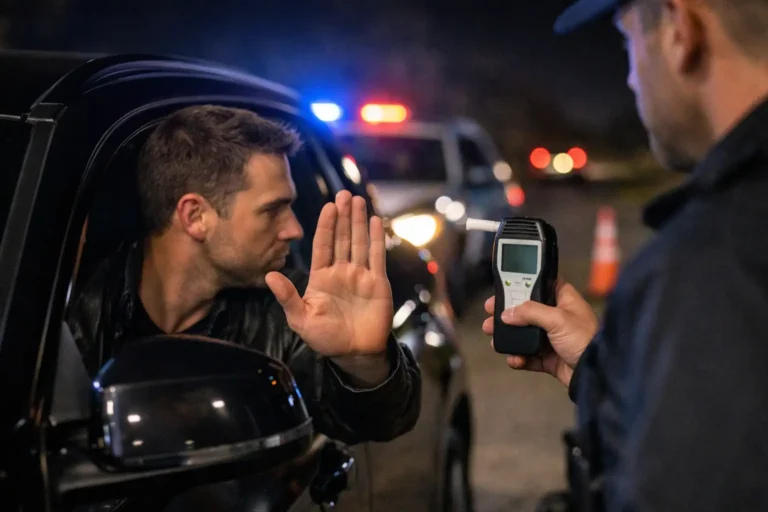
If you refused a breath test, expect stricter consequences. South Carolina’s implied consent law can trigger a suspension even before the DUI charge is resolved. In refusal cases, the path back to legal driving may involve additional suspension time and more limits on early reinstatement options.
That does not mean every refusal case ends the same way. It means you should assume the details matter and verify them early.
What you may need before your license can be restored
Once you know the basis for the suspension, the next step is satisfying the conditions attached to it. The exact list depends on your case, but several requirements come up often.
You may need to finish the full suspension period before applying. You may need to complete the Alcohol and Drug Safety Action Program, often called ADSAP. If ignition interlock is required, you may need proof of installation and compliance for a set period of time. You may also need to pay reinstatement fees and submit any insurance or DMV documentation tied to your case.
This is where people often lose time. They complete most of the requirements but overlook one document or one agency approval. The DMV will not usually fill in those gaps for you. If something is missing, your license may remain suspended until the file is complete.
ADSAP is often a key part of reinstatement
For many South Carolina DUI cases, ADSAP is not optional if you want your license back. Enrollment and completion can affect both reinstatement timing and what driving privileges are available in the meantime.
Do not assume that being convicted and paying court fines ends the process. Court penalties and DMV reinstatement requirements are different things. A person can be done with court and still not be legally cleared to drive.
Ignition interlock may be required
Some drivers will need an ignition interlock device before they can lawfully drive again. This is especially common in certain conviction situations and can affect whether you qualify for restricted or full reinstatement.
If interlock applies, treat it as a core part of the reinstatement process, not a side issue. Delays in installation, reporting, or compliance can push your timeline back.
Restricted licenses and route-restricted privileges
For some people, the real question is not just how to get a full license back. It is how to drive legally as soon as possible. South Carolina may allow certain restricted driving privileges depending on the facts of the case, your record, and whether you qualify under current law.
That can be critical if you need to get to work, medical appointments, school, or court-ordered programs. But restricted privileges come with strict limits. Driving outside the allowed terms can create new criminal exposure and make the original problem worse.
This is one of those areas where “it depends” is the honest answer. Eligibility turns on the type of suspension, your prior history, and whether you met the deadlines and conditions tied to your case. What worked for someone else after a DUI may not apply to you.
Common mistakes that delay reinstatement
The biggest mistake is waiting too long to investigate the suspension. The second is assuming the court, DMV, and treatment provider are all working from the same checklist. They are not.
Another frequent problem is driving on a suspended license because the person thought reinstatement had already gone through. Until you have clear confirmation that your driving privilege has been restored, do not assume you are legal to drive.
People also run into trouble when they miss hearing deadlines, fail to complete ADSAP on time, ignore interlock requirements, or misunderstand what kind of restricted license they actually have. These are not small technicalities. They can extend the suspension and create new charges.
When legal help can change the outcome
If your suspension is tied to a pending DUI case, legal strategy matters early. The way the case is handled can affect not just criminal penalties, but also your ability to drive, your timeline for reinstatement, and whether certain restrictions apply.
This is especially true if there are multiple issues at once – a refusal allegation, a prior DUI, an accident, or questions about the traffic stop or testing process. In those situations, license reinstatement is not just clerical. It is part of a broader defense plan.
An experienced South Carolina DUI lawyer can help identify what is holding the license, what must be done first, and whether there are hearing issues or court developments that could affect your options. At Carolina Criminal Defense, that kind of planning starts with getting clear on what happened, what the state is claiming, and what needs to be protected right now.
What to do next if your license is suspended after DUI
Start by confirming your current status with the DMV and identifying every reason the license is suspended. Then make a written checklist of the exact conditions that apply in your case, including suspension periods, ADSAP, interlock, insurance filings, fees, and any hearing-related issues.
If anything about the timeline is unclear, or if your DUI case is still pending, get legal guidance before you guess your way through it. A wrong assumption can cost weeks or months.
Getting your license back after a DUI is possible, but it usually requires more than patience. It requires accuracy, timing, and a plan that deals with the real cause of the suspension rather than just the symptoms.