
DUI Charge Reduced to Reckless Example
A lot of people search for a dui charge reduced to reckless example because they want one clear answer: can this happen in a real case, or is it just something lawyers say? The honest answer is that it can happen, but not every DUI case is a candidate for that result. The facts, the evidence, the county, the prosecutor, and what your defense lawyer does early all matter.
If you have been charged with DUI in South Carolina, this question is not academic. A DUI charge can affect your license, your job, your insurance, your reputation, and your ability to move forward without a criminal record following you around. That is why the better question is not just whether a reduction is possible. It is what makes a reduction more likely, and what can close that door fast.
A dui charge reduced to reckless example
Here is a realistic example of how this issue can play out.
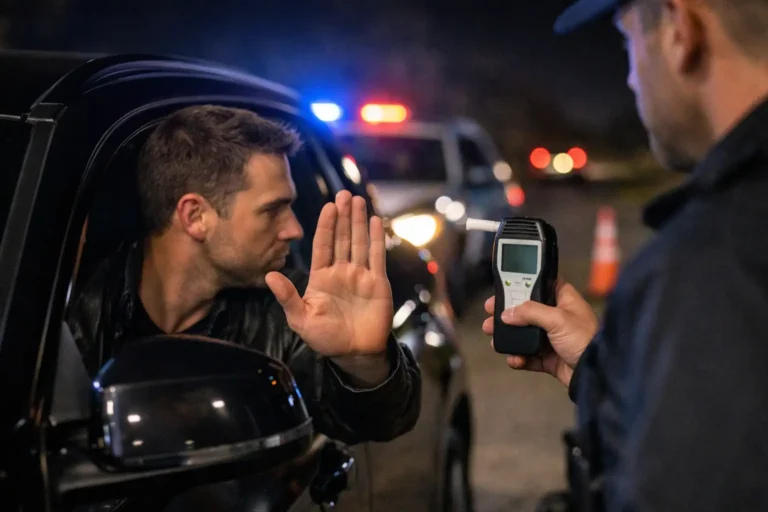
A driver is stopped late at night after drifting over the fog line once and braking hard at a red light. The officer reports an odor of alcohol, slightly bloodshot eyes, and that the driver admitted to having two drinks with dinner. The driver is polite, cooperative, and has no prior DUI history. On roadside video, the speech is clear. The balance looks mostly normal. The field sobriety tests are mixed rather than disastrous. One test is performed on uneven pavement. Another is interrupted by traffic noise and unclear instructions. The breath test result is close to the legal limit, or there is a refusal with no clear signs of severe impairment on video.
That is the kind of case where the defense may have room to argue that the evidence does not cleanly prove impairment beyond a reasonable doubt. Maybe the stop was weak. Maybe the driving pattern was minor. Maybe the officer overstated what the video actually shows. Maybe medical issues, fatigue, anxiety, or poor testing conditions affected the roadside tests. In a case like that, the prosecutor may consider resolving the matter as reckless driving rather than risking a contested hearing or trial on a shaky DUI record.
Now compare that with a different case. A driver is found passed out at a light, has slurred speech, stumbles badly, nearly falls during field tests, gives a very high breath sample, and has a prior DUI. That case is far less likely to end in a reduction. Same charge on paper, very different facts.
That is why examples help, but they do not predict your outcome by themselves.
What makes a DUI reduction possible
When people ask whether a DUI can be reduced, they are usually asking whether the State has proof problems. That is often the center of the discussion.
A prosecutor is more likely to consider reckless driving when the DUI evidence has real weaknesses. Those weaknesses can involve the traffic stop, the officer’s observations, the field sobriety tests, the breath testing process, the body camera footage, witness issues, or gaps in the timeline. If the officer says a driver was swaying heavily but the video does not back that up, that matters. If the stop was based on thin suspicion, that matters too.
Context also matters. A first-time defendant with stable employment, no accident, no injuries, and respectful behavior during the stop presents differently from someone with prior alcohol-related history or a collision. That does not mean the law should turn on personal background alone. It means prosecutors and judges often look at the whole picture when evaluating risk, proof, and resolution.
This is also where early case preparation makes a real difference. If the defense quickly obtains video, reviews reports, identifies inconsistencies, and frames the case in a disciplined way, negotiations tend to be more grounded. If nobody does that work until the court date, opportunities can be missed.
Why reckless driving is not the same as a win
A reduction from DUI to reckless driving can be a meaningful improvement, but it is not a clean slate. Reckless driving still carries consequences. It can still affect driving privileges, insurance rates, and your record. It may still raise concerns for employers or professional licensing boards depending on your field.
That said, the difference between a DUI conviction and a reckless driving conviction can be significant. For many people, the DUI label itself creates a different level of personal and professional damage. That is why the distinction matters so much.
Still, no responsible lawyer should treat reckless driving as the automatic goal in every case. Sometimes the right move is to fight the DUI charge directly because the evidence is too weak. Other times, reckless driving may be the most controlled and practical resolution available. Strategy depends on the case, not wishful thinking.
What prosecutors and courts often look at
A dui charge reduced to reckless example usually turns on a few practical questions. Was the driving actually dangerous, or merely imperfect? Did the officer observe real impairment, or just indicators that can have innocent explanations? Does the video support the report? Is the chemical test result strong, borderline, or vulnerable to challenge? Did the defendant’s conduct after the stop help or hurt the case?
In South Carolina, local practice can also influence how these cases are handled. Some courts and prosecutors take a harder line. Others are more willing to assess the strength of the evidence and negotiate when the file has problems. That is one reason local courtroom experience matters. A defense strategy that works well in one county may need to be adjusted in another.
The key point is simple. Reductions do not usually happen because someone asked nicely. They happen because the defense gives the State a reason to doubt its ability to prove the original charge or shows that a different resolution makes more sense under the facts.
What hurts your chances of getting a DUI reduced
Some cases become harder to negotiate because of what happens in the first few days after arrest.
People sometimes talk too much, either to law enforcement, to friends by text, or on social media. They assume they can explain things away, but those explanations often create new problems or lock them into a version of events before the evidence is fully reviewed. Others miss deadlines, ignore license-related issues, or go to court without a clear defense plan.
Another problem is waiting too long to involve counsel. DUI cases can move quickly, and critical evidence does not wait forever. Video must be requested and reviewed. Reports need scrutiny. Timelines need to be built. If there is a path toward reduction or dismissal, it usually starts with early pressure on the weak points of the case.
What you should do if you are hoping for a reduction
Start by treating the charge seriously. Do not assume a first offense will sort itself out. Do not assume that being polite during the stop means the State’s evidence is strong or weak. Get the case evaluated on the facts.
A disciplined review should ask hard questions. Why were you stopped? What does the video show? How were the field tests explained and scored? Was there a breath test, and if so, was the process properly documented? Are there medical, environmental, or timing issues that affect interpretation? Is there anything about your background or the incident itself that will shape negotiation?
This kind of review does two things at once. It shows whether a reduction to reckless driving is a realistic possibility, and it shows whether pushing harder may be justified. Both matter.
For people in York County and surrounding South Carolina courts, this is where experienced local defense counsel can provide real value. Not because anyone can promise a particular result, but because a calm, prepared approach gives you the best chance to protect your record and make smart decisions under pressure.
The practical takeaway from any example
A single dui charge reduced to reckless example can be helpful, but your case will rise or fall on its own evidence. The real issue is whether the State can prove impairment clearly and lawfully, and whether your defense identifies the weak spots before the case gains momentum.
If your charge can be reduced, that usually happens because the defense was prepared, credible, and early. If it cannot, you still need a clear plan for challenging the case and limiting the damage. Either way, the next smart step is the same: get the facts reviewed before the court process starts making decisions for you.