Ignition Interlock Device Review for DUI Cases
A court order for an ignition interlock device can feel like a second sentence after a DUI arrest or conviction. That is why an honest ignition interlock device review matters. If you are trying to keep working, get your kids to school, and protect your license, you need more than a sales pitch. You need a clear look at how these devices work, where they create problems, and what can happen if something goes wrong.
Ignition interlock device review: what it really covers
Most people first hear about an ignition interlock in the middle of a stressful process. They are dealing with criminal charges, DMV issues, insurance pressure, and questions from family or employers. In that moment, it is easy to think of the device as just a breath test wired into a car. In practice, it affects your daily routine, your schedule, and sometimes your legal exposure.
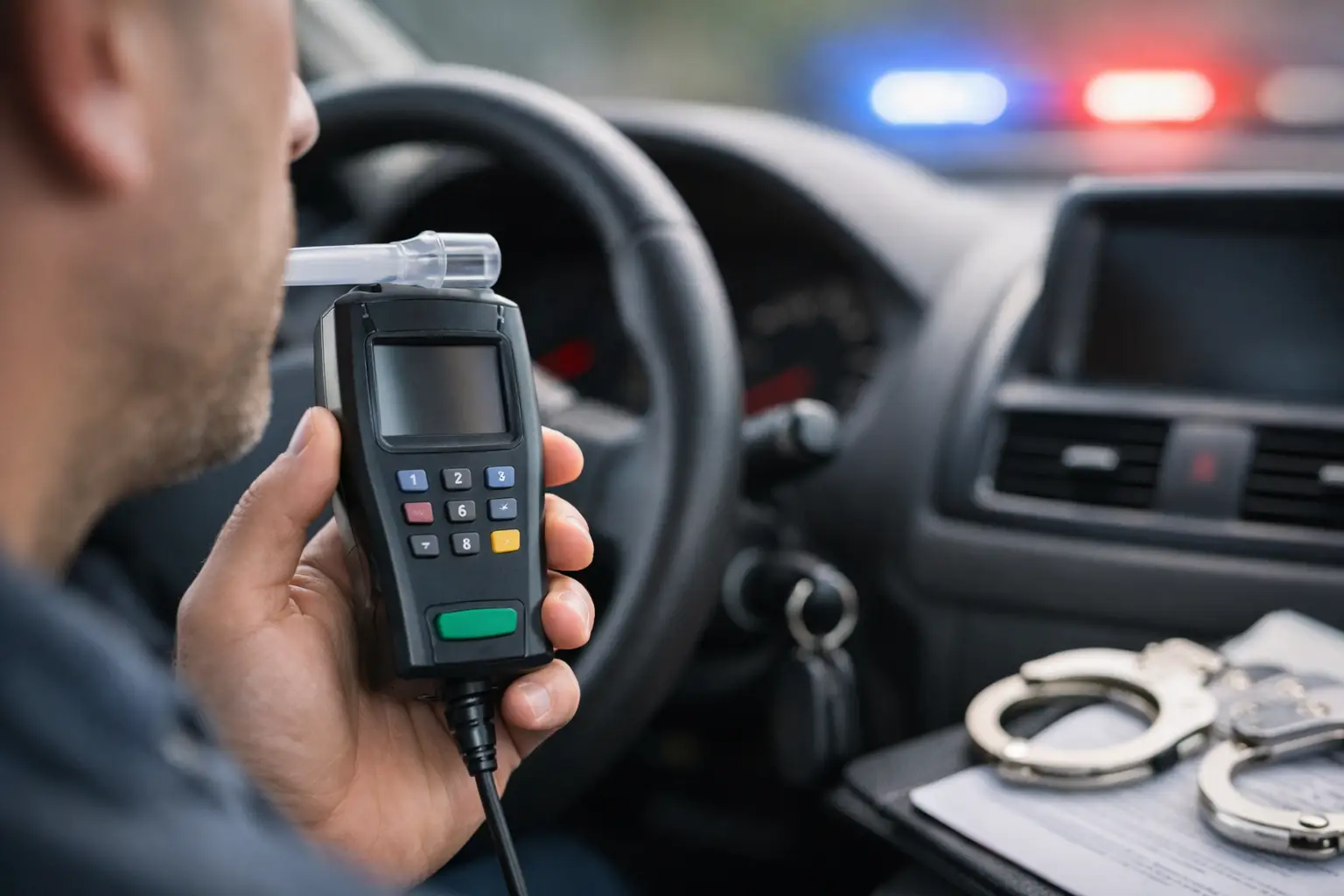
An ignition interlock device requires the driver to provide a breath sample before the vehicle starts and, in many cases, during operation through rolling retests. If the device detects alcohol above the programmed threshold, the vehicle will not start or the device will record a violation. The practical point is simple – this is not just a piece of hardware. It is an ongoing monitoring system, and every missed calibration, failed test, or disputed reading can create consequences.
That is why the right review is not just about the brand of device. It is about reliability, service support, reporting practices, installation quality, and how well the driver understands the rules.
The strongest point of an interlock device
The main advantage is straightforward. An ignition interlock can allow some drivers to regain limited or monitored driving privileges when they might otherwise face a complete loss of lawful driving. For many working adults and parents, that can be the difference between holding life together and watching it spiral.
Courts and licensing agencies use these devices because they are preventive. The theory is that if a person has consumed alcohol, the car should not start. That logic is easy to understand, and in many cases it does exactly what it is designed to do.
For some people, the device also creates structure during a difficult period. It sets a hard rule, documents compliance, and can demonstrate that the driver is following court or administrative requirements. That can matter when a case is under review or when a person is trying to move forward without creating new problems.
Where the real problems start
The weak point is not always the idea behind the device. It is the day-to-day use. Devices can be sensitive. Mornings can be rushed. Service appointments can interfere with work. A dead battery, improper installation, or confusion about retests can turn an ordinary day into a violation issue.
False positives are one of the most talked-about concerns. Mouthwash, certain hygiene products, residual alcohol in the mouth, and even user error can trigger readings that lead to panic. Some devices handle these situations better than others, but no system is perfect. Even when there is an innocent explanation, the driver may still have to explain the event later.
Then there is the embarrassment factor, which is real even if people do not always say it out loud. Blowing into a device in front of coworkers, neighbors, or passengers can feel exposing. For many first-time defendants, that social pressure is part of the punishment. A good review should acknowledge that practical reality rather than pretending it does not matter.
What makes one provider better than another
A useful ignition interlock device review focuses less on glossy claims and more on support after installation. A provider is only as good as its service network and recordkeeping. If the device malfunctions, how quickly can you get help? If a calibration appointment is missed because of a scheduling problem, how is that reported? If a battery issue causes a lockout, is there a clear process to document what happened?
The best providers tend to have three things in common. They give clear instructions, maintain dependable local service access, and respond quickly when there is a technical problem. Those points sound basic, but in a DUI-related case, basic reliability matters. A missed or mishandled issue can lead to added cost, added time on the device, or questions from the court or DMV.
Drivers should also pay attention to the reporting side. The device is collecting data. That data may be reviewed by state agencies, probation officers, or the court, depending on the situation. If something questionable appears in the record, you want to know exactly how the provider documents events and whether supporting information can be obtained promptly.
Ignition interlock device review: the legal side people overlook
People often treat interlock compliance like a technical issue when it can quickly become a legal issue. A failed test does not automatically prove someone was drinking in a way that violates every rule, but it can create a presumption problem. It can raise questions that then have to be answered.
That distinction matters in South Carolina DUI cases. Administrative penalties, license restrictions, court obligations, and compliance requirements do not always move on the same track. A person may assume that because they have an explanation for a reading, the problem will simply clear itself up. Sometimes it does not. Sometimes a small issue grows because no one addressed it early.
That is one reason people facing DUI consequences need legal advice that goes beyond the criminal charge alone. An interlock issue can affect mobility, work, and future compliance. It deserves attention before it turns into a larger setback.
What drivers should expect in real life
Living with an interlock device means planning ahead. You cannot assume every trip will be simple. Cold weather, battery weakness, rushed mornings, or a vehicle that sits too long can all create problems. If someone else uses the vehicle, the risks increase unless everyone understands the rules.
The safest mindset is disciplined, not casual. Keep records of service visits. Read every instruction. Show up early for maintenance and calibration. If an unexpected event happens, document it immediately. That kind of organization can make a major difference if you later need to explain a violation or challenge an inaccurate report.
It also helps to think about the vehicle itself. An older car with electrical problems may be a poor match for an interlock. A reliable installation is not just about the device but about the condition of the car receiving it. People rarely focus on that point until they are dealing with repeated issues.
Is the device fair? It depends on what you mean
If the question is whether ignition interlocks can reduce drunk driving, many people would say yes. If the question is whether they operate perfectly in every case, the answer is no. Both can be true at the same time.
The system is designed for public safety, but it puts a lot of pressure on the individual user to avoid mistakes, understand procedures, and respond quickly to technical problems. That is manageable for some drivers and very difficult for others, especially those juggling demanding jobs, childcare, or long commutes.
So a fair review has to hold both ideas together. Interlocks can serve a real purpose. They can also create frustration, expense, stress, and dispute over events that are not always as simple as they look on a printout.
How to protect yourself if an interlock is part of your case
Start by treating every requirement seriously from day one. Do not guess about the rules. Do not assume a minor issue will stay minor. If you are ordered to use an ignition interlock device, ask questions until you understand the testing process, service schedule, and reporting consequences.
If a reading seems wrong or a malfunction occurs, act quickly. Save receipts, take notes, and keep every document connected to the event. If your license, bond conditions, probation status, or DUI case could be affected, legal guidance matters early, not after the problem has hardened into a formal violation.
For people dealing with DUI charges in South Carolina, this is where strategic defense matters. The criminal case, the license issue, and the interlock requirement can overlap in ways that are easy to underestimate. Carolina Criminal Defense approaches those problems with the understanding that protecting your future means paying attention to every part of the process, including the ones that seem administrative at first.
If an ignition interlock becomes part of your path forward, the goal is not just to get through it. The goal is to get through it cleanly, with your rights protected and no avoidable damage added along the way.