
DUI Versus DUAC Penalties in South Carolina
A traffic stop can turn into two separate problems quickly: the criminal charge in court and the threat to your driving privileges. When people compare DUI versus DUAC penalties in South Carolina, they often expect one charge to be much less serious than the other. Usually, that is not how the law works.
DUI and DUAC are different legal theories for alleging impaired driving. Their core penalties are closely aligned, and either conviction can affect your license, job, insurance, reputation, and future criminal record. The difference that matters most is often not the label on the ticket. It is the evidence, your blood alcohol result if there is one, your prior record, and how the case is handled from the start.
DUI vs. DUAC: What Is the Difference?
A DUI allegation claims that a person drove while under the influence of alcohol, drugs, or both to the extent that their ability to drive was materially and appreciably impaired. The prosecutor may try to prove that claim through driving behavior, roadside observations, field sobriety tests, officer testimony, admissions, video footage, or chemical-test evidence.
A DUAC charge means driving with an unlawful alcohol concentration. The focus is the alcohol concentration result, generally 0.08% or higher, rather than whether the State can show obvious impairment. A person can face a DUAC allegation even if they believe they were driving normally and did not feel impaired.
In practical terms, DUI is an impairment-based case, while DUAC is a test-result-based case. A person initially charged with DUI may be prosecuted for DUAC when the statutory conditions are met, but South Carolina law prohibits prosecution for both offenses from the same incident.
DUI Versus DUAC Penalties: Are They the Same?
For most people, the answer is largely yes. South Carolina applies a similar penalty structure to DUI and DUAC convictions. A first offense may involve fines, court assessments, jail exposure, license consequences, alcohol education requirements, and other conditions imposed by the court or the Department of Motor Vehicles.
The potential sentence typically becomes more serious as the reported alcohol concentration rises. A first offense at the lower alcohol-concentration tier can carry a minimum of 48 hours in jail and up to 30 days. Higher tiers can increase the minimum exposure, with the highest tier carrying a potential range of 30 to 90 days for a first offense. In some cases, the court may allow public service in place of certain jail time, but that is not automatic and depends on the circumstances.
The financial impact also reaches beyond the fine listed in the statute. Court assessments, reinstatement costs, treatment or education requirements, transportation costs during a suspension, and higher insurance premiums can add substantial pressure. A charge that looks manageable on paper can create problems at work and at home for months.
Prior convictions change the stakes
A second or third DUI or DUAC conviction carries substantially greater jail exposure, longer license consequences, and higher fines. A fourth or subsequent offense can be charged as a felony in South Carolina. Prior convictions are therefore one of the first issues a defense lawyer should evaluate, including whether an older conviction legally counts for enhancement purposes.
The State must still prove the current charge. A prior record can raise the potential consequences, but it does not excuse unreliable evidence, an unlawful stop, flawed testing procedures, or a failure to prove the elements beyond a reasonable doubt.
A refusal or high test result can create a separate license problem
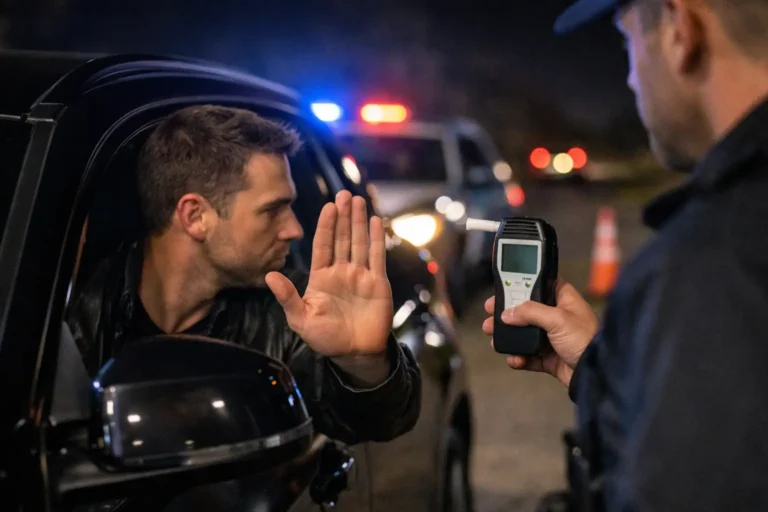
The criminal charge and the administrative license process are related, but they are not the same case. If a driver refuses a breath test or registers 0.15% or higher, South Carolina can impose an immediate administrative suspension under the implied-consent law. That suspension can begin before the criminal case is resolved.
There is a short deadline to request an administrative hearing. Missing it can mean losing the chance to challenge the suspension through that process. A temporary alcohol-restricted license or ignition interlock option may be available in some situations, but eligibility depends on the facts and the driver’s record. Fast action matters because the license deadline does not wait for a court date.
Why the Evidence Matters More Than the Charge Name
A DUAC case may appear straightforward because it involves a number from a breath test. But the State still must establish that the test was properly obtained and legally admissible. The timeline matters. So do the arrest, the advisement of implied-consent rights, the machine’s operation, the observation period, the handling of any video evidence, and whether the person was actually driving.
A DUI case without a high breath result can also be defended on the evidence. Officers may interpret fatigue, anxiety, a medical condition, poor balance, uneven pavement, or ordinary nervousness as signs of impairment. Field sobriety exercises have rules and limitations. Camera footage can either support or undermine the officer’s written report.
That is why an early defense assessment should look beyond the accusation. The right questions include whether the stop was lawful, what the officer observed before activating blue lights, whether the roadside tests were administered correctly, and whether the chemical-test process followed South Carolina requirements.
License Penalties After a Conviction
A DUI or DUAC conviction triggers separate driver’s license consequences, even if there was no implied-consent suspension. Under the law effective May 19, 2024, the ordinary first-conviction route requires enrollment in the Ignition Interlock Device Program and an ignition-interlock restricted license, with the device required for six months. Statutory exceptions and the date of the offense require individual review. Repeat convictions bring longer interlock periods and additional reinstatement requirements.
A DUI or DUAC conviction also requires enrollment in and successful completion of the Alcohol and Drug Safety Action Program. The program assesses whether education, treatment, or both are needed. Interlock and program requirements can affect commuting, family responsibilities, and work that involves driving.
For professionals, commercial drivers, parents who transport children, and anyone whose job depends on reliable transportation, the license issue deserves attention immediately. Waiting to deal with it after a guilty plea can leave fewer options and more disruption.
What Does Not Change Between DUI and DUAC
Whether the charge is DUI or DUAC, a conviction can create a public criminal record and potentially affect employment screenings, professional licensing, college applications, security clearances, and insurance. Employers may have their own policies about driving-related convictions, especially when an employee drives a company vehicle or holds a commercial license.
Neither label is a minor traffic ticket. Both are criminal offenses, and both should be treated as cases that require careful preparation. The fact that someone has never been arrested before does not make the process simpler, but it does make clear advice and a focused plan especially valuable.
What to Do After a DUI or DUAC Arrest
Preserve information while details are fresh. Write down where you were, what you drank or took, when you last ate, what the officer said, whether you performed roadside tests, and what happened at the breath-test site. Save receipts, messages, location history, and names of people who saw you before the stop when they may help establish a timeline.
Do not discuss the facts casually on social media or by text. Do not assume the police report tells the whole story. It is one account, and the video, dispatch records, test records, and witness evidence may tell a more complete one.
Speak with a South Carolina criminal defense lawyer promptly, particularly if your license was suspended, you refused testing, your alcohol concentration was 0.15% or higher, or you have a prior conviction. A careful review early in the process can identify deadlines, preserve evidence, and put the case on a more controlled path.
The best next step is not to guess which label is worse. Get clear on the actual evidence, the immediate license deadline, and the consequences that matter most to your future.