Best Defenses to a DUI Stop in South Carolina
Blue lights in the rearview mirror can change the next six months of your life in a matter of minutes. When people search for the best defenses to dui stop cases, they usually are not looking for theory. They want to know whether the officer had a lawful reason to pull them over, whether the investigation was handled correctly, and whether the charge can be challenged before it damages their license, job, and reputation.
The short answer is this: the best defense depends on what happened before, during, and after the stop. A DUI case is not just about whether alcohol was involved. It is about whether law enforcement followed the law at every stage and whether the prosecution can prove impairment with reliable evidence.
What makes the best defenses to a DUI stop?
A strong DUI defense starts with the stop itself. Police do not have unlimited authority to pull over a driver because of a hunch. In most situations, the officer needs reasonable suspicion that a traffic violation or criminal offense occurred. If the stop was unlawful, a judge may suppress the evidence that followed, which can seriously weaken the case.
That is why an early review matters. Dash camera footage, body camera footage, dispatch records, officer notes, and the exact timeline can reveal problems that are easy to miss in the first few days after an arrest. People often assume the field sobriety tests or breath test are the whole case. Sometimes the real issue is that the officer should never have made the stop in the first place.
Unlawful stop: no valid reason to pull you over
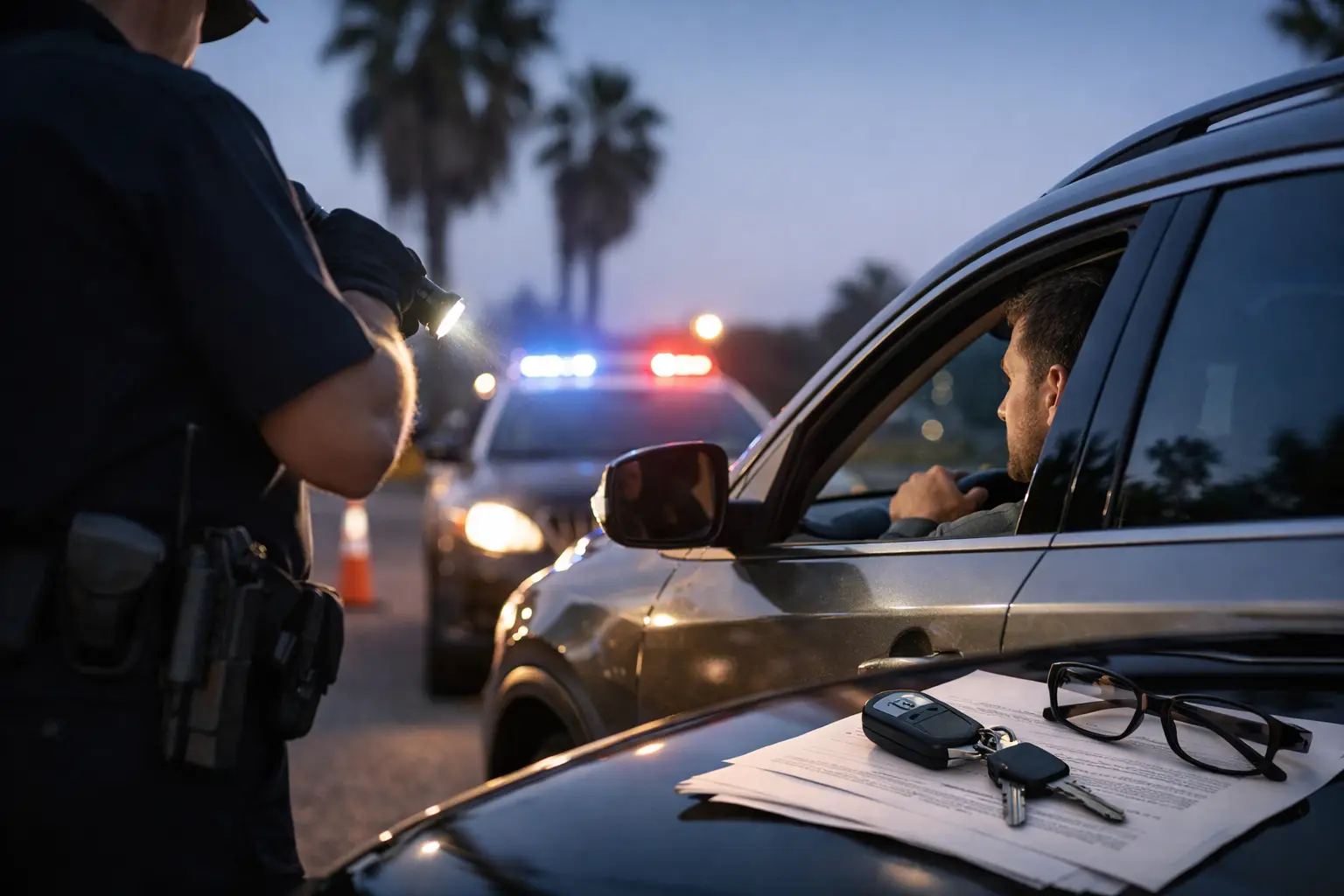
One of the best defenses to a DUI stop is showing that the initial stop lacked legal justification. If an officer says you were weaving, crossing the center line, speeding, driving too slowly, or had an equipment issue, that claim should be tested against the evidence. Video does not always match the report.
A lane touch is not always a lane violation. Briefly drifting within a lane is not the same as unsafe driving. An officer may also misidentify the vehicle, misunderstand what happened, or overstate conduct after already deciding to investigate for DUI.
If the reason for the stop falls apart, that does not automatically end every case, but it can remove key evidence from the prosecution’s reach. In practical terms, that can change negotiations, motion strategy, and trial posture right away.
Weak signs of impairment are not enough
After a lawful stop, the next issue is whether the officer had enough evidence to expand the encounter into a DUI investigation. The state must show more than a generalized suspicion. Common observations like red eyes, nervousness, or the odor of alcohol are not automatic proof of impairment.
There are many innocent explanations for those signs. Fatigue, allergies, anxiety, long work hours, or even the stress of being stopped can affect a person’s appearance and behavior. An odor of alcohol may suggest recent drinking, but it does not prove a driver was substantially impaired.
This is where context matters. If the driving was normal, speech was clear, documents were produced without trouble, and the person was cooperative, those facts may undercut the officer’s conclusion.
Problems with field sobriety tests
Field sobriety tests often look more scientific than they are. In reality, they are coordination exercises administered on the side of the road, often at night, under stress, on uneven pavement, with traffic passing nearby. Age, weight, injuries, footwear, medical conditions, and anxiety can all affect performance.
The officer also has to administer the tests properly. Instructions matter. Demonstrations matter. Environmental conditions matter. If the officer rushes through instructions, interrupts the test, chooses a poor location, or scores the performance unfairly, the value of those tests drops.
A common mistake is assuming poor performance equals intoxication. It does not. It may only show that a person struggled with roadside balancing tasks under poor conditions. In some cases, body camera footage is more helpful than the officer’s written description because it shows whether the testing was fair in the first place.
Breath test defenses and machine issues
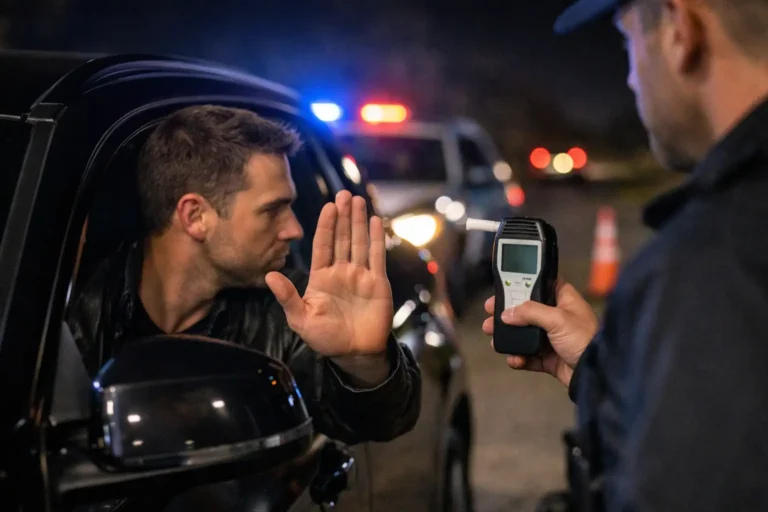
Breath testing can be powerful evidence, but it is not untouchable. A breath result is only as reliable as the machine, the operator, the maintenance records, and the testing procedure. If any part of that chain is weak, the defense may challenge the result.
Issues can include improper observation periods, radio frequency interference, calibration problems, operator error, or physiological factors that affect the reading. Certain medical conditions, residual mouth alcohol, and timing issues can distort results. The state still has to show the test was administered in compliance with legal and technical requirements.
There is also a difference between a number on a printout and proof beyond a reasonable doubt. A lawyer reviewing the records will look at whether the machine was functioning correctly, whether required procedures were followed, and whether the result fits the rest of the evidence.
Blood test cases can also be challenged
Some people assume blood tests cannot be attacked. That is not true. Blood evidence raises its own set of questions. Was the blood draw lawful? Was the sample handled correctly? Was the chain of custody preserved? Was the testing method reliable? Were there delays, contamination risks, or paperwork gaps?
A blood result may sound decisive, but if the state cannot prove the sample came from the right person, was stored properly, and was tested according to accepted standards, the result may be less persuasive than it first appears.
Officer credibility and inconsistent reports
DUI cases often come down to credibility. Officers are trained observers, but they are still human. They can exaggerate, misremember, copy language from standard report templates, or leave out details that do not support arrest.
That is why careful comparison matters. The report, body camera, dash camera, breath test records, dispatch logs, and hearing testimony should all line up. If they do not, the defense may have a strong argument that the investigation was incomplete, overstated, or unreliable.
Small inconsistencies are not always enough by themselves. But several inconsistencies together can matter a great deal. A judge or jury may start to question whether the state’s version is accurate from beginning to end.
Miranda, statements, and procedural mistakes
Not every DUI defense is about driving or chemical testing. Sometimes the issue is what the officer asked, when the questions were asked, and whether your statements should be used at all. If a driver was effectively in custody and questioned without proper warnings, certain statements may be challenged.
Procedural errors can also affect license consequences, admissibility, and overall case strength. Deadlines matter. Notice issues matter. Hearing issues matter. DUI cases move quickly, and missing the early steps can limit options later.
Why timing matters in a DUI defense
The best defenses to a DUI stop often depend on evidence that does not wait around. Video can be overwritten. Witness memories fade. Tow records, receipts, location data, and other supporting information can disappear faster than people expect.
Early defense work is not about creating drama. It is about preserving facts before they are gone. In South Carolina, where DUI cases can involve both court consequences and license issues, fast action can make a real difference in how much control you keep over the process.
That is especially true for first-time defendants who have never dealt with the criminal system before. Waiting usually helps the state, not the defense.
What to do if you think the DUI stop was flawed
Start by assuming the case needs a full review, not a guess. Do not rely on the officer’s summary alone, and do not assume an arrest means the case is solid. Many DUI charges look stronger on paper than they do after a close inspection of the stop, the investigation, and the testing process.
Write down everything you remember as soon as possible. Where you were coming from, what you said, what the officer said, what tests were given, the road conditions, the weather, and whether the encounter was recorded can all matter. Save paperwork. Keep bond documents, tow information, and notices related to your license.
Most important, get the case in front of a defense lawyer quickly. A disciplined review can identify whether the best path is challenging the stop, attacking the testing, negotiating from a stronger position, or preparing for trial. At Carolina Criminal Defense, that kind of early strategy is often what separates panic from a plan.
If you are facing a DUI charge, the right question is not whether the arrest feels serious. It is whether the state can actually prove its case after every part of the stop is tested the way it should be.