Does Refusing a Breath Test Help in South Carolina?
A DUI stop can turn from a roadside conversation into a high-pressure decision quickly. Does refusing a breath test help? In South Carolina, the honest answer is that it depends on which test the officer is requesting, what evidence already exists, and what consequences you are trying to avoid. Refusal is not a simple way to make a DUI case disappear. It can create a separate license problem while still leaving the State with evidence to prosecute.
The decision should never be based on a slogan such as always refuse or always blow. A careful DUI defense begins by identifying the exact stage of the investigation, reviewing what the officer said and did, and protecting deadlines that can affect your ability to drive.
Does Refusing a Breath Test Help Your DUI Case?
Refusing an official breath test may limit one type of evidence: a numerical breath-alcohol result. If there is no test result, the prosecutor cannot point to a specific breath-alcohol concentration at trial. That can matter in some cases.
But a DUI charge does not require a breath-test number. South Carolina prosecutors may rely on an officer’s observations, driving behavior, statements, field sobriety exercises, body-camera or dash-camera footage, witness accounts, and other evidence. If an officer claims a driver was speeding, crossing lanes, smelled of alcohol, had bloodshot eyes, or performed poorly on roadside tests, that evidence may still be used to support a DUI allegation.
The refusal itself may also become evidence. A prosecutor may argue that a person refused because they believed the test would show alcohol or drugs. The defense can challenge that argument and explain other reasons someone might hesitate, including confusion, medical concerns, distrust, panic, or an unclear explanation from law enforcement. Still, refusal is not invisible. It becomes part of the case that needs to be addressed strategically.
In short, refusing may remove a number from the State’s evidence, but it can add complications of its own. Whether that tradeoff helps depends on the facts, not on a one-size-fits-all rule.
Know Which Breath Test the Officer Means
People often use the term breath test to describe two very different requests.
The roadside screening device
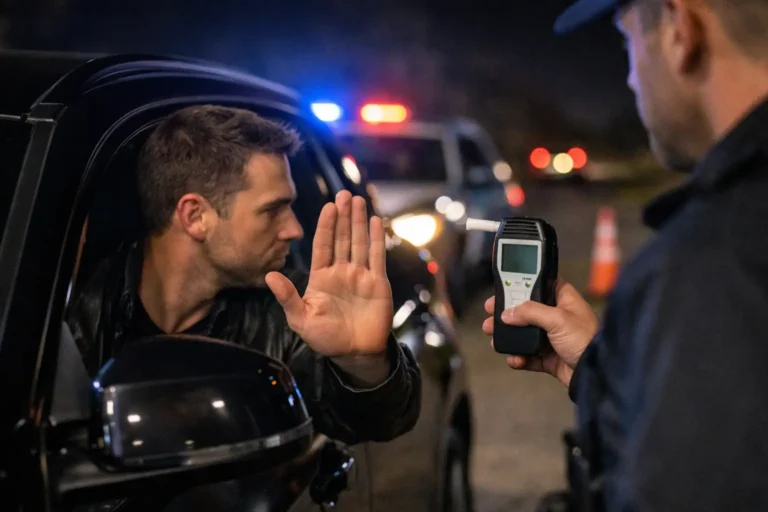
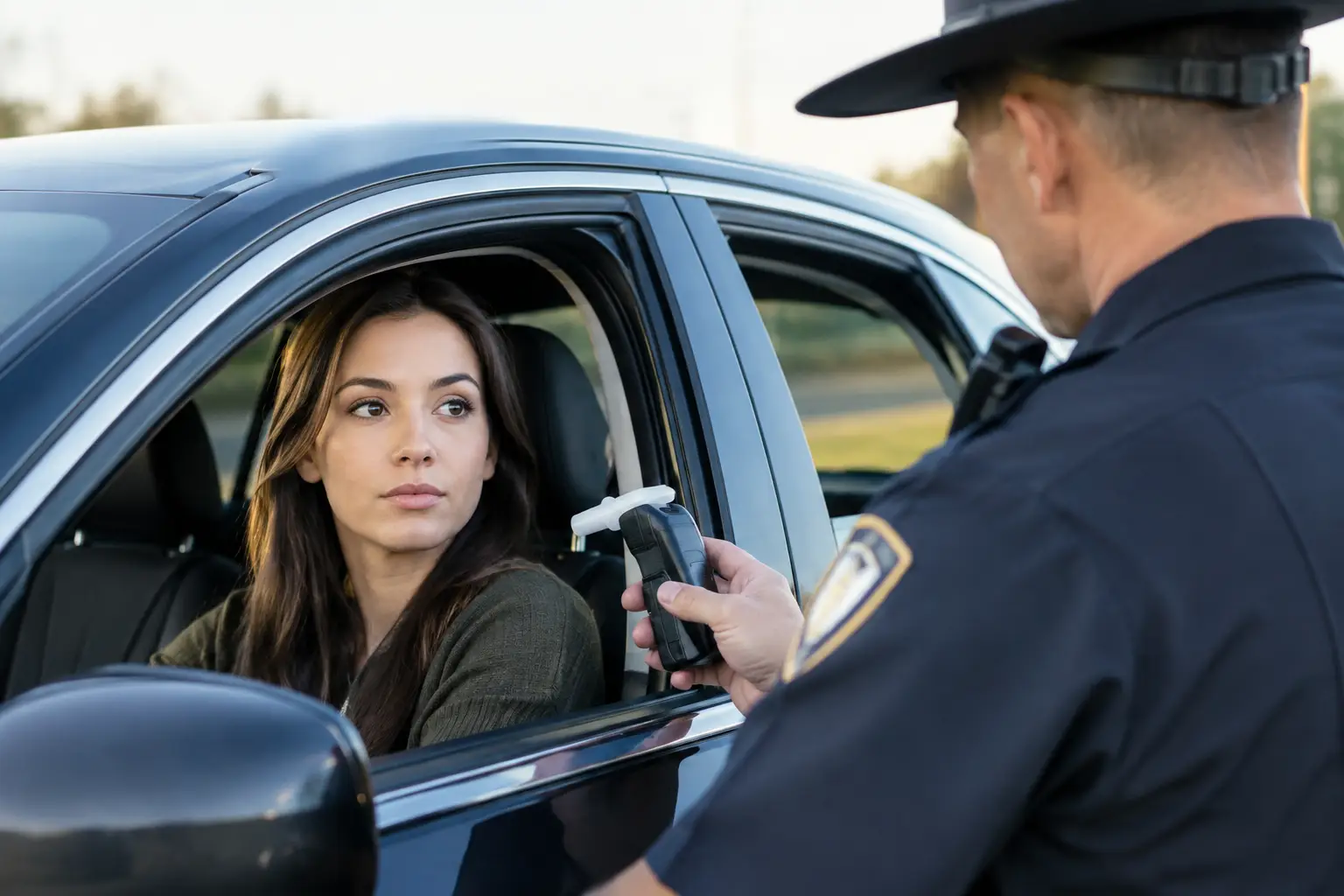
During a traffic stop, an officer may ask a driver to blow into a portable roadside device. This is often part of the officer’s effort to decide whether there is probable cause for an arrest. The rules, purpose, and consequences surrounding a roadside screening test are different from the official chemical test requested after an arrest.
A roadside encounter can also involve questions and field sobriety exercises. What happens during this stage may later be central to the defense. Video footage can reveal whether instructions were clear, whether road or weather conditions affected performance, and whether the officer’s report matches what actually happened.
The post-arrest chemical test
After a DUI arrest, an officer may request an official breath test under South Carolina’s implied-consent law. This is the decision that can trigger an administrative driver’s license suspension for refusal.
Before requesting the test, law enforcement must provide an implied-consent advisement. The wording matters. The officer should explain the consequences of refusal and the rights associated with testing. A defense lawyer will want to examine the recording, the written paperwork, the timing of the request, and whether the required procedure was followed.
The Immediate License Risk of Refusal
For many people, the biggest consequence of refusing the post-arrest test is not the criminal charge. It is the risk to their driving privilege.
A refusal can lead to an immediate administrative suspension of your South Carolina driver’s license, separate from the DUI prosecution. The suspension commonly begins before a criminal court decides whether you are guilty of DUI. For a first refusal, the suspension is generally six months, although prior incidents and specific circumstances can change the consequences.
This matters to people who need to drive to work, transport children, attend school, or meet family responsibilities. The criminal case may take time, but a license issue can begin immediately.
There is also a short deadline to challenge the suspension. In many South Carolina implied-consent cases, a hearing request must be made within 30 days. Missing that deadline can significantly limit your options. A prompt case review can determine whether a hearing is available, whether temporary driving privileges may be possible, and what must be done to preserve your position.
Refusal Does Not Prevent Other Chemical Evidence
Refusing a breath test does not necessarily prevent the State from obtaining chemical evidence. Depending on the facts, officers may pursue a warrant for a blood sample. A blood test can be used to evaluate alcohol or drugs, and questions about the warrant, collection process, laboratory handling, and testing procedures may become important in the defense.
Drug-impaired driving cases present another complication. A breath test does not measure most drugs, so a low or absent breath-alcohol reading does not necessarily end an officer’s investigation. Prosecutors may instead rely on alleged impairment observations, blood evidence, prescription records, or testimony from officers with specialized training.
That is why the useful question is not simply whether refusing keeps evidence out. The better question is what evidence exists, how it was obtained, and whether law enforcement followed the law at every stage.
When Refusal May Be Worth Examining Closely
Refusal can become a meaningful defense issue when law enforcement did not provide the required implied-consent notice, when video contradicts the officer’s account, or when there are questions about whether the arrest was lawful in the first place. It can also matter if the officer’s request was confusing or the driver had a medical condition that affected the ability to provide an adequate breath sample.
For example, an asthma condition, respiratory limitation, anxiety episode, or unclear instruction may affect whether an alleged refusal was truly willful. Mechanical issues, lengthy delays, missing recordings, and incomplete paperwork may also require close review.
None of those facts automatically erase a suspension or DUI charge. They do, however, show why a refusal case should be investigated rather than assumed to be hopeless. A strong defense is built from the actual evidence, not from the label on the charge.
What to Do After a Breath-Test Refusal
If you have already refused a test, do not try to explain the situation away through texts, social media posts, or conversations with people who were not there. Preserve any paperwork you received, including the notice of suspension and any hearing information. Write down what you remember while the details are fresh: the reason for the stop, what the officer said, whether you were read your rights, what tests were requested, and whether cameras were present.
Then act quickly. The license deadline may arrive long before your first court date. An experienced South Carolina DUI defense attorney can assess the administrative suspension and the criminal charge at the same time, request and review available recordings, and identify evidence that may support a defense.
Carolina Criminal Defense approaches DUI cases with attention to the details that affect both the case and the client’s daily life. For someone facing a refusal allegation in York County, Rock Hill, Fort Mill, or elsewhere in South Carolina, early action can protect options that become harder to recover once deadlines pass.
A breath-test refusal is a serious decision with real consequences, but it is not the final word on your future. The most productive next step is to get clear advice on your specific facts before a license deadline or court date puts you at a disadvantage.