Drug Possession Versus Distribution
A lot can turn on a few facts that seem small at first – how a substance was packaged, where it was found, whether cash was present, or what was said during a traffic stop. In South Carolina, drug possession versus distribution is not a minor distinction. It can change the severity of the charge, the prosecution’s theory, and the pressure a person faces from the start of the case.
If you or a family member has been arrested, the first question is often simple: am I charged with having drugs for personal use, or are police claiming I meant to sell them? That line is not always as clear as people think. Prosecutors do not need to catch a hand-to-hand sale to pursue a distribution case, and officers often build that allegation from surrounding circumstances.
Why drug possession versus distribution matters so much
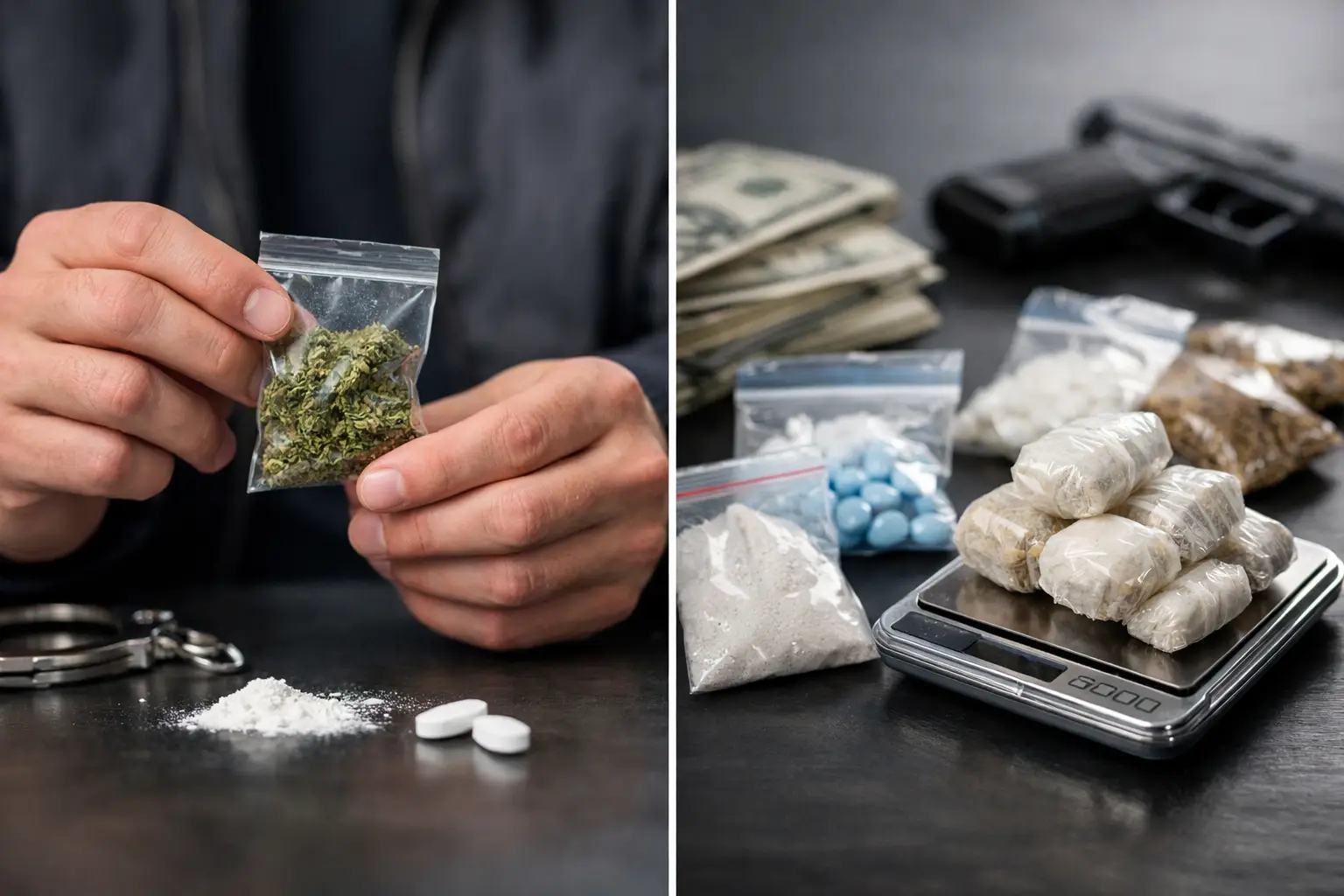
A possession charge usually centers on personal use. A distribution charge, or an allegation that someone possessed drugs with intent to distribute, carries a different accusation entirely. It suggests commercial activity, trafficking behavior, or preparation to sell, deliver, or transfer controlled substances to another person.
That difference matters because distribution-related charges often bring steeper penalties, more serious bond concerns, and greater long-term damage to employment, housing, licensing, and reputation. It also changes how the case should be defended. A lawyer is no longer just questioning whether the substance was yours. The defense may also need to challenge the assumptions police made about intent.
For many first-time defendants, this is where panic sets in. They think, “I was not selling anything, so this will sort itself out.” That is a risky assumption. Once law enforcement labels a case as distribution-related, the state often treats it as a more serious public-safety issue from day one.
What police look at when deciding between possession and distribution
The amount of the drug matters, but quantity alone is not always the whole case. A small amount may support a simple possession charge, while a larger amount may lead officers to suspect intent to distribute. Still, the state often looks at the full picture rather than a single number.
Quantity, packaging, and cash
Police commonly point to individually wrapped bags, multiple containers, scales, ledger-style notes, large amounts of cash, or text messages they believe show sales activity. Even ordinary items can be cast in a bad light if officers think they fit a distribution pattern.
That does not mean the accusation is correct. Cash can come from work. Multiple bags can have innocent explanations. Shared spaces, borrowed cars, or group settings can create confusion about who owned what. But in real cases, those facts are often used to push a charge beyond possession.
Statements made during a stop or arrest
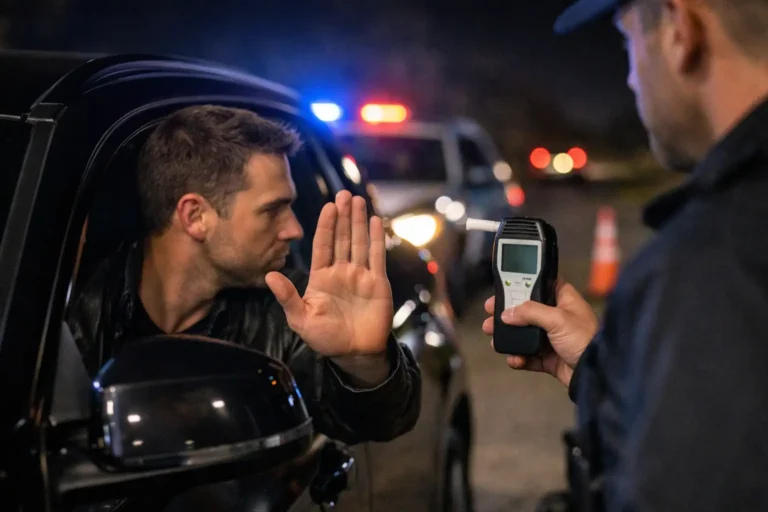
People under stress say things they would never say after speaking with counsel. A casual comment, a joke, an attempt to explain, or an effort to protect someone else can become part of the prosecution’s theory. If police believe your own words support intent to distribute, they will use that.
Phones, vehicles, and residences
Distribution investigations often go beyond what was found in a pocket. Officers may search a vehicle, seek consent to search a home, or later apply for warrants involving phones and electronic communications. That broader evidence hunt is one reason early legal intervention matters. A case that starts with a traffic stop can expand quickly.
Possession does not always mean simple possession
One of the most important things to understand is that a person can be charged with a distribution-related offense even if no sale happened in front of law enforcement. South Carolina cases often involve allegations of possession with intent to distribute. In plain terms, that means the state claims the person had drugs and planned to sell or transfer them.
That is where facts become contested. The prosecution may say the amount was too large for personal use. The defense may show there was no reliable evidence of sales activity, no meaningful forensic link to the accused, or no lawful basis for the search that uncovered the drugs in the first place.
This is also where context matters. Drugs found in a shared apartment, in a passenger area of a car, or near several people at a party raise possession issues before intent is even addressed. The state still has to connect the evidence to the right person and prove the required level of knowledge and control.
Common defense issues in drug possession versus distribution cases
A strong defense starts by slowing the case down and testing every assumption. In drug possession versus distribution prosecutions, the state often presents a neat story early. That story may look far less certain once the evidence is examined closely.
Search and seizure problems
Traffic stops, consent searches, dog sniffs, vehicle searches, and residential warrants all raise constitutional questions. If police stopped a car without a valid reason, extended the stop unlawfully, searched without proper consent, or relied on a weak warrant, key evidence may be vulnerable.
Constructive possession
Just because drugs were found near you does not automatically mean they were legally yours. In shared vehicles or homes, prosecutors often rely on constructive possession, arguing that the person had knowledge of and control over the drugs. That can be a difficult issue for the state when multiple people had access to the same area.
Intent to distribute
Intent is often inferred, not directly proven. That opens the door to challenge. Was the amount truly inconsistent with personal use? Were the bags, scale, or cash really linked to distribution? Did police overstate what text messages meant? Did they ignore facts that pointed the other way?
Lab testing and chain of custody
The prosecution must still prove what the substance was. Lab issues, handling errors, and chain-of-custody gaps can matter. They do not appear in every case, but when they do, they can affect both the charge and the state’s confidence in trial.
What to do after an arrest or investigation
The hours right after an arrest matter more than most people realize. Bond conditions, statements, phone content, and search issues can shape the direction of the case before the first court date. Waiting to “see what happens” usually gives the state a head start.
Start by saying less, not more. Do not try to explain the case to officers. Do not try to clean up facts through texts or calls. Do not assume conversations from jail are private. Preserve paperwork, court dates, and any details you remember about the stop, search, or arrest.
Then get a defense lawyer involved early. A lawyer can assess the actual charge, the alleged basis for intent to distribute, the legality of the search, and the immediate risks tied to bond, employment, and future court exposure. In many cases, early strategy affects whether the prosecution’s first version of the case hardens or gets challenged before it gains momentum.
Why local court experience can change the defense
Drug cases are not handled in a vacuum. The facts matter, but so do the court, the solicitor’s office, the officers involved, and the practical habits of the local system. In York County and surrounding South Carolina courts, knowing how these cases are typically charged and litigated can help shape a smarter response from the start.
That does not mean outcomes are automatic. It means preparation is specific. A disciplined defense looks at the paper trail, the officer reports, the search timeline, the charging decision, and the pressure points that may not be obvious to someone seeing the system for the first time.
At Carolina Criminal Defense, that approach starts with treating the case like it matters now, not later. When someone is facing a possession allegation that could be framed as distribution, clarity and early action are not extras. They are part of protecting the person behind the charge.
The charge is serious, but the accusation is not the final word
Being accused of distribution can feel like the system has already decided who you are. That is often the hardest part for people with no record, steady jobs, families, and a lot to lose. But a charge is still an accusation, and these cases often turn on details that deserve careful scrutiny.
If you are dealing with a South Carolina drug case, focus on getting clear advice early, protecting your rights, and resisting the urge to talk your way out of a problem. The right next step is not guessing what the state will do. It is making sure someone is ready to challenge it.