DUI Checkpoint Defense Strategies That Matter
A DUI checkpoint case can feel unfair from the first moment. You may have been stopped without weaving, speeding, or causing any problem at all, and now you are facing a criminal charge, a license issue, and questions about what the officer did and did not have the right to do. That is why dui checkpoint defense strategies need to start early, with a close review of how the stop happened, what the officers observed, and whether the state can prove the case the way it claims.
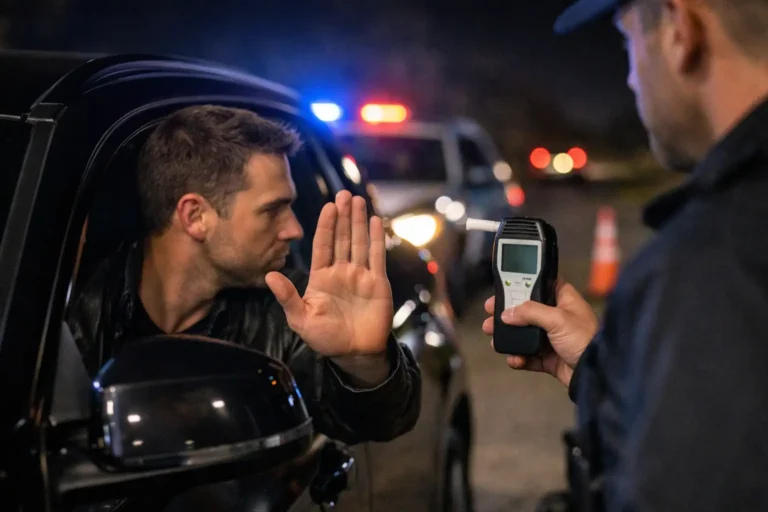
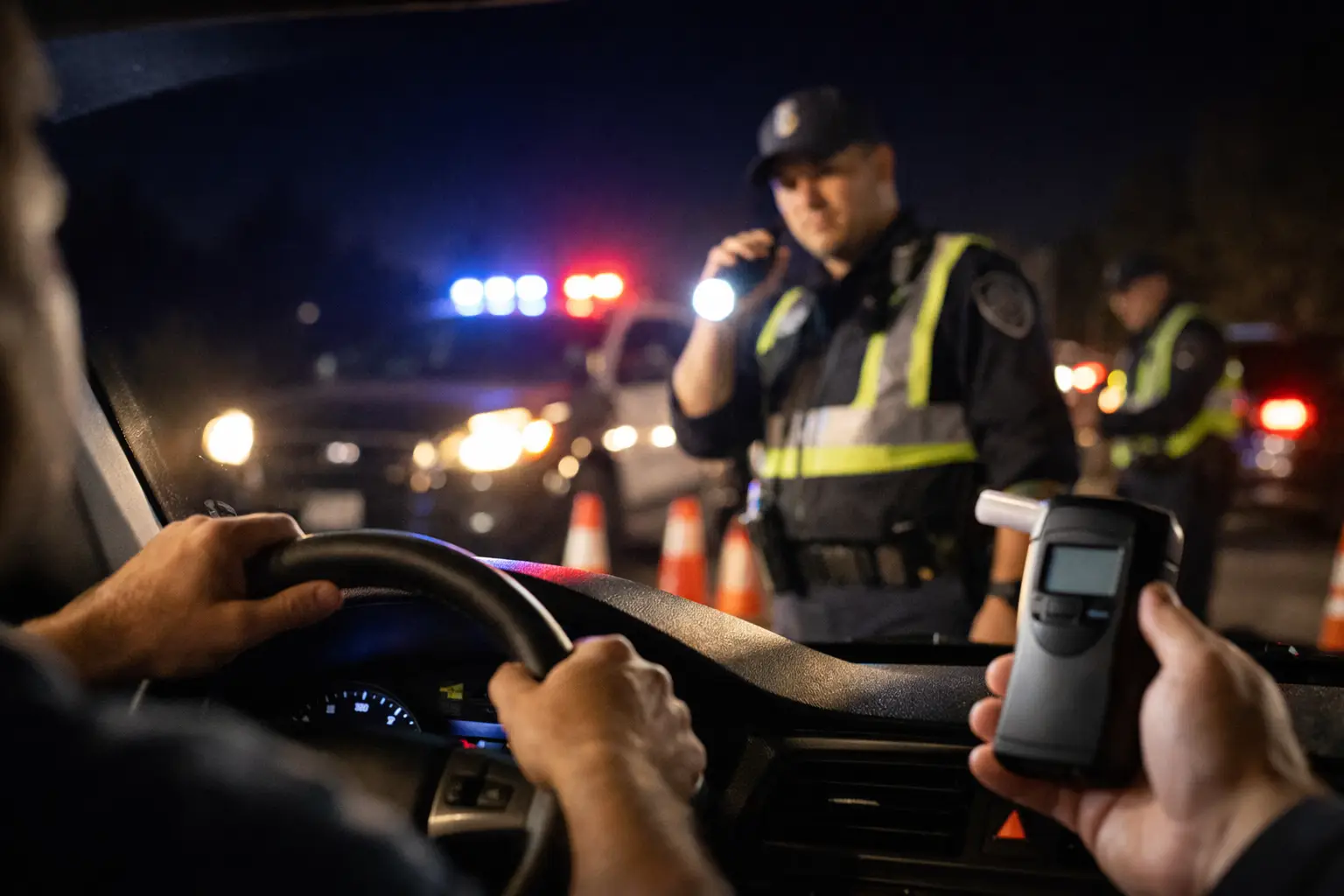
Checkpoint cases are different from ordinary traffic stops. In a typical DUI arrest, an officer usually points to a specific driving behavior as the reason for the stop. At a checkpoint, the state relies on the legality of the checkpoint itself. That changes the defense analysis in a meaningful way. The case is not only about blood alcohol content or field sobriety tests. It is also about planning, supervision, notice, neutrality, and whether the stop followed constitutional limits.
Why DUI checkpoint defense strategies are case-specific
Not every checkpoint arrest should be defended the same way. Two drivers can be arrested at what appears to be the same roadblock and still have very different defenses. One case may turn on whether the checkpoint was lawfully established. Another may focus on whether the officer extended the detention without valid grounds. A third may depend on whether the arresting officer can explain the field sobriety tests in a credible, consistent way.
That is why a disciplined defense starts with records, video, reports, and timing. When a person calls soon after an arrest, there is a better chance to preserve details that matter later. What lane were you directed into? How long were you detained before being asked to step out? Did the officer claim to smell alcohol immediately, or only after a conversation began? Small facts can shape major legal arguments.
Start with the legality of the checkpoint
One of the most important dui checkpoint defense strategies is to examine whether the checkpoint was lawful before your vehicle was ever stopped. Police cannot simply choose a road, pull over cars at random, and call it a valid checkpoint. Courts look at whether there was a neutral plan, whether supervisory personnel approved the operation, and whether field officers had too much discretion in deciding who to stop.
The details matter. A checkpoint may raise legal concerns if officers were stopping some cars and waving others through without a clear formula. It may also matter whether there was advance planning, proper safety measures, visible police presence, and a setup designed to reduce arbitrary enforcement. If the checkpoint itself was not conducted within legal limits, the defense may have grounds to challenge the stop from the beginning.
In South Carolina cases, this analysis is practical, not academic. The question is whether the state can show that officers followed a constitutionally acceptable process. If it cannot, the evidence gathered after the stop may become vulnerable to challenge.
What happened after the initial stop matters too
Even if a checkpoint is generally lawful, that does not automatically make every detention and arrest lawful. Officers still need a valid basis to extend the stop beyond the initial checkpoint contact. A brief exchange at a roadblock is one thing. Pulling a driver aside for further investigation is another.
This is where observation evidence becomes central. The officer may claim bloodshot eyes, slurred speech, an odor of alcohol, confusion, open containers, or admissions about drinking. Some of those observations are subjective. Some can be explained by fatigue, stress, allergies, late-night work schedules, or simple nervousness. A defense lawyer should compare those claims against body camera footage, dash camera footage, and the sequence of events in the reports.
If the officer’s stated reasons do not line up with the video or the timing, that can weaken the prosecution’s argument that further detention was justified. It can also affect how the court views everything that happened next.
Field sobriety tests are often treated as stronger than they are
Many people assume field sobriety tests are scientific. In reality, they are officer-administered exercises that depend heavily on instructions, conditions, and interpretation. At a checkpoint, drivers are often tired, anxious, and standing on uneven pavement with flashing lights in their face. Those conditions can affect performance even when alcohol is not the real reason.
A careful defense looks at how the tests were introduced and conducted. Were the instructions clear? Did the driver have footwear, medical issues, injuries, age-related limitations, or balance problems that affected performance? Was traffic passing nearby? Was the surface level and safe? These are not side issues. They go directly to whether the test results mean what the officer says they mean.
The same is true for how the officer describes the clues of impairment. If the report uses broad conclusions without specific supporting facts, the defense may be able to challenge the weight and reliability of that testimony.
Chemical test evidence is not beyond challenge
Breath or blood evidence can be powerful, but it is not automatic proof that the state’s case is solid. Another of the core dui checkpoint defense strategies is to closely review the testing procedure, machine records, observation period, maintenance issues, and chain of custody when blood is involved.
A high number may shape the prosecution’s approach, but the legal questions remain. Was the arrest supported by probable cause before the test was requested? Was the testing process handled correctly? Are there inconsistencies between the officer’s observations and the chemical result? Was there a refusal allegation, and if so, how was it documented?
For many clients, the license consequences move just as fast as the criminal case. That means the defense has to account for both tracks at once. Waiting too long can limit options and make a hard situation harder.
The officer’s paperwork can help the defense
Checkpoint cases often generate multiple reports, logs, and video sources. That can help the state, but it can also expose weaknesses. A common defense problem for the prosecution is inconsistency. One report may say the driver admitted drinking two beers. Another may leave that out. Video may show a calm, responsive driver while the narrative describes confusion or poor coordination.
These conflicts matter because DUI cases often depend on officer credibility. If the state’s witnesses overstate observations, skip important details, or contradict the recordings, the defense can use that to challenge probable cause, the reliability of the investigation, and the strength of the prosecution’s version of events.
This is one reason early case preparation matters. Video does not always stay available forever, and memories do not improve with time.
Practical DUI checkpoint defense strategies after an arrest
If you were arrested at a checkpoint, your next moves matter. Do not assume the case is routine or hopeless because the stop happened in an organized police operation. Many people make the mistake of focusing only on whether they had anything to drink. The legal analysis is wider than that.
Start by writing down what you remember while it is still fresh. Note where the checkpoint was, what officers said, whether every car was stopped, how long you waited, what tests were given, and whether any cameras were visible. Save paperwork and bond documents. Pay attention to deadlines affecting your license. And speak with a DUI defense lawyer before making assumptions about the strength of the evidence.
An experienced defense review should look at the checkpoint design, the stop, the detention, the arrest decision, and the testing process as one connected chain. If one important link is weak, the entire case can change.
How a strategic defense changes the direction of the case
A strong checkpoint defense is not about theatrics. It is about disciplined pressure on the right issues. Sometimes that means filing motions challenging the stop or detention. Sometimes it means exposing unreliable field sobriety evidence. Sometimes it means negotiating from a position built on careful factual review rather than guesswork.
It also means being honest about trade-offs. Not every issue leads to suppression. Not every factual dispute wins a hearing. But identifying real weaknesses early can improve decisions at every stage, from administrative license concerns to court strategy. That is especially important for working professionals, parents, and first-time defendants who need to protect both their legal record and their day-to-day stability.
At Carolina Criminal Defense, that early review matters because DUI cases move quickly, and checkpoint cases often look simpler on paper than they are in reality. The police operation may appear organized, but the state still has to prove that the checkpoint was lawful and that every step after the stop met legal standards.
If you are facing a checkpoint DUI charge, the most useful step is not guessing what the case means. It is getting a clear assessment of how the stop was planned, how the investigation was handled, and where the pressure points may be before the case gains momentum.