How Refusal Affects a DUI Case in South Carolina
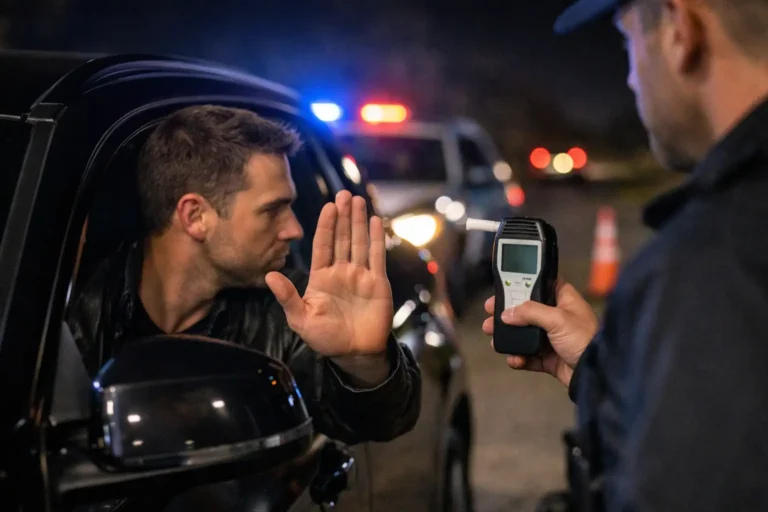
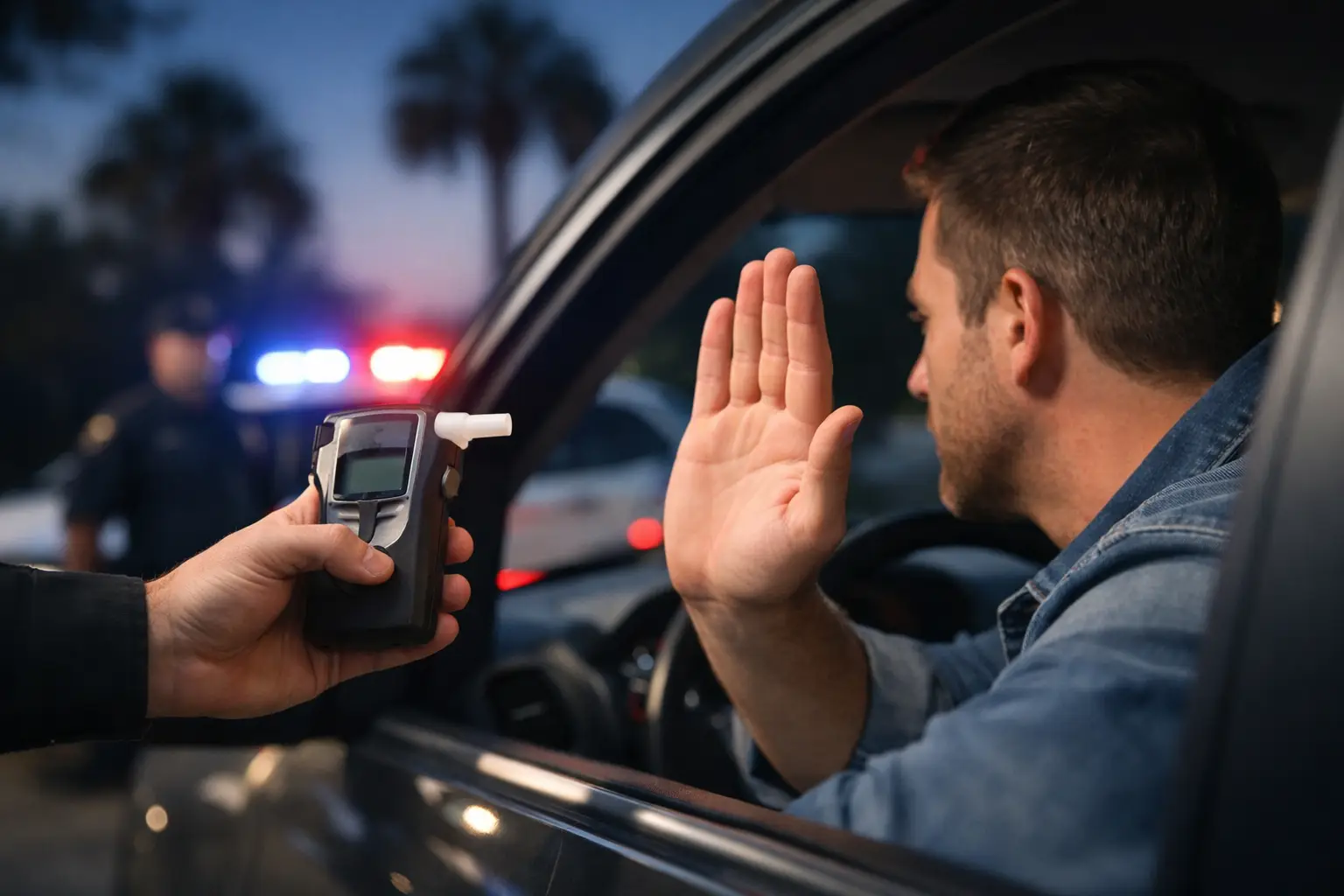
A DUI stop can move quickly. An officer asks for roadside tests, makes an arrest, reads implied-consent warnings, and requests a breath, blood, or urine sample. In that pressure-filled moment, many people believe refusing a test ends the State’s case. It does not. Understanding how refusal affects a DUI case in South Carolina means separating two different problems: the immediate risk to your driving privileges and the criminal DUI charge that may still go to court.
Refusal can create serious consequences, but it is not a conviction and it does not automatically prove impairment. The details matter: what test was requested, when it was requested, what the officer said, whether the legal warnings were properly given, and what other evidence exists.
A Refusal Is Not the Same as a DUI Conviction
South Carolina’s implied-consent law generally applies after a lawful DUI arrest. By driving in the state, a person is considered to have consented to chemical testing of breath, blood, or urine under the circumstances set by law. When an officer requests a chemical test after an arrest and the driver refuses, the refusal can trigger an administrative license suspension.
That suspension is separate from the criminal DUI case. A person may face an immediate driver’s-license problem even before a judge decides guilt or innocence on the DUI charge. Conversely, a person may have a breath result in a DUI case without automatically being convicted. These are related proceedings, but they are not the same proceeding.
This distinction is critical because deadlines can arrive before the first criminal court date. Waiting to see what happens in court can cost someone an opportunity to challenge the suspension or seek driving relief.
Field Tests, Preliminary Tests, and Chemical Tests Are Different
Not every request at a traffic stop carries the same consequences. Roadside coordination exercises, such as the walk-and-turn or one-leg stand, are not chemical tests. A preliminary breath test at the roadside is also different from the evidentiary chemical test requested after arrest.
The implied-consent consequences usually concern the post-arrest chemical test. A defense lawyer should identify exactly what was requested and when. Officers and reports may use the word “refusal” broadly, but the legal significance depends on the type of test, the timing, and the circumstances.
How Refusal Affects a DUI Case and Your License
For a first chemical-test refusal, South Carolina commonly imposes a six-month driver’s-license suspension. The period can increase when there are prior implied-consent suspensions or other relevant history. The arresting officer typically serves notice of the suspension, and the driver receives a temporary license document or other paperwork explaining the next steps.
There is a limited window to request an administrative hearing, generally 30 days from the notice. Missing that deadline can make the suspension far harder to address. Depending on the person’s record and circumstances, a temporary alcohol-restricted license or other restricted driving option may be available, sometimes with ignition-interlock requirements. Eligibility is fact-specific, so assumptions can be costly.
At an administrative hearing, the focus is not whether the person was guilty of DUI beyond a reasonable doubt. The issues are narrower. They can include whether the officer had legal grounds for the arrest, whether the chemical test was properly requested, whether required implied-consent advisements were given, and whether the driver actually refused.
A refusal is not always as clear-cut as an officer’s report suggests. Medical distress, communication problems, confusion about the request, a claimed inability to provide a sample, or an unclear warning can require careful review. The answer depends on the evidence, including video, dispatch records, officer reports, and testimony.
Can the Prosecutor Use a Refusal at Trial?
Usually, yes. South Carolina law permits the State to offer evidence that a defendant refused a properly requested chemical test. A prosecutor may argue that the refusal shows the driver believed a test would reveal alcohol or drugs. That argument can be persuasive to a jury, particularly if other evidence appears to point toward impairment.
But refusal evidence is not the end of the analysis. A defense can challenge whether the officer had a lawful basis to stop the vehicle, whether the arrest was supported by probable cause, whether the advisement was accurate and understandable, and whether the alleged refusal was voluntary and unambiguous.
The prosecutor must still prove the DUI charge. Without a breath result, the State may rely more heavily on driving behavior, observations about speech or balance, field sobriety exercises, officer testimony, video footage, and statements made during the stop. Each source has limits. Poor lighting, uneven pavement, fatigue, anxiety, physical injuries, medical conditions, and unclear video can all change how evidence should be understood.
A refusal can remove one piece of evidence from the State’s case, but it can add another. That is why there is no universal answer to whether refusing was “better” or “worse.” The practical question is what evidence the State actually has and whether it was lawfully obtained.
What a Strong DUI Review Looks For
A serious defense begins with evidence preservation, not guesswork. Video footage can be especially important because it may show the traffic stop, roadside exercises, arrest, implied-consent process, and the alleged refusal in real time. Written reports often summarize events. Video may confirm that summary, contradict it, or reveal key context the report leaves out.
A careful review should examine several questions:
- Why did the officer initiate the traffic stop, and was that reason legally valid?
- What observations supported the decision to request field sobriety exercises and make an arrest?
- Was the implied-consent warning properly given, and did the driver have a meaningful opportunity to understand it?
- Did the driver clearly refuse, or was there confusion, inability, delay, or a medical issue?
- What does the available video show compared with the officer’s written account?
The same facts can affect both the administrative license matter and the criminal charge, but the strategy may differ in each. A hearing may create testimony and preserve evidence early. A criminal defense may involve challenging admissibility, negotiating from a position of preparation, or taking the case to trial when the facts and law support it.
Do Not Let the License Deadline Control the Entire Case
The first instinct after an arrest is often to focus only on getting back to work, picking up children, or keeping a job. Those concerns are real. Still, the fastest way to protect daily life is to address both tracks early: the driver’s-license consequences and the criminal case.
Keep every paper provided at release, including the notice of suspension, bond paperwork, citation, and temporary license documents. Write down what you remember while it is fresh: the reason given for the stop, what you were asked to do, whether you requested clarification, and what was said about testing. Do not alter or delete phone records, messages, or social media posts related to the incident.
It is also wise to avoid discussing the facts with coworkers, acquaintances, or online audiences. A DUI case can involve more than the courtroom. Employment, family responsibilities, professional licensing, and reputation may all be affected. Early legal advice helps put the right deadlines, evidence requests, and defense decisions in order before the case gains momentum.
For people facing a DUI refusal in York County, Rock Hill, Fort Mill, or elsewhere in South Carolina, the goal is not to panic over a single word in an officer’s report. It is to get the records, protect the deadline, and build a clear response around what actually happened. A refusal creates risk, but careful action taken early can protect far more than a driver’s license.