Jury Trial vs Plea Deal: What to Weigh
When you are charged with a crime, the pressure to decide fast can feel overwhelming. The choice between a jury trial vs plea deal is not just a legal question. It is a decision that can affect your job, your license, your family, your record, and what your life looks like months or years from now.
A lot of people assume one option is always safer. It is not that simple. In some cases, a plea deal is the smartest move because it limits risk and gives you a controlled outcome. In other cases, taking the case to a jury is the right call because the evidence is weak, the facts are disputed, or the plea offer asks you to give up too much.
Jury Trial vs Plea Deal: Why the Choice Matters
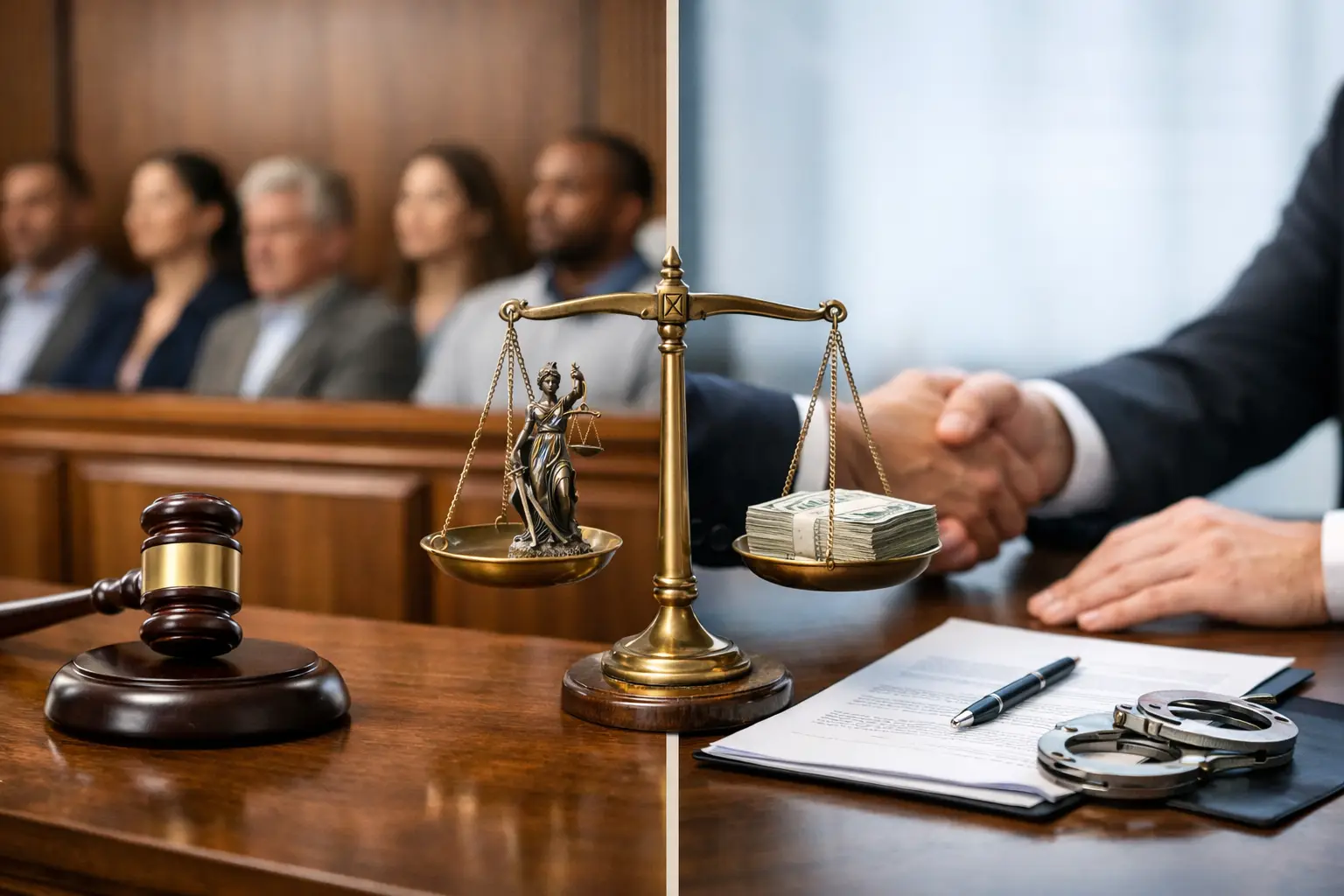
Most criminal cases do not end in a full jury trial. They resolve through negotiation, dismissal, diversion, or a guilty plea to some charge. That does not mean trial is rare because it is a bad option. It usually means both sides are constantly measuring risk.
For the person accused, that risk is personal. A plea deal may reduce uncertainty, but it also usually means accepting a conviction or some other formal consequence. A jury trial preserves the chance of a not guilty verdict, but it also exposes you to the possibility of a harsher result if the jury convicts.
That is why this decision should never be made based on fear alone. It should come from a hard look at the evidence, the legal issues, the likely witnesses, the judge, the prosecutor, and the real-world consequences of each path.
What a Plea Deal Really Means
A plea deal is an agreement between the prosecution and the defense. In exchange for pleading guilty or no contest, the State may reduce the charge, recommend a lighter sentence, dismiss other charges, or agree to another negotiated result.
That sounds straightforward, but the details matter. One plea might avoid jail but still create serious problems for your driver’s license, professional licensing, immigration status, gun rights, or future background checks. Another plea may seem minor on paper but carry long-term consequences that are worse than the short-term stress of fighting the case.
A plea deal can be a strong result when it limits exposure and protects what matters most to you. If the evidence is strong and the negotiated terms meaningfully reduce the damage, resolving the case may be the most responsible decision. That is especially true when the cost of losing at trial is much higher than the plea offer.
Still, a plea should never be treated like paperwork. It is a conviction decision. Before accepting one, you need to know exactly what you are admitting, what sentence can be imposed, and what follows you after court ends.
What a Jury Trial Puts in Play
A jury trial shifts the decision to citizens who hear the evidence and decide whether the State proved guilt beyond a reasonable doubt. That standard matters. The prosecutor does not win because the accusation sounds serious or because an arrest was made. The State has to prove the case.
That is where weak investigations, inconsistent witnesses, bad assumptions, and shaky forensic claims can start to matter. Trial is the forum where the defense can challenge the evidence in full view, cross-examine witnesses, expose gaps, and force the State to meet its burden.
But trial is also unpredictable. Even strong defenses carry risk. Witnesses may present differently in court than expected. Jurors bring their own experiences into deliberations. A legal issue that looks important in preparation may not land the same way in the courtroom.
Trial also takes time, preparation, and emotional stamina. For some clients, that is worth it. For others, especially where the plea offer is fair and the defense risks are significant, it may not be.
The Factors That Usually Drive the Decision
The right choice often turns on a few core questions.
First, how strong is the State’s evidence? A case built on unreliable identification, weak police work, conflicting statements, or questionable testing is different from one backed by admissions, video, physical evidence, and credible witnesses.
Second, what does the plea actually offer? If the prosecutor is offering a meaningful reduction with manageable consequences, that deserves serious attention. If the offer barely improves your position, trial may make more sense.
Third, what happens if you lose at trial? This is one of the biggest pressure points in criminal cases. Sometimes the gap between the plea offer and the likely sentence after conviction is narrow. Sometimes it is dramatic. That gap changes the entire analysis.
Fourth, what matters most in your life outside court? For one person, avoiding jail is the top priority. For another, protecting a professional license or avoiding a violent conviction matters more. For a parent, a case outcome may affect custody or household stability. Strategy has to reflect real life, not just the charge sheet.
Jury Trial vs Plea Deal in DUI and Other Common Cases
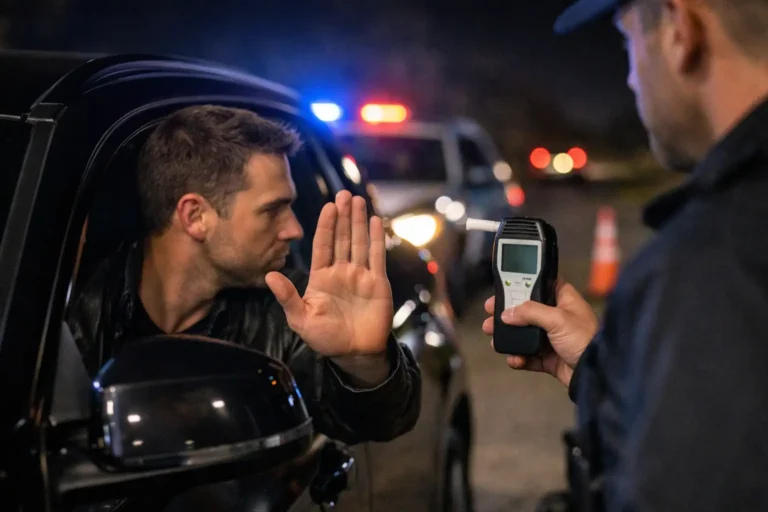
In South Carolina, this choice can look very different depending on the charge. In a DUI case, for example, issues like the traffic stop, field sobriety testing, body camera footage, breath test procedure, and officer credibility can create trial defenses that are stronger than they first appear. On the other hand, some DUI cases involve evidence that is difficult to overcome, and negotiated outcomes may offer the best way to control sentencing and collateral damage.
In domestic violence, assault, theft, drug, and weapons cases, the analysis also changes with the facts. Some cases depend heavily on one witness. Some involve search issues or statements to law enforcement. Some are overcharged early and become more reasonable only after the defense pushes back with records, mitigation, and preparation.
That is why broad advice does not help much. The decision has to be tied to your facts, your risks, and the local reality of how the case is likely to move.
Why Early Defense Work Changes the Leverage
Many people think the trial decision happens at the end of the case. In reality, the groundwork starts early. A defense lawyer who moves quickly can gather records, preserve video, identify witnesses, review the charging decision, and spot legal issues before the State’s version hardens into the only version anyone hears.
That early work does two things. It improves trial readiness, and it improves negotiation strength. Prosecutors take cases more seriously when they know the defense is prepared to challenge the evidence and take the case to trial if needed.
This is one reason clients often make better decisions when they are not rushing. A plea deal offered early may look attractive simply because the person charged is scared and exhausted. Once the evidence is reviewed and the risks are clearer, that same offer may look far less reasonable. Sometimes the opposite happens, and a plea becomes more appealing after an honest review shows the case is stronger than expected.
The Biggest Mistake People Make
The biggest mistake is treating the decision like a personality test. Going to trial does not make someone reckless. Taking a plea does not make someone weak. Good criminal defense is not about pride. It is about judgment.
The question is not which option sounds tougher. The question is which option better protects your future based on the facts in front of you.
A disciplined lawyer should be able to tell you both the strengths and the risks. If there are real trial issues, you should hear that clearly. If the plea offer avoids serious exposure and makes strategic sense, you should hear that too. You need candor, not pressure.
How to Think About the Decision Clearly
If you are weighing a jury trial vs plea deal, start by asking for a direct explanation of the evidence, the best defense issues, the sentencing range, and the practical consequences of each outcome. Ask what changes if the case is tried and lost. Ask what a conviction means beyond court fines or jail, including your record, employment, insurance, and family life.
Most of all, make sure the decision is being made with preparation behind it. Fear can push people into bad choices. So can false confidence. The right path is usually the one backed by facts, tested assumptions, and a strategy built for your case rather than someone else’s.
If you are facing charges, you do not need to have every answer immediately. You do need a clear read on the risks, a realistic plan, and counsel that is ready for both negotiation and trial if that is what your case requires.