
South Carolina Traffic Offense Guide
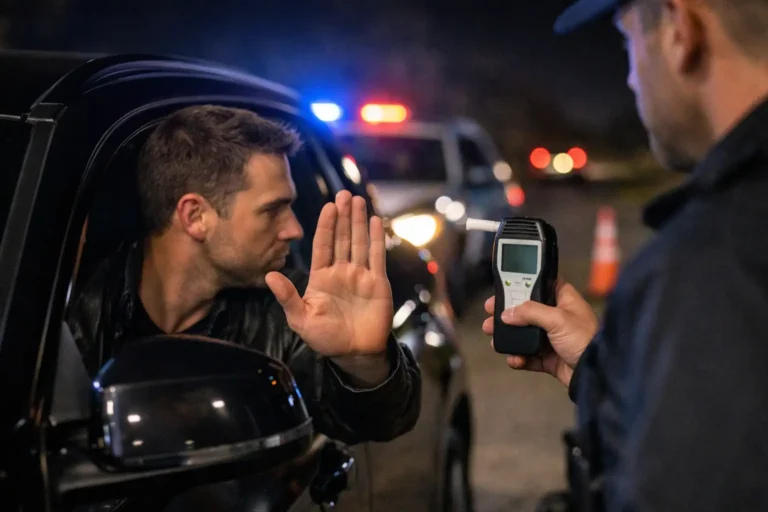
A flashing blue light in your rearview mirror can turn an ordinary drive into a problem that follows you for months. This South Carolina traffic offense guide is built for people who need clear answers fast – what the charge means, what could happen next, and when it makes sense to get a defense lawyer involved before a traffic case grows into a larger risk.
For many drivers, the first mistake is assuming a traffic ticket is always minor. Some cases are routine and can be resolved without major fallout. Others carry points, higher insurance costs, license consequences, court requirements, or criminal exposure. The difference matters, especially if your job depends on driving, you already have points on your record, or the stop led to something more serious like a DUI charge, a suspended license allegation, or a reckless driving accusation.
What counts as a traffic offense in South Carolina
In South Carolina, traffic offenses range from standard moving violations to criminal-level charges. Speeding, running a stop sign, following too closely, and improper lane changes often begin as citation cases. Even then, they can still affect your driving record and insurance.
Other charges carry more weight. Reckless driving, driving under suspension, habitual traffic offender allegations, leaving the scene, and DUI-related offenses can put much more at stake than a fine. Some cases involve possible jail time, mandatory suspensions, ignition interlock issues, or long-term damage to your record.
That is why a south carolina traffic offense guide should not treat every ticket the same. The right response depends on the charge, your prior record, the county where the case is pending, and whether the officer alleges facts that make the situation worse than the citation first appears.
Why a traffic ticket can become a bigger problem
A lot of people focus on the fine because it is the most visible part of the case. The larger cost is often somewhere else. Points can add up. Insurance premiums can rise. A commercial driver may face employment trouble even over an offense that looks manageable on paper. If you have a prior suspension issue, one more charge may trigger additional penalties.
There is also the court record problem. Some employers, licensing boards, and background checks may see more than you expected. A parent with custody concerns, a professional with a security clearance, or a young adult applying for work may care less about the ticket itself and more about what it suggests on paper.
Then there is the issue of how one traffic stop can branch into other charges. An officer may start with speeding but end with driving under suspension, possession allegations, an open container accusation, or a DUI investigation. Once that happens, the case is no longer just about traffic court convenience. It becomes a defense matter that needs strategy from the start.
The South Carolina traffic offense guide to common penalties
Traffic penalties in South Carolina usually involve some combination of fines, court costs, points, and license consequences. The exact outcome depends on the offense. A standard speeding ticket may be resolved very differently from reckless driving or driving uninsured.
Points are especially important. South Carolina uses a point system, and accumulating too many points can put your license at risk. Even if suspension is not immediate, repeated violations can move you closer to it. For some drivers, the real issue is not one ticket by itself but where it leaves them if another citation comes later.
License suspension can happen for reasons beyond point accumulation. Driving under suspension is its own serious issue. DUI-related matters can trigger administrative and criminal consequences at the same time. Refusal allegations, prior convictions, and bond conditions can also affect your ability to drive legally while the case is pending.
Jail is not part of every traffic case, but it is a real possibility in some offenses. Reckless driving, repeat violations, suspended license cases, and offenses tied to injury or property damage can carry much higher stakes. If the charge includes any possibility of incarceration, it should be taken seriously from day one.
What happens after you get cited
Most people want to know the same thing first: do I just pay this, or do I go to court? The answer depends on the charge and your risk tolerance. Paying a ticket may feel like the fastest way to move on, but in many cases it is also an admission that can trigger points and other consequences automatically.
Court may give you room to challenge the facts, address proof problems, or pursue a better resolution. That does not mean every case should be fought the same way. Sometimes the practical goal is reduction. Sometimes it is damage control. Sometimes the issue is preserving your license or keeping a manageable traffic matter from affecting work or family responsibilities.
If you miss court, ignore the citation, or misunderstand a deadline, the situation can become harder to fix. Bench warrants, suspension issues, and failure-to-appear complications can create a second problem on top of the first. Early action usually gives your lawyer more options.
When to fight the charge and when to focus on the outcome
Not every traffic case turns on dramatic courtroom testimony. Some depend on whether the officer can prove speed reliably, identify the driver clearly, or support a more serious allegation with specific facts. Others are less about technical defenses and more about negotiating a result that protects your record as much as possible.
That is where judgment matters. A first-time speeding ticket may call for one strategy. A reckless driving charge after an accident may call for another. A CDL holder, a nurse, a teacher, or a parent already under financial strain may need a plan centered on avoiding ripple effects rather than simply minimizing the fine.
A disciplined defense looks at the whole picture. What does the evidence show? What does your record look like? Is there a license issue already in play? Is the charge isolated, or did it come with a DUI investigation or another criminal allegation? Good legal advice is not just about whether a charge can be contested. It is about what outcome actually protects your future.
Situations where legal help matters most
Some traffic cases deserve immediate legal attention. DUI and DUI-related license issues are at the top of that list. So are reckless driving charges, driving under suspension, leaving the scene allegations, habitual offender concerns, and any offense involving an accident, injury, or a claim that your conduct endangered others.
You should also take the case seriously if you drive for work, hold a commercial license, have prior traffic convictions, or already have points on your record. The same is true if the citation happened in connection with a vehicle search, an arrest, or questions about drugs, weapons, or alcohol.
In those situations, waiting to see what happens is usually not a strong plan. Early review can help identify deadlines, preserve evidence, and keep a traffic matter from developing into a deeper legal problem.
What to do right now if you were charged
Start by reading the ticket carefully. Check the charge, court date, and location. Do not assume the officer explained everything correctly on the roadside. If your license, insurance, registration, or bond conditions are affected, confirm what you are legally allowed to do while the case is pending.
Write down what happened as soon as possible. Note where the stop occurred, what the officer said, whether field sobriety tests or searches took place, and whether there were passengers or dash cameras involved. Small details are easier to remember now than they will be weeks later.
Then make a decision quickly about whether this is a pay-and-move-on matter or a case that deserves legal review. For many people, especially those in York County and surrounding communities, a short conversation with a defense lawyer early in the process can prevent avoidable mistakes and give you a clear plan instead of guesswork.
A traffic charge does not define you, but how you respond to it can shape what comes next. The smartest move is usually the one that protects your license, your record, and your day-to-day life before a manageable case becomes harder to contain.