Weapons Charges in South Carolina: What Matters First
A weapons charge can turn a routine traffic stop, an argument, or a misunderstanding about a firearm into a serious criminal case. In South Carolina, weapons charges may bring jail exposure, bond restrictions, loss of firearm rights, and consequences that reach into work, family life, and your reputation. What happens in the first days after an arrest can shape the rest of the case.
The right response is not panic or assumptions. It is getting clear about the allegation, protecting your rights, and building a defense strategy before important evidence disappears or the prosecution’s version of events hardens.
Why Weapons Charges Require an Early Response
A firearm or weapon allegation often involves more than the weapon itself. Law enforcement may claim the weapon was unlawfully carried, possessed by someone prohibited from having it, used during another alleged offense, or found during a search. Each theory raises different legal and factual questions.
That distinction matters. A gun found in a vehicle presents different issues than a gun allegedly carried into a prohibited location. A person accused of possessing a firearm after a prior conviction faces a different analysis than someone charged after an encounter in a parking lot. The facts, the location, the officer’s reason for stopping or searching, and the exact wording of the charge all matter.
Early legal work can focus on questions such as whether the stop was lawful, whether the search was properly conducted, who actually possessed the weapon, and whether the State can prove every required element. It can also help prevent avoidable problems after release, including violations of bond conditions.
Common South Carolina Weapons Charges
South Carolina law covers a range of firearm and weapon-related allegations. The charge on a warrant may sound straightforward, but its consequences and possible defenses depend on the circumstances.
Unlawful Carrying or Possession
South Carolina’s firearms laws have changed in recent years, including changes related to lawful open carry for eligible individuals. That does not mean every manner of carrying or possessing a weapon is permitted. Restrictions can still apply based on a person’s legal status, the type of weapon, the location, and the conduct alleged.
For example, certain locations may remain restricted, and a person who is legally prohibited from possessing a firearm may face serious charges regardless of whether the firearm was visible, concealed, loaded, or located inside a vehicle. The details matter more than broad assumptions about what is or is not legal.
Possession of a Weapon During a Violent Crime
A weapon allegation may be added to another charge, such as assault, domestic violence, robbery, drug trafficking, or another offense the State characterizes as violent. These cases can carry substantial additional consequences because prosecutors may argue that the firearm elevated the danger of the alleged conduct.
The presence of a weapon does not automatically establish that it was used, possessed, or connected to the underlying allegation in the way the State claims. A careful defense reviews the timeline, witness statements, video, forensic evidence, and the weapon’s actual location.
Possession by a Prohibited Person
People can be prohibited from possessing firearms for several reasons, including certain prior convictions, active court orders, or other legal disqualifications. These cases require close attention to the alleged prior disqualification and whether it applies under state law, federal law, or both.
A prior record does not answer every question. The nature of the prior offense, the final disposition, any restoration of rights, and the proof connecting the accused person to the firearm may all require review. These cases also can create long-term firearm-rights consequences beyond the immediate criminal charge.
Weapons Allegations Connected to a Vehicle Stop
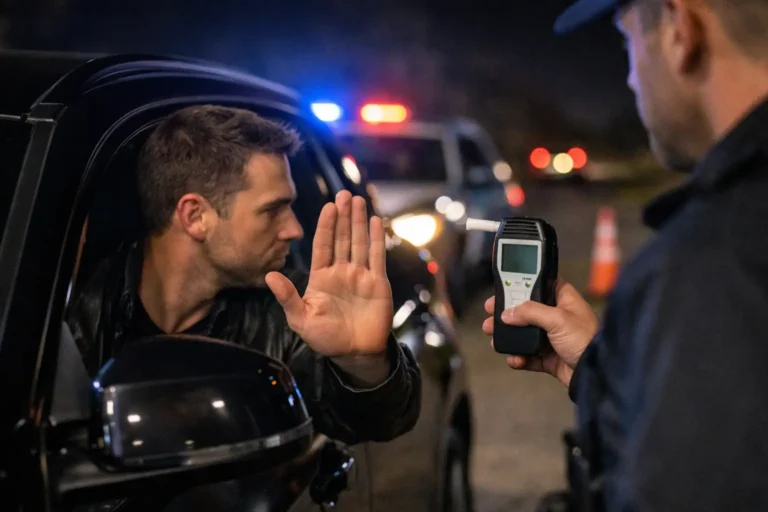
Many weapons cases begin with a traffic stop. An officer may say a vehicle had an equipment violation, a moving violation, suspicious activity, or another basis for the stop. From there, the case may turn on what occurred during the encounter: statements by the driver or passengers, consent to search, a claimed odor, an inventory search, or a search following an arrest.
A gun in a vehicle is not necessarily possessed by every person in that vehicle. Prosecutors generally must connect a particular person to the weapon. Ownership of the car, where the firearm was found, whether it was accessible, and what each person knew can become central issues.
The Search and Seizure Questions That Can Change a Case
A weapon recovered by police may look like powerful evidence. But how officers found it matters. The Fourth Amendment protects people against unreasonable searches and seizures, and South Carolina cases often require close scrutiny of police conduct.
The defense may examine whether officers had a valid reason to stop someone, detain them longer than necessary, search a person or vehicle, or enter a home. A warrant is not required in every situation, but officers must still operate within recognized legal limits. Consent, probable cause, officer safety concerns, and inventory-search procedures can all become disputed issues.
There is no one-size-fits-all answer. Some searches will be upheld. Others may raise serious constitutional concerns. The value of early review is that dash-camera footage, body-camera footage, dispatch records, tow records, and witness recollections are easier to preserve and investigate before time passes.
What to Do After an Arrest or Charge
Your conduct after a weapons arrest can protect your position or create new problems. Bond paperwork deserves careful attention. A court may impose conditions involving firearms, travel, contact with certain people, alcohol or drug use, or additional arrests. Violating those conditions can put bond at risk and complicate the original case.
Take these steps seriously:
- Read every bond condition and follow it exactly, even if you disagree with it.
- Do not discuss the facts of the case on social media, in text messages, or with people who may become witnesses.
- Do not try to retrieve, sell, transfer, or dispose of a firearm connected to the allegation.
- Write down your memory of the encounter, including locations, names, statements, and possible video sources.
- Gather court papers, receipts, registration information, and other records, but do not alter or create evidence.
- Speak with a criminal defense lawyer promptly before giving additional statements to investigators.
This is not about appearing uncooperative. It is about avoiding statements or actions that can be misunderstood, taken out of context, or used to support the prosecution’s theory.
The Personal Consequences Go Beyond Court
For many people, the immediate concern is whether they will go to jail. That concern is real, but it is not the only one. A weapons conviction or pending charge may affect employment, professional licensing, security clearances, custody disputes, housing applications, and the ability to possess firearms in the future.
The collateral consequences depend on the charge, the case outcome, the person’s record, and applicable state and federal law. Some cases may also involve immigration consequences for noncitizens. A defense strategy should account for the person’s future, not only the next court date.
That is particularly true for first-time defendants. A person can make a damaging decision simply because they are unfamiliar with the process and want the situation to end quickly. A plea, a statement, or a bond violation can have effects that remain long after the case leaves the courtroom.
How a Defense Strategy Takes Shape
Good criminal defense begins with facts, not assumptions. The first task is identifying precisely what the State must prove and what evidence it claims to have. From there, a defense lawyer can assess the arrest documents, video, witness accounts, search issues, firearm records, forensic evidence, and the relationship between the weapon and any alleged underlying crime.
Negotiation may be appropriate in some cases. Litigation may be necessary in others. Sometimes the key issue is the legality of a search; sometimes it is possession, identification, credibility, or the absence of a connection between the firearm and the accused. The best path depends on the evidence and the client’s goals.
At Carolina Criminal Defense, the focus is on moving quickly, explaining the situation plainly, and preparing the case as if the facts will need to be tested in court. That preparation helps clients make informed decisions rather than reacting to pressure.
A weapons allegation is serious, but it is not a reason to surrender control of your future. Get the facts, follow your court conditions, preserve what may matter, and seek experienced legal guidance before the next decision becomes harder to undo.