York County Criminal Case Timeline Explained
An arrest can make time feel distorted. The first 24 hours move fast, then the waiting starts, and most people facing charges want the same answer right away: what happens next? If you are trying to understand the york county criminal case timeline, the most useful starting point is this – criminal cases do not move in a straight line, but they do follow a predictable structure.
That structure matters because early decisions can shape the rest of the case. What you say at bond, whether you miss a court date, how quickly evidence is requested, and whether defense work begins before negotiations all affect the outcome. A criminal charge is not just a court problem. It can affect your job, your license, your family routine, and your record.
What the York County criminal case timeline usually looks like
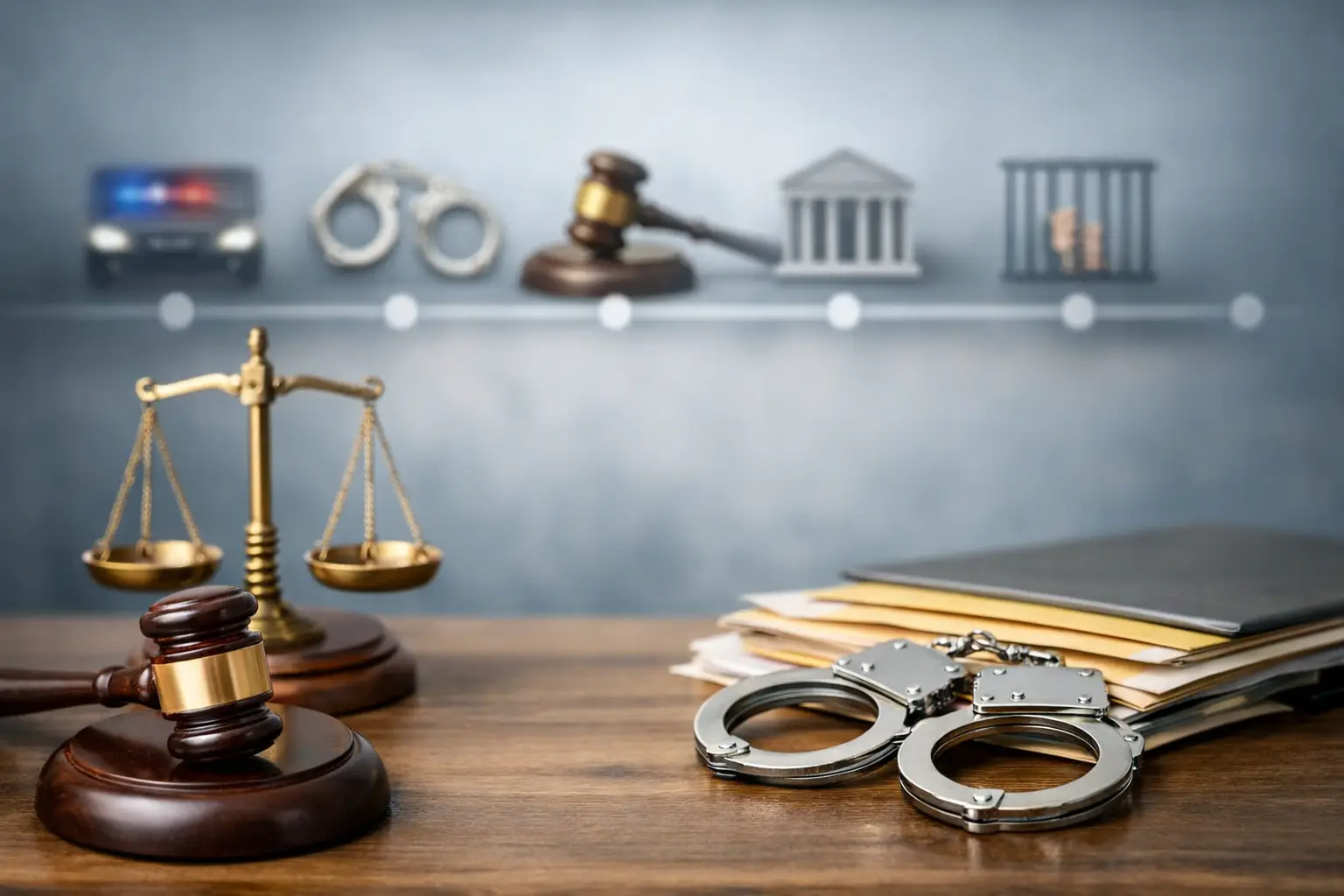
In York County, most criminal cases move through the same broad stages: arrest or investigation, bond, initial court appearances, evidence review, negotiations, motions, and then either a plea, dismissal, diversion, or trial. Some cases move quickly. Others take months. Serious felonies can take much longer.
The biggest mistake people make is assuming the timeline itself tells them how strong or weak the case is. A fast resolution is not always a good sign, and a slow case is not always a bad one. Sometimes delay means the defense is gathering records, reviewing video, challenging a stop, or waiting on lab results that could matter.
Stage 1: Arrest, citation, or notice of investigation
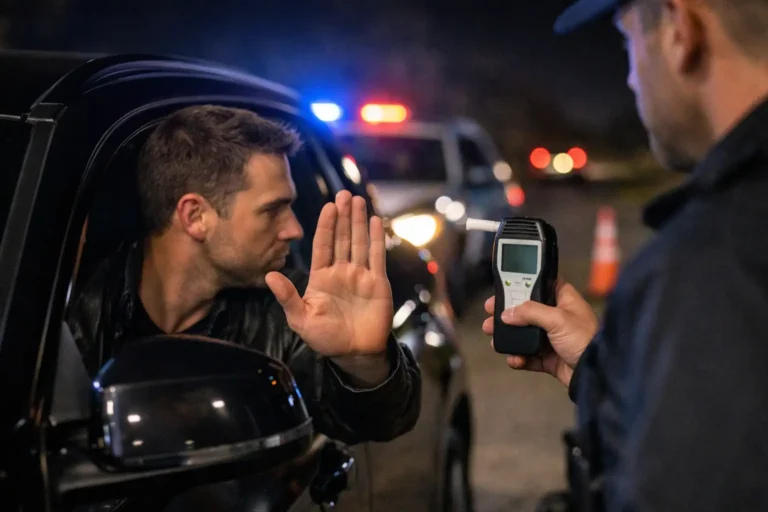
Some cases begin with an arrest at the scene. Others start with a ticket, a magistrate court summons, or a call from an officer saying charges may be coming. In DUI, domestic violence, drug, theft, assault, and weapons cases, the first stage often creates pressure before anyone has seen all the evidence.
If you are arrested, you may be booked, photographed, fingerprinted, and held until bond is addressed. If you are cited and released, the timeline feels less dramatic, but the legal risk is still real. In either situation, what happens immediately after contact with law enforcement can affect the rest of the case.
Stage 2: Bond and release conditions
Bond usually comes early, sometimes very early. For some charges, bond may be set quickly. For others, especially where violence allegations, prior record concerns, or probation issues exist, release conditions can become a major fight.
Bond is not just about getting out of jail. It can include no-contact orders, travel restrictions, GPS monitoring, alcohol testing, firearm restrictions, or rules that affect where you live and who you can see. For working adults and parents, those conditions can be just as disruptive as the charge itself.
This is one reason early defense involvement matters. Bond sets the tone. It also creates obligations that need to be followed carefully. A bond violation can cause a manageable case to become much harder.
The middle of the York County criminal case timeline
After bond, many people expect a quick final court date. That is usually not how it works. The middle of the york county criminal case timeline is where much of the real defense work happens, even if it looks from the outside like nothing is going on.
Stage 3: First appearances and scheduling
The first court setting is often procedural. The case may be called for status, scheduling, transfer, or an initial appearance depending on the charge level and court. That can be frustrating for someone who took time off work and expected answers.
Still, these appearances matter. They confirm where the case is headed and what court will handle it. A magistrate-level misdemeanor follows a different path than a General Sessions felony. Traffic-related offenses, DUI charges, and more serious allegations can all move on different calendars.
Stage 4: Investigation and evidence review
This stage is often the most important and the least visible. Defense counsel may request police reports, body camera footage, dash camera footage, 911 calls, witness statements, lab reports, prior statements by the accused, and any other material relevant to the charge.
That review can take time. If the case involves surveillance video from a business, phone data, accident reconstruction, toxicology, or medical records, the timeline may stretch. That is not wasted time. It is often the difference between reacting to the charge and building a defense strategy around facts.
In some cases, independent defense investigation is just as important as waiting for the state’s evidence. Witnesses move, memories fade, and videos disappear. Acting early can preserve proof that would otherwise be lost.
Stage 5: Negotiations, diversion, or charge review
Once the evidence is clearer, negotiations may begin in a meaningful way. Sometimes the issue is whether the charge should be reduced. Sometimes the issue is whether diversion is available. Sometimes the issue is whether the case should be tried because the evidence is not reliable enough to support a conviction.
This is where former-prosecutor insight can help. Knowing how charging decisions are evaluated, how prosecutors assess risk, and what facts tend to move negotiations can matter. But every case is fact-specific. A first offense with strong mitigation may move differently than a repeat offense, and a case with bad facts but weak proof requires a different approach than a case with strong proof and urgent personal consequences.
Why some cases take longer than expected
People often worry that delay means their case is being ignored. Sometimes the opposite is true. Cases can slow down for reasons that have nothing to do with neglect.
Court calendars may be crowded. Officers may be unavailable. Lab results may be pending. Video may be incomplete. Prosecutors may need supervisory approval for certain offers. In felony cases, indictment timing can affect the path forward. If motions are filed, the court has to schedule and hear them before the case can be resolved.
There is also a practical trade-off. Speed can reduce stress, but rushing a case before the evidence is understood can create unnecessary damage. Good defense work often requires patience at the right moment and urgency at the right moment. Knowing the difference is part of the job.
When motions and trial become part of the timeline
Not every case should be negotiated to the end without challenge. If there is a legal issue involving the stop, search, statements, identification procedure, or admissibility of evidence, motion practice may become a major part of the timeline.
Stage 6: Pretrial motions
A motion can ask the court to suppress evidence, exclude certain testimony, compel disclosure, or resolve other legal questions before trial. In a DUI case, that may involve the traffic stop, field sobriety evidence, video, or testing procedures. In a drug or weapons case, it may involve search and seizure issues. In assault or domestic violence allegations, witness credibility and prior statements may become central.
Motions add time, but they also add leverage. If key evidence is vulnerable, that changes the conversation.
Stage 7: Plea or trial
Most criminal cases resolve without trial, but trial readiness still matters. Cases often settle differently when the prosecution knows the defense is prepared to challenge witnesses, present evidence, and put the state to its burden.
If a plea is the right result, it should happen from a position of preparation, not panic. If trial is necessary, the timeline will include witness preparation, exhibit review, legal argument, and court scheduling. Trial is not the right choice in every case, but it should remain a real option when the facts and law support it.
Sentencing, probation, and what happens after court
If the case ends in a plea or conviction, sentencing may happen that day or later, depending on the charge and court. The sentence can include jail, suspended time, probation, fines, treatment, classes, community service, or other conditions.
This part of the process is often underestimated. A criminal case does not stop mattering once the courtroom portion ends. License consequences, employment issues, immigration concerns, firearm rights, professional licensing, school discipline, and future expungement questions may all follow.
That is why the right question is not just how long the case will take. The better question is what needs to happen during that time to protect your future.
For someone facing charges in York County, the strongest position usually comes from getting clear advice early, following bond conditions carefully, and treating each stage of the process as connected to the next one. The timeline may not be short, but with the right strategy, it does not have to control you.