How to Prepare for Criminal Consultation
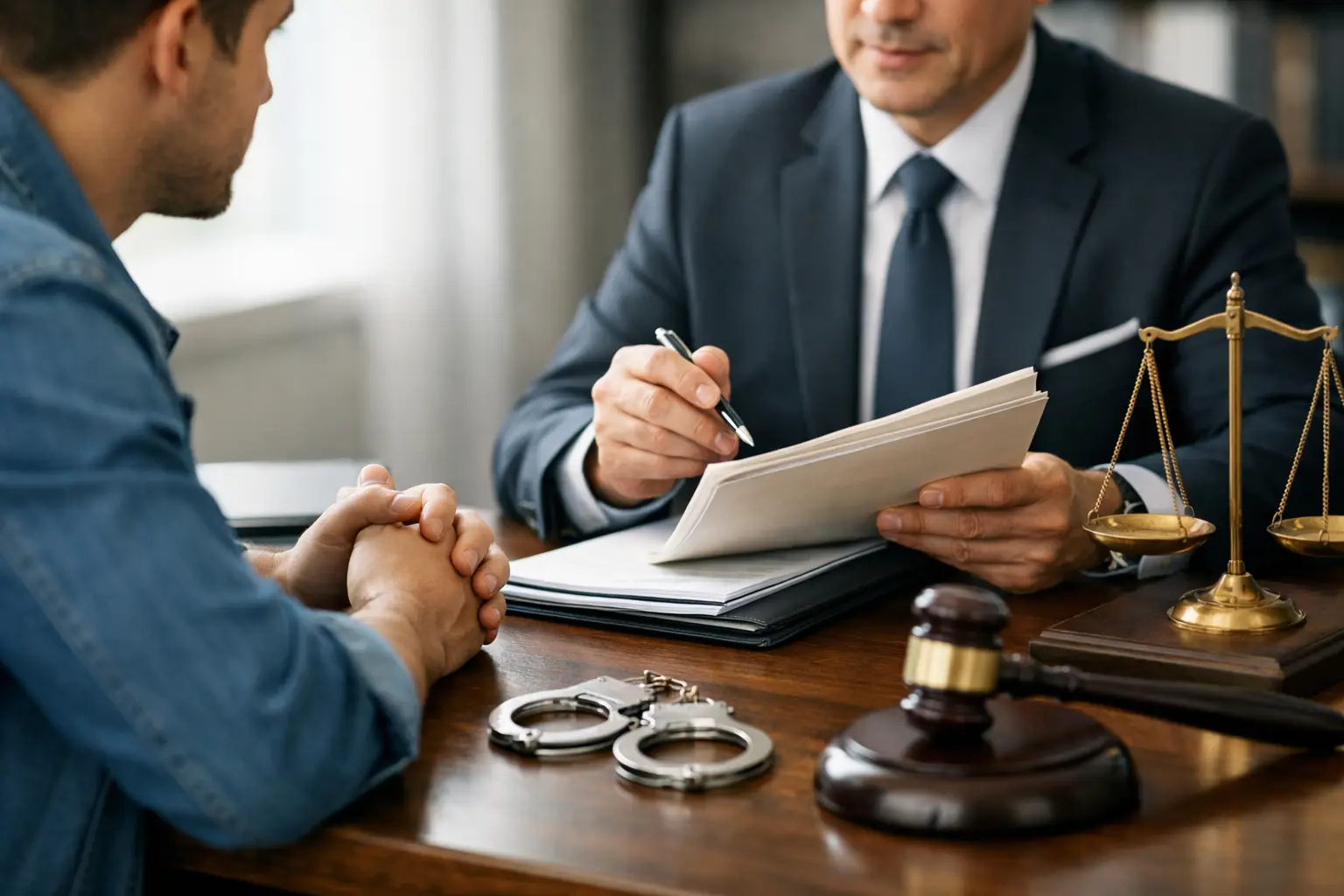
The first meeting with a defense lawyer can shape what happens next. If you are searching for how to prepare for criminal consultation, the goal is simple – walk in ready to give clear facts, ask the right questions, and avoid mistakes that can hurt your case before a strategy is built.
A criminal charge, DUI arrest, or active investigation creates pressure fast. You may be worried about jail, your driver’s license, your job, your family, or what people will think. That is normal. Preparation helps cut through the panic. It gives your lawyer something useful to work with from the start.
Why preparation matters before the first meeting
A consultation is not just a chance to tell your side of the story. It is also the point where a defense attorney starts spotting legal issues, risk areas, and early opportunities. If the lawyer has accurate facts and documents early, they can assess timing, bond conditions, court dates, police conduct, witness problems, and any urgent steps that need attention.
That matters in criminal cases because early decisions can carry real consequences. A missed deadline, a careless statement, or a delay in getting counsel can affect license issues, pretrial release, evidence preservation, and negotiations. Good preparation does not solve the case by itself, but it can prevent unforced errors.
How to prepare for criminal consultation before you arrive
Start by gathering every document you already have. That usually includes charging papers, bond paperwork, a ticket, notice of suspension, court date information, warrant paperwork, or any paperwork you received from law enforcement or the jail. If you were released on bond, bring the terms. If your license was taken in a DUI-related stop, bring whatever notice you received.
If you have screenshots, voicemails, photos, social media messages, or videos related to the accusation, preserve them and bring copies if possible. Do not edit them, crop them, or clean them up. Context matters. A defense lawyer needs to see what actually exists, not a filtered version.
It also helps to write out a timeline while events are still fresh. Keep it factual. Note when the incident happened, who was there, what officers said, what you said, whether any searches occurred, whether testing was done, and what happened afterward. If this is a domestic violence allegation, assault accusation, drug charge, theft matter, or juvenile issue, small details can matter more than you think. The same is true in DUI cases, where timing, traffic stop details, field sobriety tests, and chemical testing often become central.
Do not worry about using legal terms. Plain English is better than guessing at legal language.
What information your lawyer needs most
Your attorney does not need a polished story. Your attorney needs accurate facts.
That includes the bad facts too. If there is something embarrassing, inconsistent, or potentially damaging, bring it up. A defense lawyer cannot protect you from what they do not know. Many clients hold back because they are afraid a lawyer will judge them. A serious criminal defense consultation works better when the facts are complete, even if they are difficult.
Be ready to discuss any prior record, pending charges, probation status, prior DUI history, immigration concerns, professional licenses, firearm issues, and employment consequences. These are not side issues. They often shape defense strategy from the beginning.
If you know the names of witnesses, alleged victims, or co-defendants, write them down. If you have already spoken to police, investigators, or the other side, say so. If anyone is trying to contact you about the case, mention that immediately.
What not to do before the consultation
The biggest mistake is continuing to talk about the case. Do not try to explain things to police on your own after the fact. Do not call the alleged victim to straighten it out. Do not post about the situation online. Do not ask friends to contact witnesses for you. And do not delete messages because you think they look bad. Deleting evidence can create a new problem where one did not exist before.
Another mistake is waiting too long because you hope the case will blow over. Sometimes people assume that if they have not been formally charged yet, they should just sit tight. That can be risky. If you know you are under investigation or believe charges may be coming, early legal advice can matter.
It is also a mistake to treat the consultation like a sales meeting instead of a legal one. You do not need to impress the lawyer. You need to give them something real to assess.
Questions to ask during a criminal consultation
If you want to know how to prepare for criminal consultation in a way that actually helps, come in with questions that focus on decisions and next steps.
Ask what the immediate risks are. Ask what you should and should not do after the meeting. Ask whether there are deadlines involving court, bond, DMV issues, or evidence. Ask how the local court process usually works in your type of case. Ask what information the lawyer still needs before advising you further.
You can also ask how the firm approaches defense strategy in cases like yours. That does not mean asking for promises. It means asking how they assess weaknesses in the prosecution’s case, what early motions or investigations may matter, and what practical steps help protect your record, license, freedom, or reputation.
If you are in South Carolina, local procedure can matter. A lawyer familiar with how certain courts, prosecutors, and judges handle DUI and criminal cases can often identify issues that someone outside the local system may miss. That does not change the law, but it can change how efficiently and strategically your case is handled.
Be honest about your priorities
Not every client is focused on the same outcome. For one person, the top concern is staying out of jail. For another, it is protecting a professional license, keeping a CDL, avoiding a domestic violence conviction, preserving immigration options, or reducing damage to child custody and family life.
Tell the lawyer what matters most to you. That does not mean the case can always be shaped exactly around one goal, but your priorities help guide strategy. There are trade-offs in many criminal cases. A fast resolution is not always the best resolution. On the other hand, fighting every issue may not make sense in every case either. The right approach depends on the facts, the evidence, your record, the court, and what is at stake outside the courtroom.
If you are nervous, that is normal
Many people walk into a criminal consultation expecting to be lectured. A good defense consultation should do the opposite. It should bring order to a situation that feels out of control.
You do not need to know the system before you arrive. You do not need to have perfect paperwork. And you do not need to tell your story in a flawless way. You just need to be truthful, organized, and ready to listen.
That said, the more prepared you are, the more useful the meeting will be. A lawyer can give clearer guidance when the facts are not scattered across text threads, half-remembered conversations, and missing documents.
What a strong consultation should give you
By the end of the meeting, you should have a better sense of where you stand, what the immediate risks are, and what happens next. You should understand whether there are urgent issues involving bond, license suspension, no-contact conditions, court dates, or evidence preservation. You should also know what information still needs to be collected.
At Carolina Criminal Defense, that early focus matters because criminal cases often turn on what gets done first, not just what gets argued later. Clear advice at the beginning can protect options that are hard to recover once lost.
If you are preparing for a criminal consultation, think less about telling a perfect story and more about building a usable file. Bring the papers. Preserve the messages. Write down the timeline. Be direct about the facts and honest about your concerns. When the stakes are real, preparation is not extra effort. It is part of your defense.