How to Request DUI Hearing in South Carolina
A DUI arrest can create two urgent problems at once: a criminal charge and a threat to your driver’s license. Those problems move on separate tracks, and the deadline tied to your license may arrive before you have had time to process what happened. If you need to know how to request a DUI hearing in South Carolina, start with the paperwork you received after the arrest. It may control how long you have to act.
The most common mistake is assuming that the criminal court case will automatically protect your ability to drive. It will not. A license suspension under South Carolina’s implied consent laws is generally handled through the South Carolina Department of Motor Vehicles, while the DUI charge proceeds through criminal court. Both matters deserve prompt attention, but they require different actions.
Know Which DUI Hearing You Need
A DUI case may involve multiple hearings. The DMV administrative hearing concerns your driving privilege after an alleged refusal to take a chemical test or a reported blood alcohol concentration that triggers a suspension. The criminal case concerns whether the State can prove the DUI charge in court.
For the DMV matter, you typically must affirmatively request a hearing after receiving a Notice of Suspension. In many cases, the deadline is 30 days from the date of the notice. Do not treat 30 days as a general rule you can rely on without checking your own document. The notice, the basis for suspension, and current DMV procedures control the actual deadline in your case.
The criminal case is different. A court date may be assigned through bond court, a magistrate court, municipal court, or General Sessions depending on the charge and county. You usually do not submit a DMV-style request simply to obtain your first criminal court appearance. Your defense attorney can, however, address scheduling, discovery, motions, negotiations, and trial strategy as the case develops.
How to Request a DUI Hearing Before the Deadline
The practical goal is simple: make a complete, timely request through the correct DMV process and preserve proof that you did it. The details matter because a missed deadline can leave you dealing with a suspension before the criminal case is resolved.
Read the Notice of Suspension Immediately
Find the Notice of Suspension or any paperwork that mentions implied consent, a chemical test, refusal, administrative suspension, or a hearing request. Do not set it aside because you already have a court date. The notice should identify the agency involved, the deadline, and instructions for requesting a hearing.
Also confirm the date shown on the notice. Deadlines are often calculated from the date of the suspension notice, not from the date you first speak with a lawyer or receive a formal court notice. If the arrest happened on a weekend or during a holiday period, that does not make it safer to wait.
Follow the DMV’s Current Filing Instructions
The hearing request must go to the DMV process identified in your notice, not to the arresting officer, prosecutor, or criminal court clerk. Filing methods, required forms, and fees can change. Follow the instructions provided with your notice or obtain current guidance before submitting anything.
Keep a complete record of what you send. Save a copy of the request, the date it was submitted, confirmation of delivery or transmission, and proof of any payment. If a deadline is later questioned, those records may matter.
A phone call alone is not a reliable substitute for a formal request. Calling can help clarify a question, but it does not necessarily preserve your hearing rights. Obtain written confirmation whenever possible.
Ask About Temporary Driving Authority
Requesting a hearing may affect whether you can seek temporary, restricted, or alcohol-related driving privileges while the administrative matter is pending. Eligibility depends on the alleged facts, your driving history, the type of suspension, and the documentation you submit.
Do not assume that filing a hearing request means you can continue driving. You need to understand exactly what authority, if any, has been issued to you and what conditions apply. Driving while suspended can create a separate criminal problem and may complicate the defense of the original case.
Involve a DUI Defense Lawyer Early
A lawyer can help ensure the request is made correctly and on time, but the value goes beyond filing paperwork. The administrative hearing can reveal information about the stop, arrest, implied consent advisement, chemical testing process, video evidence, and the officer’s account. Those issues may also matter in the criminal DUI case.
Early representation gives the defense time to evaluate the case while records are still available. That can include reviewing dash camera or body camera footage, dispatch records, the breath-testing documentation, blood test procedures where applicable, maintenance records, and the timing of each event.
What Happens at a South Carolina DMV DUI Hearing?
The DMV hearing is not a full criminal trial. The hearing officer generally considers whether the legal requirements for the suspension were met. Depending on the type of case, the issues can include whether the officer had a lawful basis for the arrest, whether you were properly advised of implied consent rights, whether a test was properly requested or administered, and whether an alleged refusal meets the legal standard.
The scope of the hearing matters. A favorable result may affect the suspension, but it does not automatically dismiss the criminal DUI charge. Likewise, an unfavorable administrative ruling does not decide guilt in criminal court. The evidence and legal standards are different, even though the same traffic stop may be at the center of both matters.
There are also strategic decisions about testimony. A person may understandably want to explain everything at the hearing. But statements made in an administrative proceeding can have consequences in the criminal case. That is one reason a coordinated defense strategy matters. The question is not simply whether to speak, but whether speaking serves the larger case.
Build the Criminal Defense at the Same Time
While the DMV deadline is urgent, do not lose sight of the DUI charge itself. The State must still prove its case. A thorough defense review may examine why the vehicle was stopped, what the officer observed, how field sobriety tests were conducted, whether roadside and station videos match the report, and whether chemical-test evidence was collected and handled according to required procedures.
Preserve every document you received. Write down your own timeline while your memory is fresh: where you were driving, when you were stopped, what the officer said, what tests were requested, who was present, and what happened after the arrest. Avoid guessing or filling gaps with assumptions. A clear factual timeline helps your lawyer identify questions that need answers.
If your case is in York County, Rock Hill, Fort Mill, or another South Carolina court, local practices may affect scheduling and procedure. The core defense work remains the same: move quickly, gather evidence, understand the exposure, and make decisions with the criminal case and license case in view.
Mistakes That Can Make a DUI Case Harder
Waiting for the criminal court date before addressing the DMV notice is one of the most damaging errors. Another is assuming that the officer’s suspension paperwork is final and cannot be challenged. A suspension notice is serious, but it may also create a limited window to request review.
It is also risky to keep driving based on assumptions, miss mail from the DMV or court, or discuss detailed facts of the arrest with people who cannot protect those communications. Be careful with social media as well. A casual post, photo, or message can create unnecessary issues in a case that already requires close factual review.
Can I request a hearing if I refused the breath test?
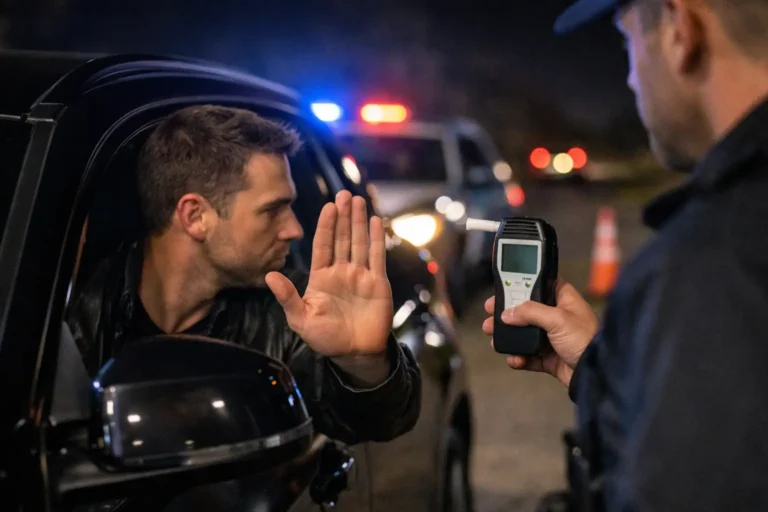
Often, yes. An alleged refusal can trigger an implied consent suspension and may allow a hearing request, but the deadline and procedures on your notice are critical. A refusal case can involve disputes about the advisement, the request for testing, and what actually occurred during the encounter.
Will winning the DMV hearing end my DUI charge?
Not necessarily. The DMV hearing and the criminal prosecution are separate proceedings. A favorable hearing result can be significant for your license and may provide useful information for the defense, but the prosecutor can still pursue the DUI charge unless it is resolved separately.
The first useful step is not trying to predict the final outcome from the arrest alone. It is protecting the deadline in front of you, preserving the evidence, and getting clear advice before a temporary driving problem becomes a larger legal one.