A Criminal Evidence Suppression Example in Court
A blue-light stop can become a drug charge, DUI charge, or weapons case in minutes. But the report rarely answers the first question a defense lawyer should ask: did law enforcement have a lawful basis for every step that led to the evidence? A criminal evidence suppression example shows why that question can reshape a case before anyone reaches a trial.
Suppression is not a technical escape hatch. It is a court process used to challenge evidence obtained in violation of constitutional protections or other legal rules. If the judge excludes key evidence, the prosecutor may have a weaker case, a different negotiating position, or insufficient proof to move forward. The result depends on the facts, the applicable law, and what the state can prove without the challenged evidence.
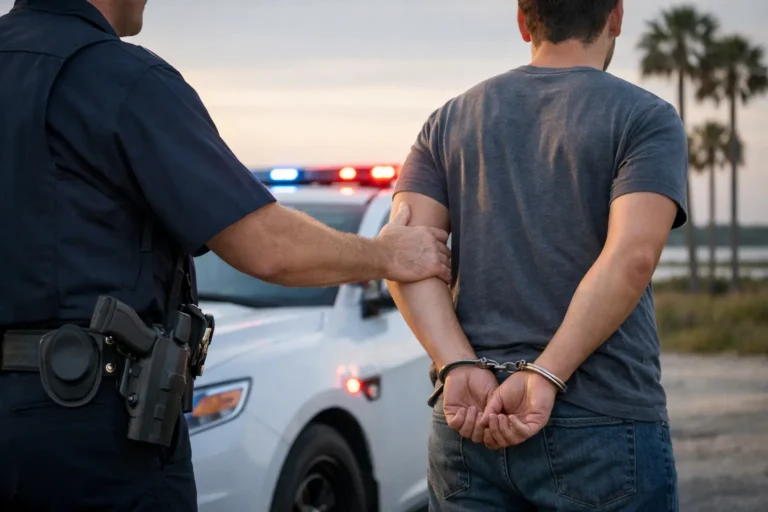
A criminal evidence suppression example: the extended traffic stop
Consider a driver stopped in York County for allegedly crossing the center line. The officer approaches, obtains the driver’s license and registration, and begins writing a warning. During that process, the officer sees no contraband, smells no marijuana or alcohol, and receives no conflicting answers from the driver.
After completing the purpose of the traffic stop, however, the officer tells the driver to remain on the roadside while a K-9 unit is called. The dog arrives several minutes later, alerts on the vehicle, and officers find a controlled substance in the center console.
The driver is then charged with a drug offense. At first glance, the state appears to have physical evidence and an officer’s testimony. The important legal issue may be what happened before the search: whether the officer had reasonable suspicion of additional criminal activity to extend the stop after the traffic matter was finished.
A defense attorney could file a motion to suppress the drugs and statements made after the unlawful extension. The argument would not be that every traffic stop is illegal or that police can never use a K-9. The argument would be narrower and fact-specific: the original stop may have been lawful, but the continued detention may not have been supported by the facts the law requires.
If the judge agrees, the evidence found in the car may be excluded. Without it, the prosecution must decide whether it has enough admissible evidence to continue. That is why the timeline matters so much. A few minutes on body-camera footage can carry more weight than a broad statement in a police report.
What evidence can be suppressed?
Suppression issues arise in many kinds of South Carolina criminal cases. The evidence at issue might be drugs, a firearm, a breath or blood test, a confession, photographs, digital records, or items taken from a home or vehicle.
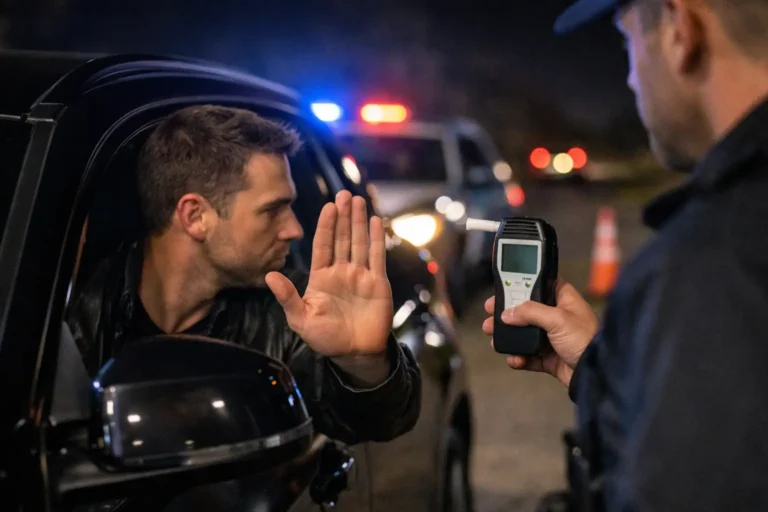
In a DUI case, the questions may involve the reason for the stop, the administration of field sobriety tests, the arrest decision, video evidence, or compliance with procedures surrounding a breath test. In a home search, the focus may be on whether officers had a valid warrant, whether the warrant was too broad, or whether an exception to the warrant requirement actually applied.
Statements can also be challenged. For example, if a person in custody is questioned after clearly invoking the right to remain silent or requesting an attorney, a lawyer may seek to exclude the resulting statement. The details matter: where the person was, whether they were free to leave, what officers said, and how the questioning unfolded.
A suppression motion is not limited to cases where an officer acted intentionally or unfairly. The central question is usually legality, not motive. A well-intentioned officer can still make a constitutional error. On the other hand, a frustrating encounter does not automatically create a suppression issue.
Why the police report is only the starting point
Police reports are important, but they are often written after a fast-moving event and from one perspective. They may summarize a conversation without recording the exact wording, compress a lengthy timeline into a paragraph, or state a conclusion such as “the driver appeared nervous” without showing what caused that conclusion.
A serious defense review compares the report with the available evidence. That can include body-camera footage, dash-camera video, dispatch logs, warrant paperwork, test records, photographs, call recordings, and witness accounts. The goal is not to assume the report is wrong. It is to verify what happened and identify whether the government can meet its burden.
In the traffic-stop example, video may show that the warning was completed before the K-9 request, or it may show facts that gave the officer a lawful reason to continue investigating. Either way, the footage helps replace assumptions with a defensible legal analysis.
That work needs to happen early. Video can be overwritten, witnesses can become harder to locate, and deadlines can affect how motions are raised. A person facing charges should not wait until the week before court to find out whether the evidence against them came from a questionable stop, search, or interrogation.
Suppression is not automatic
A motion to suppress can be powerful, but it is never a promise of dismissal. Courts recognize exceptions to the warrant requirement, and prosecutors may argue that the evidence was obtained through consent, plain view, a valid search incident to arrest, probable cause, or another recognized basis.
Consent is a common point of dispute. An officer may say a driver agreed to a vehicle search. The defense may examine whether the person actually gave voluntary consent, what the officer asked, whether the person understood they could refuse, and whether the search stayed within the scope of the alleged permission.
Another issue is standing, sometimes described as a reasonable expectation of privacy. A passenger may be able to challenge the legality of a traffic stop but may not have the same ability to challenge the search of every area of someone else’s vehicle. A guest in a home, a renter, an owner, and a person using a borrowed car can each face different legal questions.
Even when one item is suppressed, other evidence may remain. A case could still proceed based on a witness, surveillance footage, lawful observations, or evidence discovered through an independent source. This is why a defense strategy should look at the entire case, not just one contested moment.
What happens during a suppression motion?
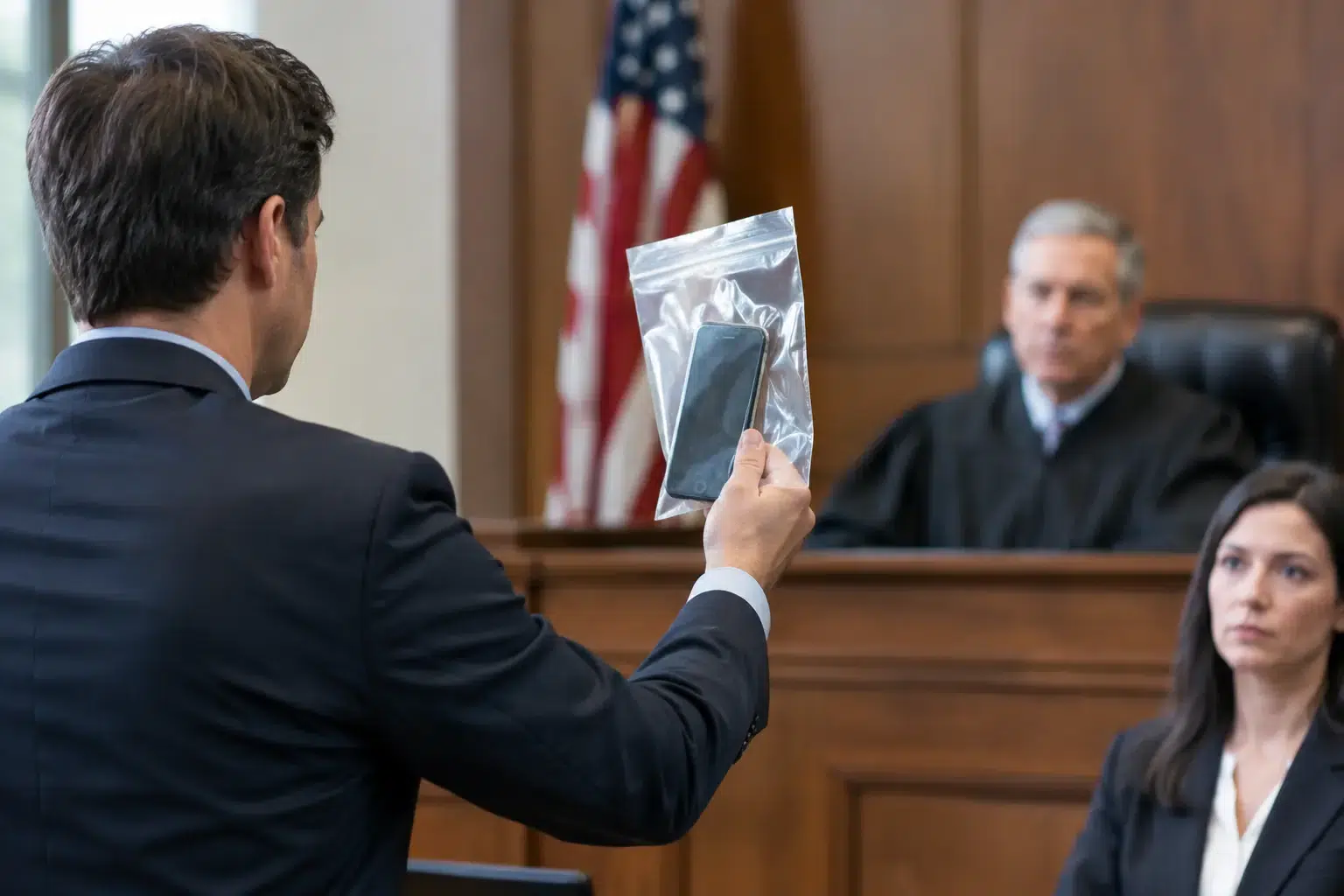
The defense typically files a written motion explaining what evidence should be excluded and why. The court may hold a hearing where officers testify, recordings are reviewed, and lawyers argue how the law applies to the facts.
At that hearing, the defense can test details that may not have been challenged in the initial report. How long did the stop last? When was the license returned? What specific facts created suspicion? Was the person told they were free to leave? Did the warrant describe the location and items to be searched with enough particularity?
The judge then decides whether the evidence is admissible. A favorable ruling can change plea discussions, limit what a jury can hear, or, in some cases, leave the state without enough evidence to proceed. An unfavorable ruling does not end the defense. It provides clarity about the evidence landscape and helps counsel evaluate the next decision with the client.
The first steps after an arrest or search
If you believe evidence was obtained through an unlawful stop, search, or questioning, preserve the facts while they are fresh. Write down the location, time, names or badge numbers if known, what officers said, who was present, and whether there may be video or witnesses. Keep court paperwork, bond documents, receipts, and any property inventory.
Do not try to explain the incident through social media, text messages, or informal conversations with investigators. Those statements can become evidence too. Focus on complying with bond conditions and getting a prompt, detailed legal review.
At Carolina Criminal Defense, that review starts with the record and the timeline, not assumptions. The right question is not simply whether evidence was found. It is whether the government obtained it lawfully and can prove its case with admissible evidence.
When your future, license, job, or family stability is on the line, early attention to the facts can preserve options that become harder to recover later.