Digital Evidence in Criminal Defense
A text thread can change the direction of a case. So can a location ping, a Ring camera clip, a deleted photo recovered from a phone, or a 911 call pulled from the cloud. In many cases, digital evidence in criminal defense is not a side issue. It is the timeline, the witness, and sometimes the battleground.
If you are facing criminal charges, it is easy to assume digital evidence will simply “show what happened.” That is not how these cases work. Digital material can help the defense, hurt the defense, or do both at the same time. A short video may start too late. A phone record may place someone near a location without proving what they were doing. A message may sound damaging until the missing replies are recovered.
That is why early case preparation matters. The question is not just what digital evidence exists. The real question is what it actually proves, whether it was collected lawfully, whether it is complete, and whether the prosecution is reading too much into it.
Why digital evidence matters in criminal defense
Criminal cases used to lean more heavily on officer observations, witness statements, and physical evidence found at the scene. Those still matter. But now many accusations also come with data trails – call logs, app messages, vehicle data, social media activity, surveillance footage, GPS history, and account records from third-party companies.
For prosecutors, that material can look powerful because it feels objective. For the defense, it requires careful testing. Digital evidence is created by devices and platforms, but it is still interpreted by people. And people can draw the wrong conclusion.
A phone near a house does not automatically prove a break-in. A heated message does not automatically prove intent to commit assault. A search history does not always show who used the device. Even in DUI cases, video footage, body camera audio, dash camera timing, and call records may raise questions about driving, detention, or what officers knew at each stage of the stop.
This is where disciplined defense work matters. Digital evidence can support a strong defense when it reveals missing context, inconsistent timelines, investigative shortcuts, or gaps in proof.
The most common types of digital evidence
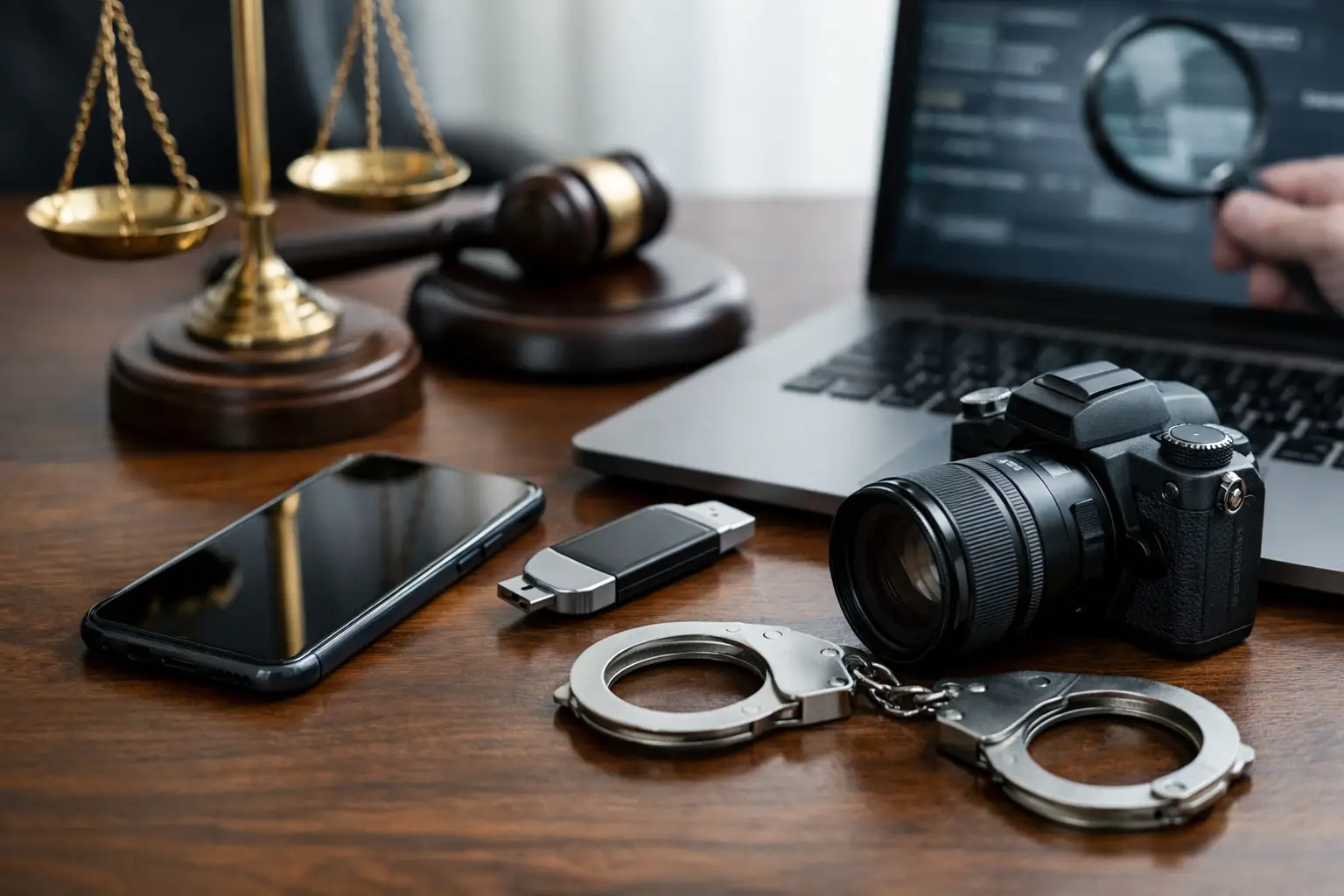
Most people think first about text messages, but the category is much broader. In South Carolina criminal cases, digital evidence may include cell phone extractions, social media posts and private messages, email records, surveillance video, home security footage, jail calls, GPS data, app usage logs, digital payment records, and electronic vehicle information.
In a domestic violence case, messages between the parties may become central. In a drug case, the state may rely on call patterns, cash app transactions, or phone contents. In an assault case, investigators may look for videos, deleted communications, or location history. In a traffic or DUI matter, body camera footage, in-car video, and dispatch timestamps may become just as important as the officer’s report.
Each type of evidence has strengths and weaknesses. Video can be persuasive, but it may have no audio, poor lighting, or an angle that hides critical details. Texts can show tone and timing, but screenshots are often incomplete. Social media can be misleading because posts are curated, shared by others, or stripped of context. Data may appear precise while still leaving room for major interpretation disputes.
Digital evidence in criminal defense is only as good as the timeline
Many cases turn on sequence. Who said what first. When someone arrived. Whether an officer made observations before or after a detention. Whether a witness account fits the timestamps. Whether a person had access to the device when a message was sent.
That is why building a clean timeline matters so much. A defense lawyer may compare dispatch records, phone records, surveillance footage, body camera timestamps, and witness statements to see whether the state’s version actually holds together. Sometimes a case looks stronger on paper than it does once the timestamps are lined up.
This is especially important when digital material comes from multiple sources. Devices do not always use the same clock settings. Videos can have inaccurate timestamps. Cloud backups may show upload time rather than creation time. A screenshot may omit the surrounding exchange. Without careful review, a supposedly clear timeline can become unreliable very quickly.
The legal fight is not just about content
People often focus on what was found. Just as important is how it was found.
In some cases, the defense may need to examine whether police had lawful grounds to search a phone, access an account, seize a device, or obtain records from a third party. There may also be questions about whether the warrant was too broad, whether consent was valid, or whether the state preserved the material properly once it was collected.
Chain of custody still matters in the digital world. If the prosecution cannot show that a file is authentic, complete, and handled correctly, that may affect whether it should be trusted. Metadata, extraction methods, and forensic reports can become critical. This is technical work, but the practical point is simple: digital evidence is not automatically reliable because it came from a device.
Context can change everything
One of the biggest problems with digital evidence is selective presentation. A single message shown in isolation may sound threatening. The full conversation may show sarcasm, self-defense, fear, reconciliation, or a completely different meaning. A short clip may look incriminating until the earlier footage is found. A location hit may seem damaging until it becomes clear the phone user was a passenger, not the driver, or that the data only gives an approximate area.
This is where defense strategy becomes case-defining. The goal is not to deny reality. The goal is to make sure the evidence is interpreted fairly and completely.
That can mean obtaining the full thread instead of screenshots, preserving security footage before it is deleted, identifying who had access to the device, or comparing digital records with real-world facts such as work schedules, receipts, witness availability, and travel times. Small details often matter more than dramatic ones.
What to do if digital evidence may be part of your case
First, do not delete anything. Deleting messages, call logs, photos, or app content can create problems even if you believe the material would help explain your side. Preservation is usually safer than trying to “clean up” a device.
Second, do not start sending new messages about the case. People under stress often try to explain, apologize, confront, or coordinate. Those messages can become evidence too. The same goes for social media posts, comments, and private messages.
Third, act quickly. Some evidence disappears fast. Security camera systems overwrite footage. Apps change stored data. Account providers may not keep certain records for long. If a case may involve useful digital material, early legal action can make a real difference.
Finally, do not assume your phone tells the full story or the right story. The defense needs to review the facts carefully before making decisions about what to provide, what to challenge, and what to emphasize.
Why early defense work matters
When digital evidence is involved, delay helps the other side. It gives time for memories to harden around a misleading timeline and for temporary records to disappear. Early defense work allows counsel to preserve evidence, test the state’s assumptions, and identify legal issues before the case gets boxed in.
That is one reason firms like Carolina Criminal Defense put so much weight on preparation from day one. In a digital case, waiting to “see what happens” is rarely a strategy. A stronger approach is to identify the devices, accounts, footage, and records that may matter, then build the defense around facts instead of guesswork.
Not every case turns on a phone extraction or a surveillance video. Sometimes digital evidence is decisive. Sometimes it is overhyped. Sometimes it opens one door for the prosecution and another for the defense. What matters is having someone who knows how to sort signal from noise and apply it to the real issues in your case.
If you are under investigation or already charged, treat digital evidence with the same seriousness you would treat any physical evidence collected by law enforcement. It can shape bond arguments, negotiations, suppression issues, trial preparation, and your credibility from the start. The earlier your defense takes control of that picture, the more room there is to protect your future.