
Drug Possession Defense in South Carolina
A drug possession charge can change your week in a matter of minutes. One traffic stop, one search, one arrest, and suddenly you are worrying about jail, bond conditions, your job, your family, and what shows up on a background check. That is why a drug possession defense in South Carolina needs immediate attention. What happens early often shapes what happens later.
What Counts as Drug Possession in South Carolina?
South Carolina law makes it unlawful to knowingly or intentionally possess a controlled substance unless the substance was obtained through a valid prescription or is otherwise authorized by law.
That means the State generally has to prove more than the fact that drugs existed somewhere near you. In many cases, the real fight is over knowledge, control, access, and whether the evidence actually connects the accused person to the substance.
The substance also matters. South Carolina law treats marijuana, cocaine, methamphetamine, prescription drugs, and other controlled substances differently. The amount, schedule, prior history, and surrounding facts can affect the charge, the court, the possible penalties, and the defense strategy.
What a drug possession charge can mean in South Carolina
In plain terms, the State does not treat possession allegations as minor paperwork problems. Even when the amount is small, the charge can carry serious consequences. Those consequences may include jail exposure, probation, fines, court appearances, employment problems, school or professional-license issues, and a criminal record that follows you long after the case ends.
For many people, the most immediate problem is not just the courtroom. It is the pressure outside of court. Employers may ask questions. Professional licenses may be at risk. Parents may be dealing with custody concerns or family stress. College students may face school discipline on top of the criminal case. A first-time defendant often assumes the case will work itself out if they stay quiet and show up. That is not a strategy. It is a gamble.
South Carolina drug laws also vary based on the substance involved, the amount, the person’s criminal history, and the circumstances of the arrest. Marijuana, cocaine, methamphetamine, prescription drugs without a valid prescription, and other controlled substances do not all get handled the same way. A prescription-drug case may turn on whether the person had a valid prescription, whether the medication was in the proper container, who actually possessed it, and whether the State can prove the substance at issue. What looks like a simple possession case at first can also lead to arguments about intent, distribution, paraphernalia, or violations tied to another arrest. Paraphernalia can also create separate issues. South Carolina law treats paraphernalia differently from possession of the controlled substance itself, and the surrounding facts can matter when deciding whether the object is actually tied to unlawful drug use.
Simple Possession Is Different From Possession With Intent to Distribute
A simple possession charge usually focuses on whether the accused person knowingly or intentionally possessed the substance. A possession with intent to distribute charge is different. In those cases, the State may argue that the amount, packaging, money, scales, messages, location, or other circumstances show intent to sell or distribute.
That distinction matters because possession with intent to distribute can carry more serious consequences than simple possession. It can also change how prosecutors evaluate the case, how bond is handled, and what kind of defense strategy makes sense.
If the evidence only supports personal possession, the defense may challenge an overcharged distribution theory. If the evidence does not reliably connect the person to the drugs at all, the defense may challenge possession entirely.
Why early drug possession defense in South Carolina matters
The strongest defense work usually begins before the first major court date. That is because the early stage of a case is where facts are gathered, witnesses are identified, body camera footage is requested, lab reports are reviewed, and legal issues are spotted before they harden into assumptions.
A lot of possession cases rise or fall on details that are easy to miss if nobody is looking for them. Where exactly was the substance found? Who had access to that area? Did the officer have a legal reason to stop the vehicle? Was there consent to search, and if so, was it truly voluntary? Was the substance tested, and what do the lab results actually say? Those questions are not technical distractions. They are often the heart of the case.
A person charged in Rock Hill, Fort Mill, York County, or anywhere else in South Carolina should also understand that prosecutors start building their view of the case right away. If the defense comes in late, important opportunities may already be gone. Fast action does not mean panic. It means getting organized before the case starts organizing itself against you.
Common defense issues in a possession case
Drug possession defense South Carolina cases often turn on a handful of recurring legal and factual problems. The right defense depends on the file, not on a script, but several issues come up again and again.
Possession is not always as simple as it sounds
The State must do more than show that drugs were somewhere nearby. In a possession case, the key issues often include knowledge, control, access, and whether the facts actually connect the accused person to the substance. In many cases, the real question is whether the accused person actually possessed the substance under the law. If drugs are found in a shared car, a house with multiple occupants, or a borrowed bag, that issue gets complicated quickly.
Being close to something is not always the same as knowingly possessing it. A defense lawyer may look closely at who owned the vehicle, who was sitting where, whether anyone made statements, and whether the facts truly connect the accused person to the substance.
Search and seizure problems can change the case
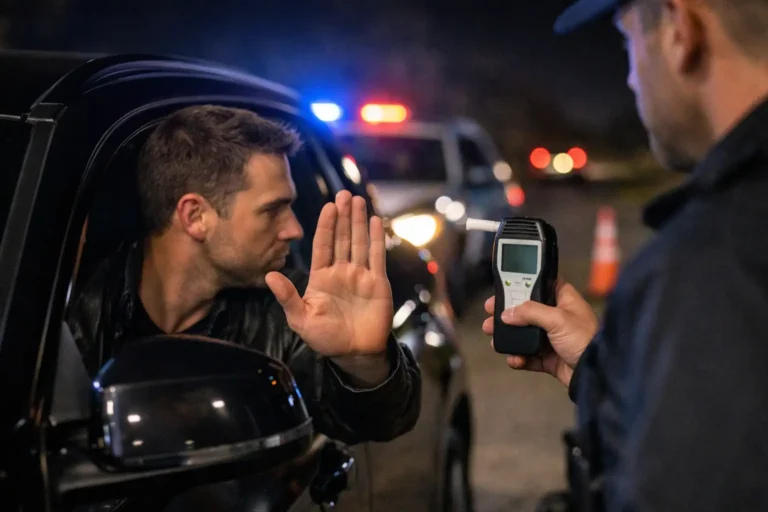
Police officers must follow constitutional rules when they stop, detain, search, and arrest someone. If the stop was unlawful, if the search exceeded what the law allows, or if consent was not valid, the defense may have grounds to challenge key evidence.
That does not mean every search is illegal. It means the details matter. A lawful traffic stop can become an unlawful detention if it is extended without proper reason. A claimed smell of marijuana may lead to one argument, while a vehicle search based on shaky consent may lead to another. These are fact-specific issues that need real analysis.
The substance still has to be proven
People are often surprised to learn that an officer’s assumption is not the same as proof. The prosecution typically needs reliable evidence about what the substance actually was. That can involve chain-of-custody questions, lab testing, and whether the reported results match the charge that was filed.
If the State’s proof is weak, inconsistent, or incomplete, that matters. A possession case should not be treated as automatic just because an arrest happened.
The substance still has to be proven
South Carolina law also classifies controlled substances by schedule, and the specific substance can affect the charge and potential penalties. The State’s proof should match the charge that was filed.
Statements made during the arrest can hurt or help
Many people talk because they think cooperation will make the situation easier. Sometimes they are scared. Sometimes they are trying to protect someone else. Sometimes they simply do not understand how a casual statement can be used later.
A defense lawyer will examine when statements were made, whether Miranda issues exist, what exactly was said, and whether the officer’s report matches the recording. In some cases, those statements become a major issue. In others, the recordings may actually help show confusion, lack of knowledge, or police overreach.
First-time offense does not always mean minor risk
One of the biggest mistakes people make is assuming that a first arrest means the court will automatically go easy. Sometimes a clean record helps. Sometimes it opens doors for a better resolution. But there is no automatic pass simply because the person has never been in trouble before.
Judges and prosecutors still look at the facts, the substance involved, the person’s history, and whether there are signs of broader criminal conduct. A first-time defendant should take the charge seriously without assuming the worst. This is where clear legal advice matters most. You need to know the real risks, not rumors from friends or internet message boards.
What your lawyer is really doing in a drug possession defense case
A good defense is not just showing up in court and asking for leniency. It is building leverage. That means identifying legal challenges, finding weaknesses in the State’s evidence, presenting favorable background information when it helps, and making strategic decisions about whether the case should be contested, negotiated, or set for a hearing or trial.
Sometimes the best path is pushing hard on suppression issues. Sometimes it is exposing proof problems. Sometimes it is negotiating from a position of preparation. And sometimes the right advice is that a quick plea is not in the client’s best interest, even if it sounds convenient in the moment.
Former-prosecutor insight can matter here because the defense needs to understand how the other side evaluates cases. Prosecutors look at proof, credibility, courtroom risk, and practical weaknesses. A defense lawyer who understands that process can often spot where pressure points exist and where early preparation can change the conversation.
What If the Arrest Started With an Overdose Call?
Some drug cases begin because someone called for emergency help during a suspected overdose. South Carolina law provides limited immunity in certain overdose-related situations, but the protection depends on specific requirements, including how the evidence was obtained and whether the person seeking help complied with the statute.
That issue should be reviewed carefully before anyone assumes the charge is valid or invalid.
What you should do after an arrest
If you are facing a possession charge, your next steps matter. The first is simple: do not make the case worse by talking about it carelessly. That includes talking to police without counsel, posting online, or texting people about who owned what. Those messages have a way of showing up later.
The second step is to preserve information. Write down what happened while it is still fresh. Note where you were, who was present, what the officer said, whether there was a search, and whether any cameras may have captured the event. Small details fade quickly.
The third step is to get legal guidance early. Not because every case goes to trial, but because every case benefits from an informed plan. At Carolina Criminal Defense, that means looking at the charge as both a legal problem and a life problem. The goal is not just to react to court dates. It is to protect your future, your record, and your options.
Drug possession defense South Carolina is case specific
No honest lawyer should treat every possession arrest the same. Some cases are built on weak searches. Some turn on shared access and lack of knowledge. Some involve treatment-related issues and call for a different approach. Some are stronger for the State than the accused person wants to hear. Real defense work starts with telling the truth about where the case stands and what can be done next.
If you are charged, the most useful move is not guessing. It is getting clear about the facts, the risks, and the strategy while there is still time to influence the outcome. That one decision can steady the ground under you when everything else feels uncertain.
This article provides general information about South Carolina drug possession charges. It is not legal advice for your specific case. The right defense depends on the substance, amount, search facts, statements, lab results, prior record, court, and the exact charge filed.