
Felony Theft Charge Defense in South Carolina
A felony theft accusation can put far more than a court date at risk. Your job, professional license, family stability, and reputation may all feel exposed at once. A felony theft charge defense should begin before assumptions harden into the prosecution’s version of events. Early action gives your attorney time to examine the evidence, identify missing proof, address bond conditions, and build a strategy around what actually happened.
In South Carolina, theft cases are often called larceny cases. They can arise from a store accusation, an employment dispute, a vehicle allegation, a conflict involving property shared by relatives or former partners, or a claim that someone kept property they were supposed to return. The label may sound simple. The facts rarely are.
What Makes a Theft Charge a Felony?
The value of the property is usually central to how South Carolina classifies a theft charge. Under state law, theft involving property valued above a certain threshold can be charged as a felony, with more serious potential penalties as the alleged value rises. The type of property and the circumstances of the accusation can also matter.
That does not mean the number written in a police report settles the issue. Value may be based on an estimate, a retail price, a replacement cost, or a witness’s statement. Those figures are not always reliable. Used equipment, damaged merchandise, electronics, tools, collectibles, and business inventory can all create real disputes over fair market value.
The prosecution must also prove more than a loss. Generally, it must establish that the accused took or exercised control over another person’s property without permission and with the required intent. A misunderstanding, an ownership dispute, permission that was later withdrawn, or a good-faith belief that the property belonged to you can materially change the analysis.
The First Hours Can Shape the Case
Many people try to explain themselves immediately because they believe the misunderstanding will disappear. Sometimes they provide details that investigators later interpret differently. A calm response is usually better than a rushed one.
If law enforcement wants to speak with you, asks you to come to the station, or contacts you about property, do not guess at answers or try to negotiate the facts on your own. You have the right to remain silent and to speak with a lawyer. Exercising that right is not an admission of guilt. It is a way to protect yourself while the facts are sorted out.
Preserve information that may matter. Save text messages, emails, receipts, photographs, work schedules, inventory records, payment records, location data, and communications with the person making the allegation. Do not alter messages, delete accounts, hide property, or contact witnesses to influence what they say. Those decisions can create separate problems and make a defensible case harder to defend.
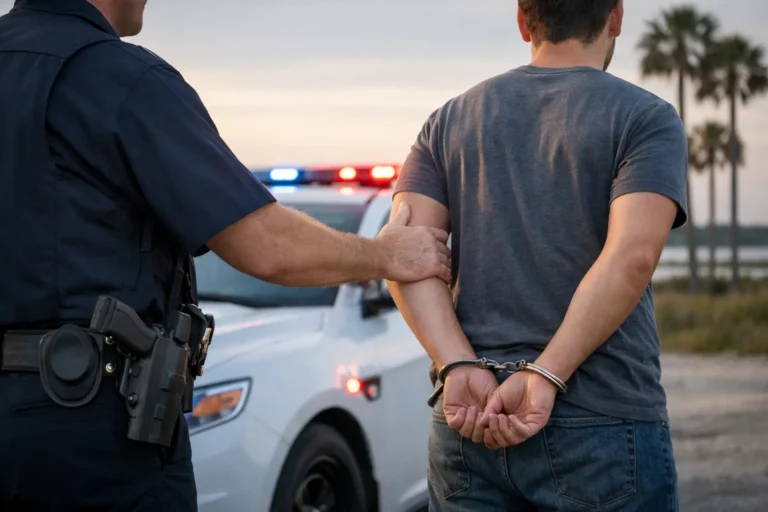
A defense lawyer can also help address immediate concerns such as an arrest warrant, bond hearing, no-contact conditions, restrictions on returning to a workplace or home, and requests from investigators. Taking control early is not about making promises. It is about preventing avoidable damage while building a clear record.
How a Felony Theft Charge Defense Is Built
A strong theft defense is fact-specific. It starts with the prosecution’s burden, then tests each part of the allegation against documents, witness accounts, video, and the timeline.
Was There Intent to Steal?
Intent is often the point of dispute. Borrowing an item, taking property by mistake, moving property during a work task, or believing you had authority to possess something is different from intentionally depriving an owner of it. The distinction may come down to messages, prior practices, who had access, or what was said at the time.
Employment-related cases are a common example. A worker may be accused of taking inventory, cash, equipment, or materials. But the defense should look closely at workplace procedures, access permissions, inventory controls, shift assignments, camera coverage, and whether other people had the same opportunity to handle the property. A shortage alone does not identify the person responsible for it.
Is the Property Value Accurate?
Value can affect whether a case is treated as a misdemeanor or felony and can influence plea discussions or trial strategy. An unsupported estimate deserves scrutiny. A lawyer may examine the property’s actual condition, depreciation, market value, receipts, serial numbers, repair history, and whether the alleged loss includes items never shown to be missing.
This is one reason a case should not be evaluated solely from the charge on the warrant. The charge reflects an allegation. It is not a final finding.
Can the Evidence Reliably Identify You?
Video footage may be incomplete, blurry, or missing the moments that explain what occurred. Witness accounts can change. A person who reports a theft may have a business dispute, personal conflict, or financial reason to point blame elsewhere. Digital evidence may show account activity without proving who used the device or account.
The defense should examine how evidence was collected and whether the timeline makes sense. If police conducted a search, seized property, or obtained digital records, the legality and scope of those actions may matter. Evidence obtained in violation of constitutional protections may be subject to challenge.
Is This Really a Criminal Matter?
Some allegations are rooted in a civil or personal dispute rather than criminal conduct. Former business partners may disagree over equipment. Family members may disagree about belongings after a move or death. A buyer and seller may dispute payment or possession. Those conflicts can be stressful and expensive, but a dispute over ownership is not automatically proof of felony theft.
That does not mean every ownership claim resolves the case. It means the facts, documents, and history between the parties need careful review before anyone accepts a criminal narrative.
What to Expect in South Carolina Court
Felony theft cases may begin with an arrest or warrant, bond proceedings, and an initial court appearance. The case can then move through investigation, discovery, negotiations, motions, and, when necessary, trial. Felony charges are generally handled in the Court of General Sessions.
The pace can feel frustrating. Important evidence may not be available immediately, and the defense needs time to review reports, body-camera footage, surveillance video, witness statements, forensic records, and records supporting the claimed value. Quick decisions made before that review can carry long-term consequences.
A practical defense strategy considers both the legal case and the person facing it. That can include employment concerns, immigration consequences, professional licensing, family obligations, prior record, restitution issues, and the terms of any proposed resolution. The right path depends on the evidence and the client’s goals. In some cases, negotiating from a well-prepared position is appropriate. In others, the facts require litigation and a trial-ready defense.
Common Mistakes That Can Make Things Worse
Avoid treating the alleged victim’s request as the end of the matter. Even if a business owner or individual no longer wants to pursue a complaint, the prosecutor decides whether a criminal case moves forward. Restitution may be relevant, but it does not automatically erase a charge.
It is also risky to discuss the allegation on social media, send long explanatory messages, or try to gather evidence by confronting the accuser. A message intended to clear things up can be read as pressure, an admission, or an inconsistent statement. Share the details with your lawyer instead.
Finally, do not assume a first offense is minor because it is your first time in court. A felony accusation can have consequences outside the courtroom, including background checks, hiring decisions, housing applications, and professional opportunities. The response should be measured, prompt, and informed.
Questions People Commonly Ask
Can a felony theft charge be reduced?
It depends on the evidence, the alleged value, the circumstances, criminal history, and the prosecutor’s assessment of the case. A reduction may be possible in some situations, but it should follow a careful review rather than an assumption made at the beginning of the case.
Should I return the property?
Do not make that decision without legal advice. Returning property may be relevant to restitution or negotiations, but the manner, timing, and communication surrounding a return can affect the case. Your lawyer can help protect against creating new evidence that is misunderstood.
Do I need a lawyer if I know I made a mistake?
Yes. Admitting that something happened does not answer every legal question about intent, value, ownership, evidence, penalties, or the available options. A lawyer’s role is to protect your rights and help you make informed decisions at every stage.
If you are facing a theft accusation in York County or elsewhere in South Carolina, Carolina Criminal Defense can assess the charge, the evidence, and the immediate risks. The most useful next step is a confidential conversation before you speak further with investigators or make a decision that cannot be taken back.