Field Sobriety Tests Accuracy: What Can Affect It
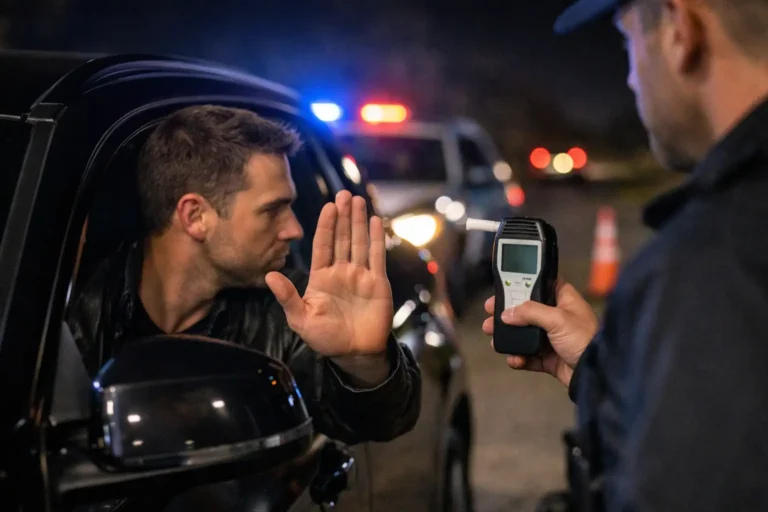
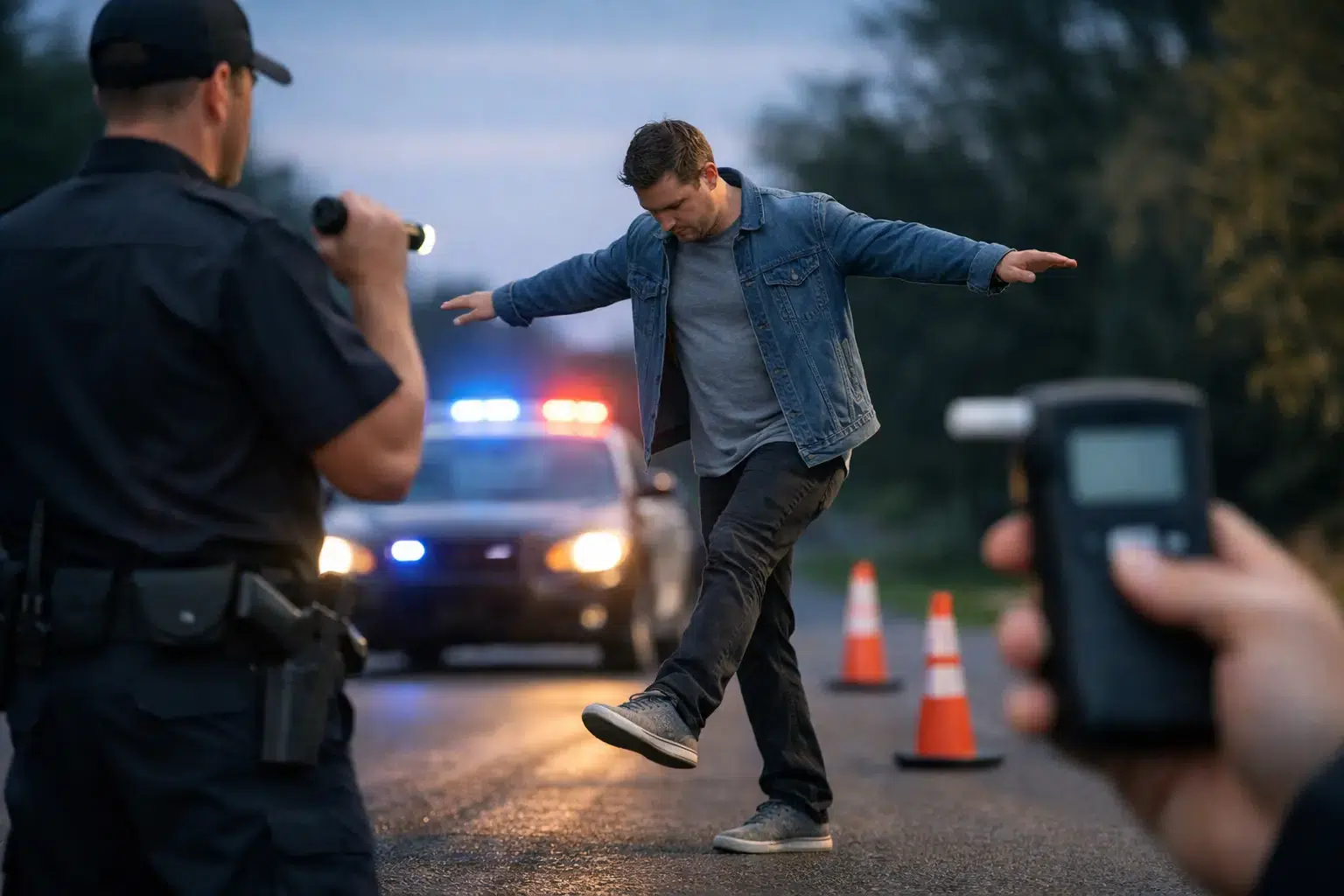
A roadside DUI stop can turn on a few minutes of observation: an officer asking you to follow a pen with your eyes, walk heel-to-toe along an imaginary line, or balance on one leg beside a busy road. Field sobriety tests accuracy matters because those observations may shape an arrest decision, an officer’s report, and the State’s theory of impairment. But a poor performance does not automatically prove a person was impaired by alcohol or drugs.
These tests are designed to identify clues associated with impairment, not to deliver a medical diagnosis. Their usefulness depends heavily on whether the tests were selected, explained, demonstrated, and scored correctly – and whether the conditions gave the driver a fair opportunity to perform them. That distinction can be central to a DUI defense.
What field sobriety tests are meant to measure
The three standardized field sobriety tests most commonly used in DUI investigations are the horizontal gaze nystagmus test, the walk-and-turn test, and the one-leg stand test. Officers are generally taught to administer and score these tests under standardized procedures developed through highway-safety research.
The horizontal gaze nystagmus, or HGN, test involves an officer moving a stimulus, often a pen or finger, across a driver’s field of vision. The officer looks for involuntary eye movements at particular points. The walk-and-turn and one-leg stand tests are divided-attention exercises. They ask a person to listen, remember instructions, follow physical directions, maintain balance, and count at the same time.
That is a demanding set of tasks, especially on the side of a road at night with traffic, flashing emergency lights, an unfamiliar officer, and the knowledge that an arrest may be coming. Nervousness alone may not explain every clue an officer observes. Still, the setting matters because standardized tests are only as reliable as the conditions in which they are given.
Field sobriety tests accuracy is not automatic
Research supporting standardized field sobriety tests is frequently summarized through accuracy rates. Those figures can sound decisive, but they are often misunderstood. They refer to how well trained officers, using specified methods and looking at test results together, may predict whether a driver is at or above a particular blood alcohol concentration in study conditions.
They do not mean that a test result proves intoxication in every individual case. They also do not establish that a person was unsafe to drive, identify the substance causing impairment, or erase alternative explanations for balance, coordination, or eye-movement issues.
The numbers depend on details: the study population, the alcohol concentration at issue, the officer’s training, and whether every part of the test followed the validated protocol. A courtroom should not treat a roadside screening tool as if it were a laboratory instrument.
The HGN test requires careful administration
HGN can be persuasive to jurors because it sounds technical. Yet it is also sensitive to procedure. The officer must position the stimulus properly, move it at an appropriate pace, check each eye, and distinguish genuine nystagmus from other eye movements. The officer should also account for potential medical conditions, eye injuries, medications, fatigue, and environmental distractions.
Video can be especially valuable here. A report may state that an officer observed multiple HGN clues, while body-camera or dash-camera footage shows an unclear testing position, poor lighting, a moving stimulus, or interruptions during the exam. The question is not simply whether the officer wrote down clues. It is whether the observations were gathered in a way that supports a reliable conclusion.
Balance tests can be affected by ordinary conditions
The walk-and-turn and one-leg stand are vulnerable to practical problems. Gravel shoulders, sloped pavement, wet ground, poor lighting, heavy boots, tight clothing, age, back pain, knee injuries, inner-ear conditions, and neurological issues can all affect a person’s performance. So can instructions that are rushed, incomplete, or confusing.
A driver may be asked to perform a balance test near passing vehicles, in rain, after working a long shift, or while dealing with an injury. Those facts do not end the analysis, but they give context to a claimed clue such as raising arms for balance, stepping off a line, or putting a foot down. A trained officer should consider whether the test location and the person’s physical condition make the exercise appropriate.
Standardized tests and improvised roadside tasks
Not every task requested at a traffic stop is a standardized field sobriety test. Officers may ask drivers to recite part of the alphabet, count backward, touch their nose, estimate time, or perform other coordination exercises. These tasks may be described in a report as signs of impairment, but they do not carry the same standardized scoring system as HGN, walk-and-turn, and one-leg stand.
That does not make them irrelevant. It does mean the State should be prepared to explain what the task was intended to measure, how it was administered, and why a particular result supports an impairment conclusion. A person who hesitates over the alphabet after being stopped by police is not necessarily demonstrating alcohol impairment.
What a DUI defense should examine
A careful DUI case review starts before the roadside tests. The reason for the initial stop, the officer’s observations of driving, the timing of the encounter, statements by the driver, and the availability of video all matter. Field sobriety evidence should be reviewed as part of that full sequence, not in isolation.
For the tests themselves, a defense attorney may examine whether the officer had current training, followed standardized instructions, gave a proper demonstration, used an appropriate surface, and accurately recorded the results. It may also matter whether the driver disclosed a medical issue, wore unsuitable footwear, or showed a condition inconsistent with the officer’s conclusion.
The evidence should also be compared across sources. Police reports are written after the event and may use familiar language or abbreviated descriptions. Body-camera video, dash-camera footage, dispatch records, and booking video can provide a more complete view. If a report says a driver could not maintain balance but video shows only a minor misstep on uneven pavement, that difference deserves attention.
In cases involving suspected drug impairment, the analysis can become even more complicated. The three standardized tests were developed primarily in the context of alcohol impairment. Certain drugs, medical conditions, and fatigue can produce overlapping signs, while some substances may not create the same observations an officer expects. A conclusion of drug impairment should rest on more than generalized roadside impressions.
Why early case review matters in South Carolina
DUI cases move quickly. Evidence can be overwritten, memories can fade, and administrative license issues may involve separate deadlines from the criminal charge. Waiting until a court date is close can make it harder to preserve the details that explain why a roadside test was unreliable.
For someone arrested in York County, Rock Hill, Fort Mill, or elsewhere in South Carolina, the immediate concern may be getting home, protecting a license, and figuring out what the charge means for work and family. Those are real concerns. The next step should be a clear review of the stop, the testing, any breath or blood evidence, and the procedural deadlines that apply to the case.
Carolina Criminal Defense approaches DUI allegations with that practical focus: identify what happened, preserve what can be preserved, and test the State’s evidence before assumptions harden into conclusions.
A roadside test may be one piece of evidence, but it is never the whole person or necessarily the whole case. If field sobriety tests played a role in an arrest, getting the video, reports, and testing details reviewed early can replace uncertainty with a concrete plan.