
How to Respond to a Warrant in South Carolina
A warrant can turn an ordinary day into a crisis. You may learn about it from an officer at your door, a traffic stop, a call from a family member, or a notice that you missed court. Knowing how to respond to a warrant means slowing the situation down, avoiding costly statements or decisions, and taking a deliberate step toward resolving it.
In South Carolina, warrants can arise from an alleged crime, a missed court date, an alleged probation violation, or a failure to comply with a court order. The right response depends on the kind of warrant, the charge, the county involved, and whether law enforcement is actively seeking you. The goal is not to guess. It is to get clear information and make a plan that protects your rights, your freedom, and your future.
First, Find Out What Kind of Warrant Exists
People often use the word “warrant” to mean several different things. That distinction matters because the next step can be very different.
An arrest warrant generally means a judge has found probable cause to believe a person committed an offense. It may involve anything from a traffic-related charge or misdemeanor to a felony accusation. A bench warrant is often issued when someone fails to appear in court or fails to follow a court directive. A probation-related warrant can involve an alleged violation of supervision conditions.
You may also hear officers mention a search warrant. A search warrant authorizes officers to search a particular place or seize specified property. It does not automatically mean you have been charged, but it can signal an active investigation with serious consequences.
Do not rely solely on rumors, social media posts, or a vague message that “there is a warrant.” Incorrect information can lead to unnecessary panic or a poor decision. A criminal defense attorney can help confirm what court issued the warrant, identify the accusation, determine whether bond may be available, and explain what typically happens next.
Do Not Run, Hide, or Try to Talk Your Way Out of It
The pressure to avoid an arrest is understandable. But hiding from a warrant can create additional problems. It may lead to an unexpected arrest at home, at work, or during a routine traffic stop. It can also affect how a judge views bond or compliance later in the case.
Trying to explain the facts to law enforcement without legal advice can be just as risky. Officers may ask questions that seem informal: where you were, who you were with, why an event happened, or whether you knew someone involved. Those answers can become evidence. You do not need to lie, argue, or make the encounter harder. You do need to protect your right to remain silent.
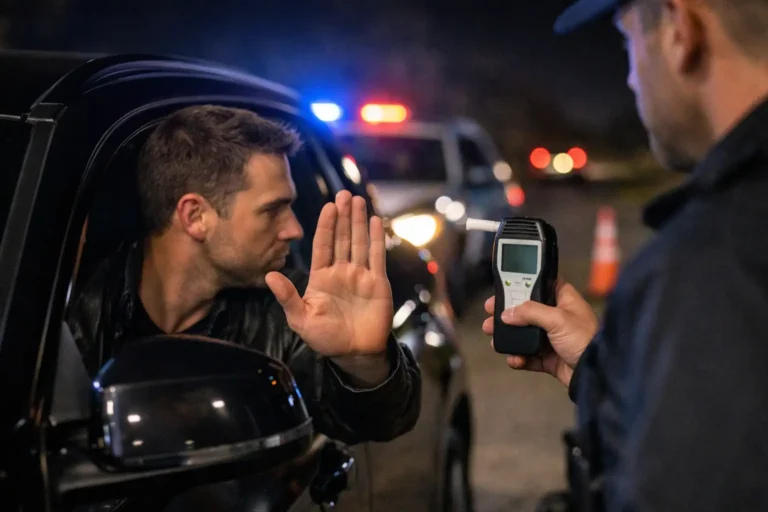
If an officer contacts you, stay calm. Provide identifying information when required, but do not discuss the allegations. State clearly that you want to speak with an attorney. Do not consent to a search simply because an officer asks, and do not physically resist an arrest or search. Legal challenges are handled through the court process, not in a confrontation on the roadside or at your front door.
Speak With a Criminal Defense Lawyer Before Surrendering
For many people, the most practical way to respond to a warrant is to arrange a voluntary surrender after speaking with counsel. This is not possible in every situation, especially if officers are already present or the warrant requires immediate action. But when there is time to prepare, early legal guidance can make a meaningful difference.
An attorney can contact the appropriate court, clerk, prosecutor, or law enforcement agency to verify the warrant and learn the procedure. In York County and surrounding South Carolina courts, local practices can affect where a person reports, whether a bond hearing is likely, and what documents or information may be useful. A lawyer can also advise you on what to expect during booking, whether family should be prepared to post bond, and whether there are related court dates or license issues to address.
Preparation is not about avoiding accountability. It is about entering a serious legal process with a plan instead of being caught off guard. Carolina Criminal Defense approaches early case assessment with that purpose in mind: identify the immediate risk, preserve options, and begin protecting the client’s position from day one.
What to Have Ready for Your Lawyer
Bring or save any paperwork connected to the matter, including tickets, bond documents, court notices, police paperwork, and messages from an officer or court employee. Write down what you know about the allegation, but do not send detailed facts through public posts or discuss them with friends, coworkers, or potential witnesses.
It also helps to identify practical concerns early. For example, a parent may need a plan for child care if booking takes longer than expected. A worker may need to notify an employer without sharing unnecessary details. Someone facing a DUI-related warrant may have separate concerns about a driver’s license or transportation. These are not side issues. They are part of protecting the life consequences of a criminal case.
If Officers Are at Your Door or Detain You
When officers are already at your home or have stopped you, the situation moves faster. Keep your hands visible, remain respectful, and do not make sudden movements. Ask whether you are free to leave. If the answer is no, or if you are placed under arrest, say that you wish to remain silent and want an attorney.
You can ask to see a warrant, but do not interfere if officers say they have authority to enter or search. Do not destroy, move, or hide property. Do not contact anyone involved in the alleged incident to coordinate stories or ask them to change what they say. Those choices can create separate legal exposure and make defense work more difficult.
After an arrest, officers may attempt to question you during transport, booking, or while you wait in a holding area. The setting may feel casual, but your words still matter. The safest approach is consistent: do not discuss the facts and request counsel.
Understand Bond and the First Court Steps
A warrant does not always mean someone will remain in jail for a long period, but bond is never something to assume. The court may set a bond amount, impose conditions, deny bond temporarily, or schedule a hearing before making a decision. The charge, criminal history, alleged facts, prior failures to appear, and public-safety concerns can all affect the outcome.
Bond conditions may restrict contact with certain people, require no alcohol or drug use, prohibit weapons possession, require electronic monitoring, or limit travel. Read every condition carefully. A bond violation can result in rearrest and can make the original case harder to manage.
The first appearance is usually not the moment to prove innocence or tell the full story. It is an early procedural step. Still, it can shape the course of the case by establishing bond, deadlines, and restrictions. A defense lawyer can begin examining whether the warrant was supported, whether officers followed proper procedures, what evidence may exist, and what defense strategy fits the actual facts.
Do Not Treat a Missed Court Date as a Minor Problem
If the warrant resulted from missing court, act quickly. People miss court for real reasons: a notice went to an old address, work demands became overwhelming, transportation failed, or a family emergency took over. But the court may not know that explanation unless it is presented correctly.
Call a criminal defense lawyer promptly rather than assuming you can fix the issue with a quick phone call. In some situations, counsel may be able to determine whether the warrant can be addressed through a motion, a new court date, or an organized surrender. In others, you may need to appear or be booked before the matter can move forward. The answer depends on the court and the circumstances.
Once a new date is set, treat it as nonnegotiable. Put it on multiple calendars, arrange transportation, and address conflicts early. Failure to appear can compound a manageable case into a more difficult one.
Protect Your Case Outside the Courthouse
A warrant can make people feel as though they need to defend themselves publicly. Resist that instinct. Do not post about the accusation, the officers involved, the alleged victim, or the court process. Do not delete social media content after learning of an investigation or warrant. Preservation issues can become significant, and online activity is often easier for others to find than people expect.
You should also avoid contacting an alleged victim, witness, or co-defendant unless your attorney specifically advises otherwise. Even a well-intended apology, explanation, or request to talk can be misunderstood or violate a bond condition.
Instead, keep records that may matter. Save relevant messages, receipts, photographs, location information, and names of possible witnesses. Your lawyer can help determine what is useful and how to preserve it responsibly.
A warrant is serious, but it is not a reason to surrender your judgment. Take the next step calmly, get reliable legal advice, and respond in a way that gives your defense room to work.