What Is Implied Consent in South Carolina?
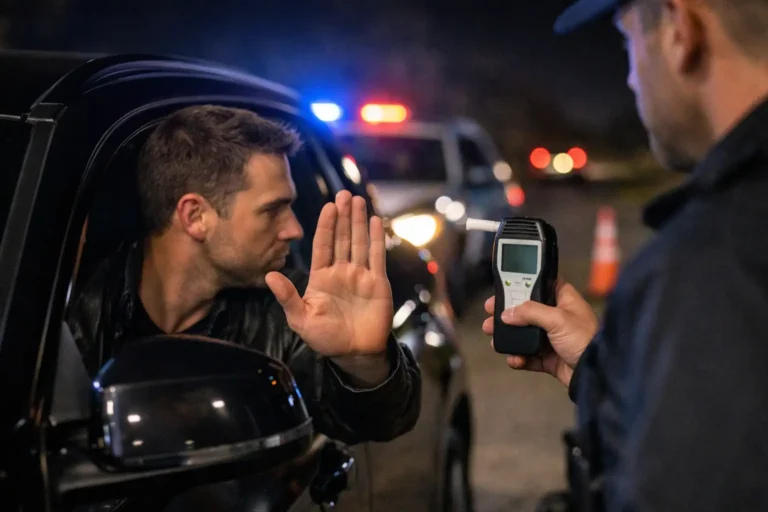
A DUI stop can turn into a much more serious problem the moment an officer asks for a breath, blood, or urine sample. If you are asking, “what is implied consent,” the short answer is that South Carolina treats the act of driving as an agreement to submit to certain chemical testing after a DUI arrest. But that does not mean every test is lawful, every refusal has the same consequence, or every DUI case is proven.
The details matter immediately. A decision made roadside, at the jail, or in a breath-testing room can affect both your driver’s license and the criminal charge. Understanding the rule helps you see what is at stake. Reviewing the facts with a defense lawyer helps determine what can actually be challenged.
What Is Implied Consent Under South Carolina Law?
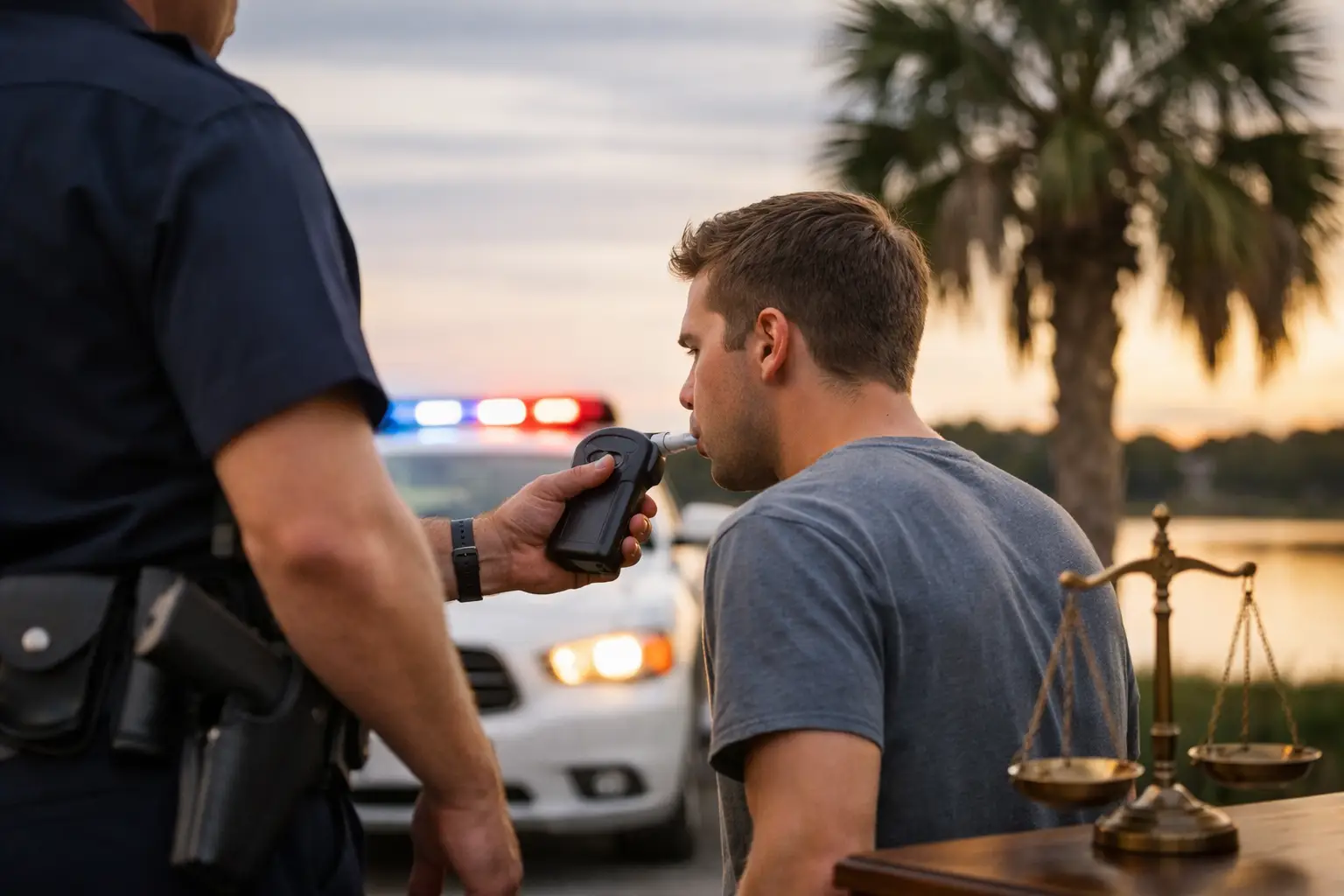
South Carolina’s implied consent law applies to a person who drives a motor vehicle in the state. In general, the law says that a driver who is arrested for driving under the influence is considered to have consented to chemical testing of breath, blood, or urine to determine the presence of alcohol, drugs, or both.
This is not the same thing as saying an officer can test anyone at any time. The legal foundation for a test matters. Among other issues, the case may turn on whether there was a valid stop, whether the officer had reasonable grounds to investigate impairment, whether an arrest occurred before the test request, and whether the required implied consent advisement was properly given.
For most alcohol-related DUI arrests, the breath test receives the most attention. A reported breath alcohol result can become a central piece of the prosecution’s evidence. In cases involving suspected drug impairment, an officer may request a blood or urine sample instead. Each form of testing creates different legal and factual questions.
Implied Consent Does Not Mean You Have No Choices
The phrase “implied consent” can sound like your rights disappear once you get behind the wheel. They do not. It means that refusing a properly requested test can trigger consequences under South Carolina’s driver’s license laws.
An officer should advise a driver of the consequences of refusing the test and of certain rights connected to the testing process. The wording, timing, video evidence, and surrounding circumstances can all matter later. If the warning was incomplete, unclear, or not properly delivered, that may be important to the license suspension process and potentially to the criminal case.
You may still refuse a breath, blood, or urine test. But refusal is a decision with real risk, not a way to make the arrest disappear. In South Carolina, a refusal can lead to an immediate suspension of your driving privilege, separate from what eventually happens with the DUI charge. The prosecution may also seek to use the refusal as evidence at trial, arguing that it shows consciousness of guilt. A defense attorney can challenge that argument and the circumstances behind the refusal, but it should never be treated casually.
There is also a practical distinction between refusing and being unable to provide a sample. Medical conditions, injury, anxiety, equipment issues, and the way a test was administered may all be relevant. A reported refusal is not always as straightforward as the officer’s paperwork makes it appear.
What Happens if You Refuse a DUI Test?
For a first alleged implied consent refusal, South Carolina generally imposes a six-month driver’s license suspension. Longer suspension periods may apply to later refusals. These administrative penalties can begin quickly, which is why waiting to see what happens in court can be a costly mistake.
The driver may have a limited window to request an administrative hearing to challenge the suspension. That hearing is separate from the criminal DUI prosecution. It is not simply a second trial, and winning one matter does not automatically resolve the other. Still, the hearing can be an important opportunity to examine whether the legal requirements for suspension were met.
The time limit is one reason early action matters. A person may be focused on bond, work, family, or the embarrassment of an arrest and overlook the paperwork related to the license. Then the deadline passes. For someone who needs to drive to work, take children to school, or meet family obligations, the license issue can become just as disruptive as the charge itself.
Depending on the circumstances, a driver may be eligible for a temporary alcohol restricted license while the suspension matter is pending. Eligibility and restrictions depend on the facts of the case. Do not assume you are allowed to drive simply because you have not had a court date yet.
A Breath Test Result Is Not the Whole DUI Case
Submitting to a breath test can produce a number, but a number is not the end of the analysis. The defense should examine how that result was obtained and whether it can be trusted.
Breath-testing cases may involve questions about the traffic stop, the arrest decision, the observation period before testing, the machine’s operation, the officer’s training, test records, video footage, and whether the state can satisfy its evidentiary requirements. The timing of the test also matters. A chemical result taken later does not automatically establish a person’s alcohol level at the exact time they were driving.
The same principle applies in blood and urine cases. A laboratory report may look definitive on paper, but chain of custody, collection procedures, testing methods, prescription medications, and the difference between the presence of a substance and actual impairment can all require close review.
A person can have a breath result and still have defenses. A person can refuse a test and still have defenses. The strongest strategy depends on the evidence, not on a single fact that sounds damaging at the time of arrest.
Can Police Force a Blood Draw?
Implied consent does not give law enforcement unlimited authority to force a blood draw simply because someone was arrested for DUI. Blood testing raises significant privacy and constitutional concerns. Whether police can obtain a blood sample after a refusal may depend on the circumstances, including whether they obtained a warrant or whether a legally recognized exception applies.
This area can become especially important in cases involving accidents, serious injuries, or allegations of drug impairment. The exact sequence of events matters: what officers observed, what was requested, what the driver said or did, whether a warrant was sought, and how the sample was collected.
If blood was drawn in your case, preserve every document and piece of video evidence connected to that decision. The same is true if an officer claimed you refused. Those details may be difficult to reconstruct months later, but they can be central to the defense.
The DUI Charge and License Suspension Move on Different Tracks
One of the most frustrating parts of an implied consent case is that the criminal court case and the license suspension process can move separately. You may have a court date months away while facing an immediate driving problem. You may also resolve one issue without automatically resolving the other.
That is why a defense plan should address both tracks from the beginning. It should identify deadlines, preserve video and testing records, evaluate the legality of the stop and arrest, and prepare for the administrative hearing as well as the DUI case. In York County and across South Carolina, local procedures can affect scheduling and how quickly evidence becomes available, but the need to act promptly remains the same.
What to Do After an Implied Consent Arrest
Keep every piece of paperwork you received, including the officer’s notice, bond documents, and any temporary license materials. Write down what you remember while it is fresh: why you were stopped, what field tests you performed, when you were arrested, what the officer said about testing, and whether you saw or heard a video recording.
Do not discuss the facts of the stop on social media or try to explain the case away to coworkers, friends, or the arresting officer. Statements made after the fact can create new problems without improving your position.
Then speak with a criminal defense attorney quickly enough to protect any administrative hearing deadline. Carolina Criminal Defense approaches DUI cases with the understanding that a license suspension, a criminal record, and uncertainty at home or work are not side issues. They are part of what must be protected from day one.
The decision to test or refuse may already be behind you, but your next decision is still in front of you. Get clear advice early, preserve the evidence, and make sure your future is not decided by a form, a deadline, or an unchallenged assumption.