
South Carolina DUI Enforcement Trends to Watch
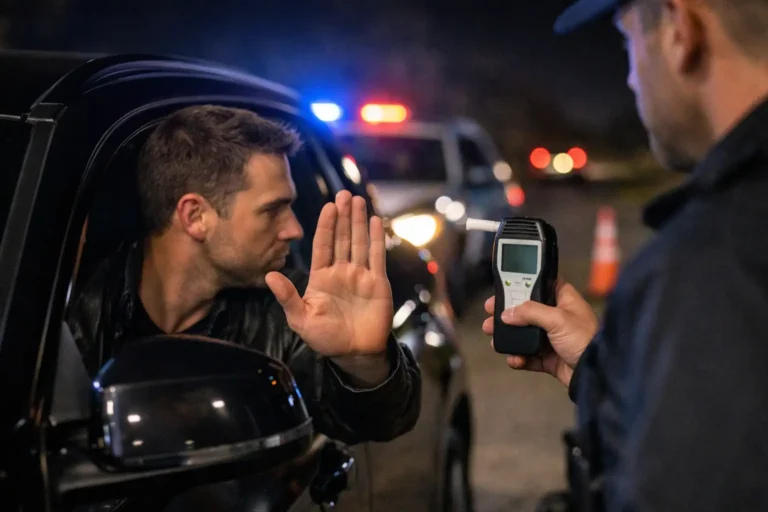
A DUI arrest often begins in a matter of minutes: a traffic stop, questions at the window, roadside exercises, a breath request, and a trip to jail or a roadside bond process. But the consequences can continue long after that night. South Carolina DUI enforcement trends show why people facing an allegation need to pay close attention to the details from the very beginning, including how the stop occurred, what testing was requested, and what deadlines are already running.
Enforcement is not the same everywhere, and no two DUI cases are identical. A stop in Rock Hill, Fort Mill, rural York County, or another part of the state may involve different agencies, equipment, officer practices, and court schedules. Still, several patterns continue to shape how DUI cases are investigated and prosecuted across South Carolina.
South Carolina DUI Enforcement Trends: More Focus on the Stop
DUI enforcement does not start with a breath sample. It starts with the officer’s reason for stopping a vehicle. Officers may point to speeding, lane movement, a broken light, failure to signal, an expired tag, or a driving pattern they characterize as unusual. Some stops arise from checkpoints or collision investigations.
That early stage matters because the state must be able to explain why law enforcement initiated the encounter. Video from a dash camera or body camera can be especially useful here. It may show whether the claimed driving behavior occurred, how traffic conditions looked, and whether the officer’s account matches what the recording actually shows.
A minor traffic violation can lawfully lead to a stop, but it does not automatically prove impairment. Defense preparation should separate those two questions. The first is whether the stop was justified. The second is whether the evidence developed after the stop reliably supports a DUI charge.
Roadside Tests Are Under Closer Scrutiny
Field sobriety exercises remain a common part of DUI investigations. Officers may use the horizontal gaze nystagmus test, walk-and-turn, and one-leg stand as indicators of impairment. These tests can be useful investigative tools, but they are not foolproof measures of whether someone was driving under the influence.
Conditions often affect performance. Uneven pavement, poor lighting, traffic noise, weather, footwear, injuries, fatigue, age, medical conditions, and anxiety can all matter. Instructions matter as well. A video may reveal whether an officer gave clear directions, demonstrated the exercise correctly, or recorded supposed clues consistently with the training standards used to administer the test.
This is one reason a DUI case should not be evaluated from the arrest report alone. Reports are written summaries. Video, dispatch records, test materials, and witness accounts can provide a fuller and sometimes different picture.
Checkpoints Require Procedure, Not Just Suspicion
Sobriety checkpoints remain part of DUI enforcement, particularly around holidays, major events, and periods when agencies anticipate increased travel. Checkpoints are not a blank check for arbitrary enforcement. Their operation must follow constitutional and procedural requirements, including how vehicles are selected and how the checkpoint is supervised.
The practical point is simple: a checkpoint arrest still deserves a careful review. The fact that a driver entered a checkpoint does not eliminate legal questions about the stop, the detention, or the evidence gathered afterward.
Chemical Testing and Implied Consent Remain Central
For many drivers, the most immediate consequence after a DUI arrest is not the criminal court date. It is the risk to their license. South Carolina’s implied-consent process can trigger an administrative license suspension when a driver refuses a requested breath test or when the reported alcohol concentration reaches the statutory threshold.
That process is separate from the criminal DUI charge. A person may have a license-suspension issue even while the DUI case remains unresolved, and the deadlines to challenge the suspension can come quickly. Waiting to see what happens in criminal court can mean missing an opportunity to address the driving privilege issue.
Breath testing is also a frequent area of dispute. The result on a printout is evidence, not the entire case. A serious review may examine whether the machine was maintained as required, whether the test was administered properly, whether the observation period was followed, and whether the video and paperwork line up with the state’s account.
Refusal cases have their own complications. The state may try to use a refusal as evidence, while the defense may examine whether the implied-consent advisement was properly delivered and whether the requested test was authorized under the circumstances. There is no one-size-fits-all answer. The facts, recordings, and timing matter.
Drug-Related DUI Investigations Are Increasingly Important
DUI allegations are not limited to alcohol. South Carolina officers also investigate suspected impairment involving prescription medication, marijuana, illicit drugs, or combinations of substances. These cases can be more complicated than alcohol cases because there is no breath-test equivalent that directly measures driving impairment for every drug.
A toxicology result may show that a substance was present, but presence and impairment are not the same thing. Some medications remain detectable after their impairing effects have passed. A lawful prescription does not automatically resolve the case, but neither does it automatically establish that a person was impaired while driving.
Drug-related DUI enforcement often depends heavily on officer observations: speech, pupils, balance, behavior, driving, and statements. That makes objective evidence particularly valuable. Video, dispatch timelines, medical information, and the actual laboratory records may all deserve review before anyone assumes the state’s theory is complete.
Why Video and Digital Evidence Matter More Than Ever
Many modern DUI cases generate a significant digital trail. There may be dash-camera footage, body-camera footage, in-car audio, jail video, breath-room video, 911 calls, CAD dispatch logs, and records from the testing instrument. In a collision case, there may also be photographs, vehicle data, witness statements, and reconstruction evidence.
This can help either side. Clear footage of dangerous driving and poor test performance may strengthen the prosecution’s position. On the other hand, footage can contradict an officer’s description, show calm and coherent behavior, reveal unclear instructions, or capture a medical or environmental explanation for what looked suspicious on paper.
The trade-off is that video is not self-explanatory. A short clip can be misleading without context, and recordings do not always capture every relevant moment. The right question is not whether video exists. It is whether the evidence, viewed carefully and in full, supports the allegation being made.
Enforcement Is Local, but the Stakes Are Personal
Court practices, prosecutor screening, officer availability, and hearing schedules can vary by county. Someone charged in York County may face different practical timing issues than someone charged in Lancaster, Chester, or Cherokee County. That local knowledge can affect how quickly evidence needs to be preserved, when hearings are set, and what preparation should begin immediately.
The personal consequences are often more urgent than the courtroom language suggests. A DUI accusation can create pressure around driving to work, maintaining a professional license, caring for children, traveling for a job, and protecting a reputation. First-time defendants frequently assume the matter will sort itself out if they have no prior record. That is not a strategy.
Early action does not guarantee a particular result. It does, however, give counsel a better opportunity to identify deadlines, preserve recordings, assess the license issue, and build a defense based on facts rather than assumptions.
What to Do After a South Carolina DUI Arrest
After release, keep every document you received, including the ticket, bond paperwork, notice of suspension, and any temporary license material. Write down what you remember while the details are fresh: where you were stopped, what the officer said, whether you performed roadside exercises, who was present, and what testing was requested.
Do not discuss the facts casually by text, social media, or with people who do not need to know. Do not ignore a notice related to your license simply because your first criminal court date is weeks away. Most importantly, get a prompt case assessment from a criminal defense lawyer who can explain the criminal charge and the administrative consequences in plain English.
Carolina Criminal Defense approaches DUI cases with the understanding that the client is managing more than a charge. The goal is to take control of the process early, test the evidence carefully, and protect the future that is affected by every decision made after an arrest.
A DUI case may feel settled the moment handcuffs come out, but that is only the start of the legal process. The details that seem small on the roadside can become the details that matter most later.