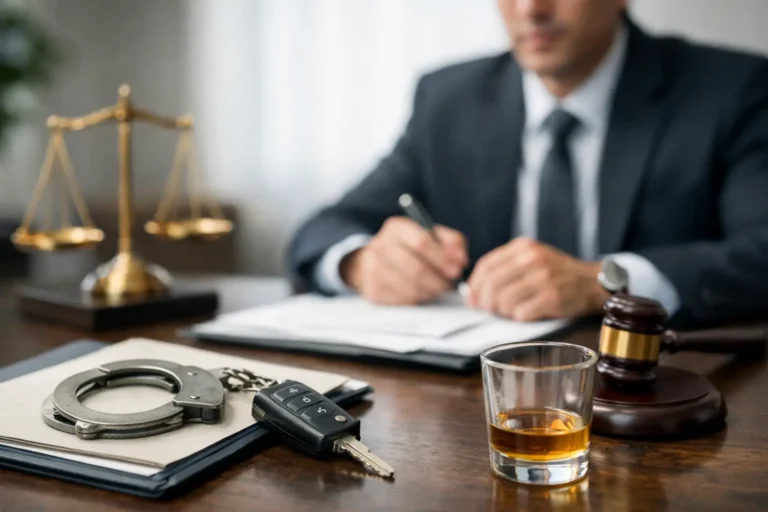

What Happens After a DUI Arrest in South Carolina?
A DUI arrest can turn a routine drive home into a night of questions you were not prepared to answer. Your car may be towed, your license may be at risk before you ever see a judge, and you may be released with paperwork you do not fully understand. Knowing what happens after DUI arrest in South Carolina helps you act before deadlines and assumptions start working against you.
This is not a single process. A South Carolina DUI case usually moves on two tracks at once: the criminal charge in court and the administrative action affecting your driver’s license. What happens in one track can influence the other, but they have different procedures, deadlines, and consequences.
The first hours after the arrest
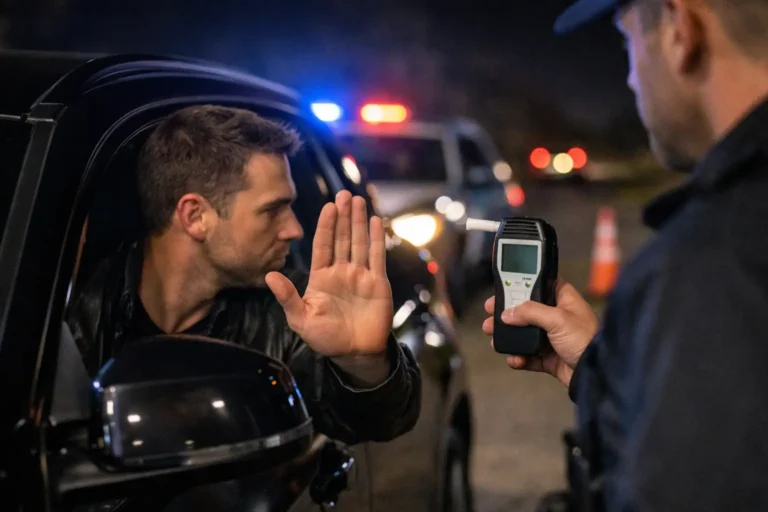
After an officer makes a DUI arrest, you may be taken to a law enforcement facility for booking. Booking commonly involves identifying information, fingerprints, photographs, an inventory of personal property, and paperwork related to the charge. Depending on the circumstances, an officer may also seek a breath sample or other chemical test.
You may spend time in custody until bond is set or posted. For many misdemeanor DUI charges, release can happen relatively quickly, but the timing depends on the court, the bond process, your record, the allegations, and whether there are additional charges. A DUI involving an accident, injuries, a child passenger, drugs, or alleged refusal to comply can bring more complications.
Before you leave, preserve every document you receive. The ticket, bond paperwork, notice of suspension, towing information, and any property receipt can all matter later. Write down what you remember while the details are fresh: where you drove, what the officer said, when you were stopped, whether field sobriety tests were given, and what occurred during the breath-testing process.
Your license may be on a separate clock
For many people, the most immediate consequence is not the court date. It is the risk of losing the ability to drive to work, school, medical appointments, or family obligations.
South Carolina can impose an administrative license suspension after certain DUI arrests, including cases involving an alleged test result of .15 or higher or an alleged refusal to provide a breath sample. The notice you receive is not routine paperwork to set aside. In many cases, you have only 30 days to request an administrative hearing challenging the suspension.
Missing that deadline can limit your options. Eligibility for a temporary alcohol restricted license or another form of driving privilege depends on the facts and the type of suspension. The rules are technical, and the right answer depends on your prior record, the allegation, and the paperwork issued at the time of arrest.
A license suspension hearing is different from your DUI trial. It focuses on issues such as whether the officer had a valid basis for the stop or arrest and whether required procedures were followed. It does not automatically decide the criminal case, but early review of the evidence can reveal issues that matter in both proceedings.
What happens after a DUI arrest in court
Your ticket or bond paperwork should identify a court date, although dates can change. A standard first-offense DUI is generally handled in magistrate or municipal court. More serious allegations, including felony DUI cases involving great bodily injury or death, follow a different path and may proceed in General Sessions Court.
At an early court appearance, the case may be scheduled for trial, continued, or addressed through other procedural steps. You should not expect the first court date to resolve every question. DUI cases often require time to obtain and examine the evidence, including officer reports, in-car video, body-camera footage, dispatch records, breath-test records, maintenance documents, and witness information.
A defense lawyer’s role is not simply to appear in court and ask for leniency. The work begins with testing the State’s proof. Was there a lawful reason to stop the vehicle? Did the officer properly administer roadside tests? Does the video match the report? Were breath-testing safeguards followed? Is there evidence that explains driving behavior or physical observations differently?
Every case is fact-specific. A person can have a difficult roadside encounter and still have legal issues worth investigating. Conversely, a case may involve evidence that requires a practical decision about risk, driving privileges, work obligations, and the possible benefits of negotiation or trial.
Conditions of bond still matter
Being released from jail does not mean the case is on pause. Your bond conditions may require you to attend court, maintain contact information, avoid alcohol or drugs, refrain from driving without a valid license, or comply with other restrictions. Violating a bond condition can create a separate problem and may put your release at risk.
Take the driving restriction seriously. Driving while your license is suspended can lead to another charge and can make an already stressful case harder to manage. If you need to drive for work or family responsibilities, address the license issue promptly rather than relying on assumptions about what your paperwork permits.
The DUI investigation does not end at arrest
The officer’s arrest decision is not the end of the evidence. It is the beginning of the defense review. Video can show lighting, traffic conditions, instructions given during field sobriety tests, and whether a person’s movements were consistent with the written report. Dispatch recordings can clarify why an officer was sent to the scene. Breath-test materials can raise questions about timing, procedure, or machine records.
Witnesses matter as well. A passenger, bartender, friend, roadside witness, or person who saw you before the stop may have information that is not captured in the officer’s report. Memories fade quickly, which is one reason early action matters.
Do not try to fix the case yourself by contacting the officer, prosecutor, witnesses, or alleged victims. Statements made after an arrest can be misunderstood, repeated, or used against you. A clear defense strategy starts with gathering information, not creating new evidence for the State.
How a DUI can affect work, family, and your record
A DUI charge is an accusation, not a conviction. Still, the immediate disruption can be real. You may need to explain an absence from work, arrange transportation, manage insurance questions, or plan around child-care responsibilities. Certain jobs involving commercial driving, professional licensing, security clearances, or company vehicles can require fast, careful attention.
For a first offense, people often focus only on fines or jail exposure. That is understandable, but the long-term consequences can extend further. A conviction can affect driving privileges, insurance costs, employment opportunities, background checks, and professional credentials. Repeat allegations or cases involving aggravating facts can carry more serious penalties.
That does not mean every DUI case ends the same way. The strength of the evidence, the legal issues, your history, the court involved, and the goals you need to protect all shape the path forward. Good legal advice should be direct about both risk and available options.
What to do in the days after an arrest
Start by reading every document and confirming the deadline for any license-related action. Save your paperwork in one place, along with tow-yard records, receipts, photographs, and relevant messages. If your vehicle contains personal property, retrieve it through the proper process before storage costs increase.
Avoid discussing the facts on social media, in text threads, or with people who were not involved. A post meant to reassure friends can become evidence stripped of its context. You should also avoid driving until you know your legal status and any restrictions that apply.
Then get a prompt case assessment from a South Carolina DUI defense attorney. Bring the documents you received, explain what happened without trying to guess what matters, and be honest about any prior driving or criminal history. At Carolina Criminal Defense, the goal is to assess the immediate deadlines, preserve the evidence, and build a strategy around the life consequences you are trying to prevent.
The most useful next step is usually the simplest one: do not wait for the court date to start taking the case seriously. The early days after a DUI arrest are when license deadlines, video evidence, and the details of the stop are most likely to shape what comes next.